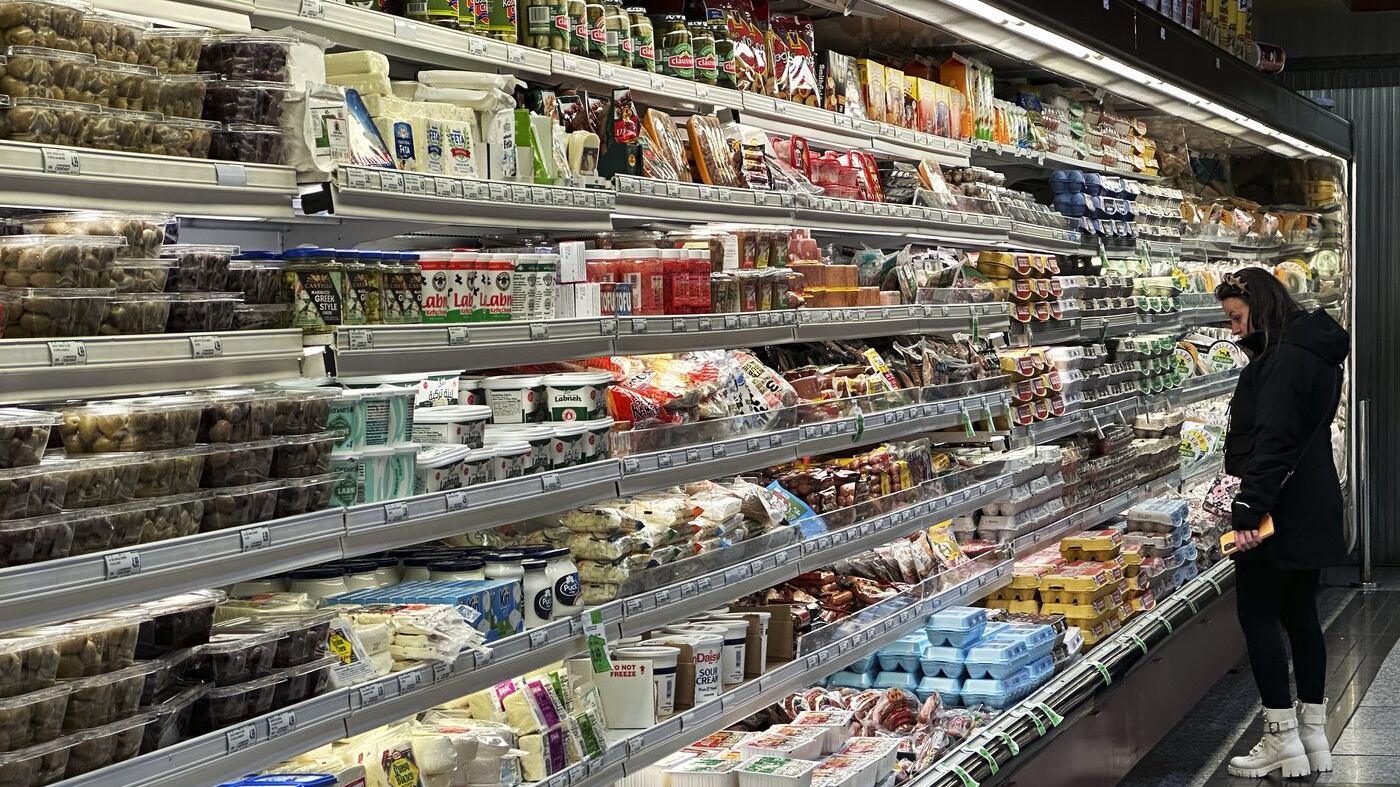
New data from Statistics Canada shows that rising food prices is a key factor in driving inflation higher. The federal agency revealed that consumers paid 4% more year-over-year for food purchased from stores in September, following a 3.5% increase in August.
“I think a lot of it is what I would classify as commodity-based versus package-based. And when you look at the perimeter of the grocery store, you’re seeing vegetables go through the roof, unfortunately, along with fruits,” said Michael Graydon, CEO of Food, Health and Consumer Products Canada.
“Many reasons for that are that, you know, we’re starting to see the end of the domestic supply and moving into import supply, which traditionally has an inflationary impact.”
According to Statistics Canada, sugar and confectionery items also contributed to the faster price growth. Graydon says labour cost increases and tariffs are some of the contributing factors.
“There are no retaliatory tariffs in Canada anymore,” said Graydon. “There were, and some of those costs you’re experiencing in the current Statistics Canada count had been impacted by retaliatory tariffs that the Canadian government had put in place.”
Gabrielle Potvin, a mother of two from Calgary, says the high cost of living is making her situation tough.
“I have two kids, and I go to the grocery store and I’ll buy one bag of groceries, and it’s like $10 every time,” she said.
Finn Fangith, 21, says he’s had to use the food bank a few times to get by as rent and groceries, when he can manage it, eat up most of his paycheck.
“Feeling a bit hopeless,” he said. “I set a budget of $250, and that only gets me like a week.”
The report also shows that year-over-year grocery price inflation has generally increased since its most recent low in April 2024, driven by fresh or frozen beef and coffee.
Mike Von Massow, a food economist with the University of Guelph, says supply shortages for both commodities and high demand are driving up their prices.
“It’s predominantly a sort of hangover from the extreme weather we had in the prairies and in the central plains of the U.S., where they had dry weather, which means they didn’t have enough feed to get through the winter, and they didn’t have enough grass to get through the summer. So they shrank their cow herds. And it takes some time to rebuild those cow herds,” said Von Massow.
As for coffee, Von Massow says “extreme weather and climate change” have reduced the yields and increased disease risk.
Johanna Schwartz, owner of Congress Coffee in Calgary, says with the higher cost of coffee, they’ve had to slightly increase their prices but will hold steady for now.
“It’s really important that we stay accessible,” said Schwartz.
“So if that means that we have to take a bit of a bite on that for a while, we will.”

