When Steve Gaskin launched the Toronto-based business Retrokid in his garage during the COVID-19 pandemic, he put his faith in one thing: Canadian nostalgia.
The business sells exclusive, licensed merchandise from classic children’s television shows —primarily Canadian ones — including The Big Comfy Couch, Mr. Dressup, Arthur, The Berenstain Bears, The Magic School Bus, Polka Dot Door, Degrassi, Wok With Yan, Bobby’s World and Ready or Not.
“A big part of what we do is selfishly celebrate our own childhood,” Gaskin told CTVNews.ca.
“For a lot of us adults, our true self is our inner kid. Our childhoods, especially in today’s world, were the best times we had.”
In a competitive merchandise market, Gaskin said it was important to stand out by focusing on merchandise from classic Canadian children’s television shows.
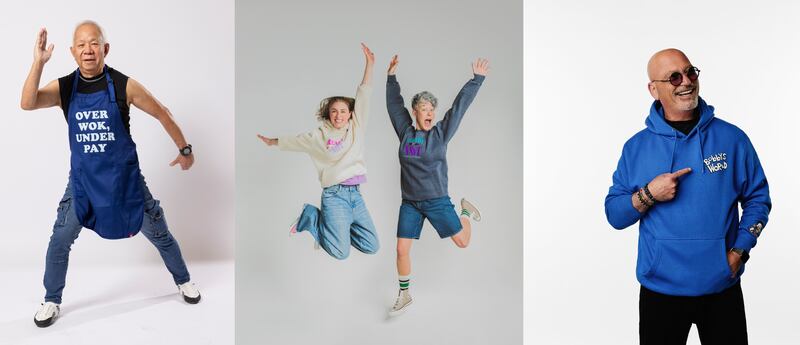
He added that when many of these shows originally aired, television merchandise wasn’t as prevalent as it is today, so to further distinguish the brand, he worked directly with the original studios and creators to produce licensed merchandise.
He also sought to involve the original actors in their marketing whenever possible.
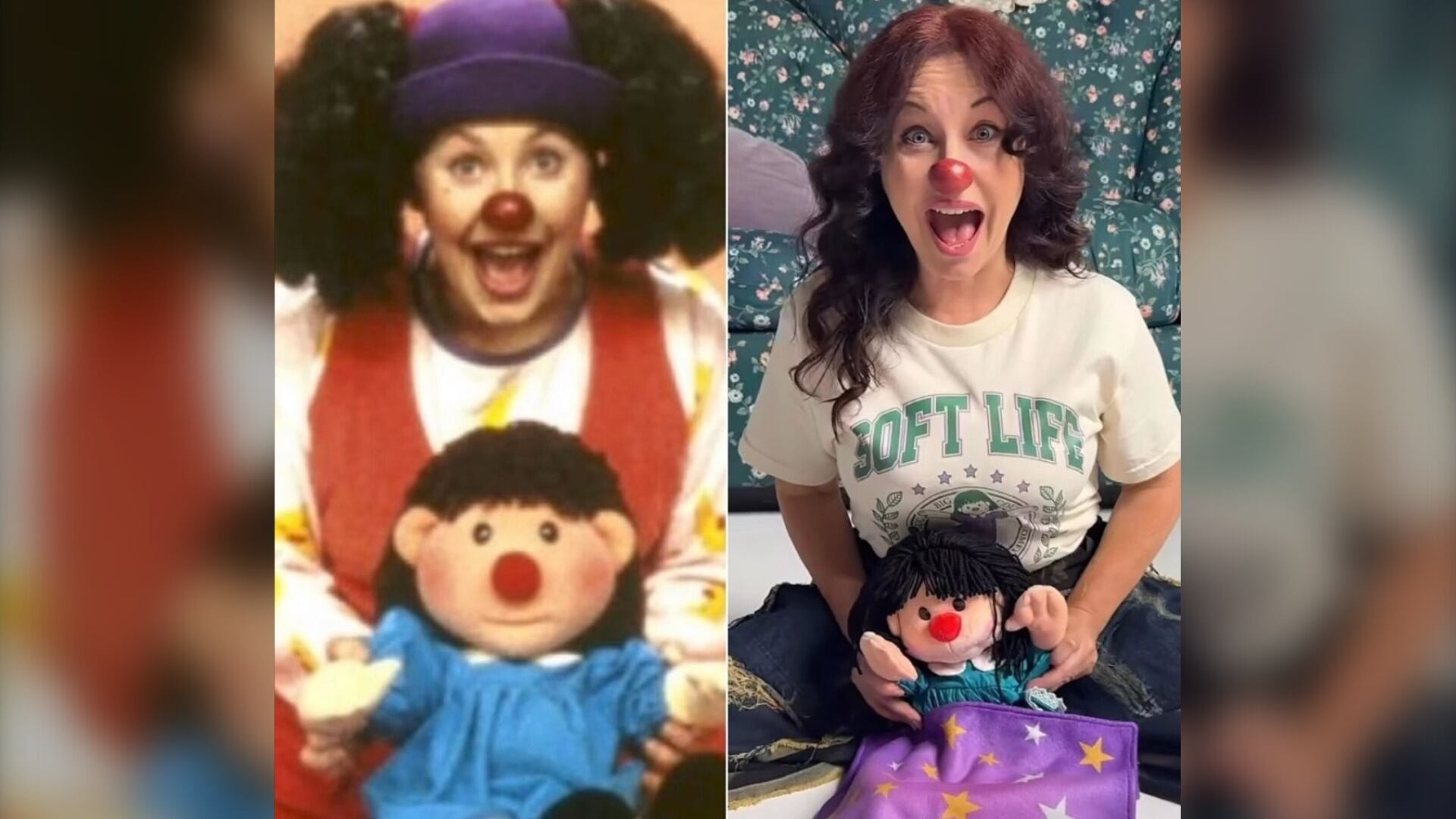
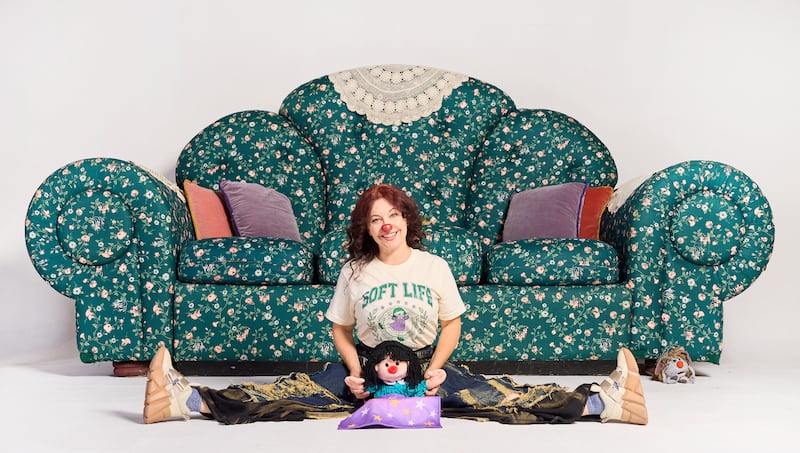
The Big Comfy Couch, which first aired in Canada in 1993, is one of Retrokid’s most successful collections. To celebrate the show’s 30th anniversary, the company recreated the Molly doll plush originally sold in the 1990s, which went on to sell more than 5,000 units.
The marketing featured Canadian actress Alyson Court, who played Loonette the Clown, along with the original Molly doll and dust bunnies from the show.
“We really dial in deep to nostalgia that other brands don’t really look at or have time for,” Gaskin said.
“There’s a reason why Disney and other bigger entertainment agencies don’t create new properties anymore, it’s because there’s so much merit and audience built into these older properties, and that’s where we want to live.”
The business of nostalgia
According to Toronto-based retail analyst Bruce Winder, businesses use nostalgia to sell products because it creates a strong emotional connection with consumers, boosting sales and brand loyalty.
In an interview with CTVNews.ca, Winder said nostalgic purchases can also offer companies strong profit margins.
Winder explained that nostalgic purchases tend to be inelastic, meaning demand remains consistent regardless of price — unlike certain grocery items, where demand increases when prices drop.
“There’s an emotional connection that can be quite lucrative if you hit it correctly,” he said.
“Anything where you can touch the consumer’s emotion is a great category to be in, because (consumers) will make room for it in their budget.”
Businesses leaning into nostalgia is nothing new — the entertainment, video game and music industries have long used nostalgia to connect with consumers of all ages through reboots and remakes of renowned media. However, Winder says the strategy is becoming increasingly popular among brands looking to boost customer engagement and sales.
In September, Tim Hortons also tapped into nostalgia by relaunching four vintage hot beverage cup designs from the 1960s, 1980s, and 2010s for a limited time.
However, Winder explains, not all nostalgia sells. It must be done correctly —with quality, authenticity and respect for the legacy consumers remember.
Canadian retailer Zellers attempted a revival a decade after most of its closures with pop-up locations inside Hudson’s Bay stores across Canada in 2023. A Zellers store is scheduled to open on Oct. 30 at Londonderry Mall in Edmonton.
Despite the company’s attempt to revive a classic Canadian department store, it has fallen short of living up to its legacy, Winder says.
“Zellers didn’t offer the same footprint that they did when they existed,” he said.
“It was a much smaller sort of version of it (…). It didn’t have the food – a lot of people were looking for the restaurant, and it wasn’t there, and the merchandise was totally different, so a lot of people explored it, they went to see it once, but they never came back."
‘You’ve healed my inner child’
Gaskin says nostalgia is resonating with Retrokid customers.
“We’ve received so many emails, direct messages and videos of people crying (when they got their Molly doll),” he said.
“People say, ‘you’ve healed my inner child,’ and in today’s world, it’s a little bit chaotic, so to just be able to give back 10 seconds of healing to somebody that’s just looking for something that they had when they were a kid, that’s what really fuels us.”

