Rising prices are forcing many Canadian parents to rethink holiday spending this year, and a new study suggests a growing number are turning to grandparents for help buying gifts.
A recent Interac survey found three-quarters of parents say creating a magical holiday season for their children is their top priority, even as many admit pulling that off is a challenge.
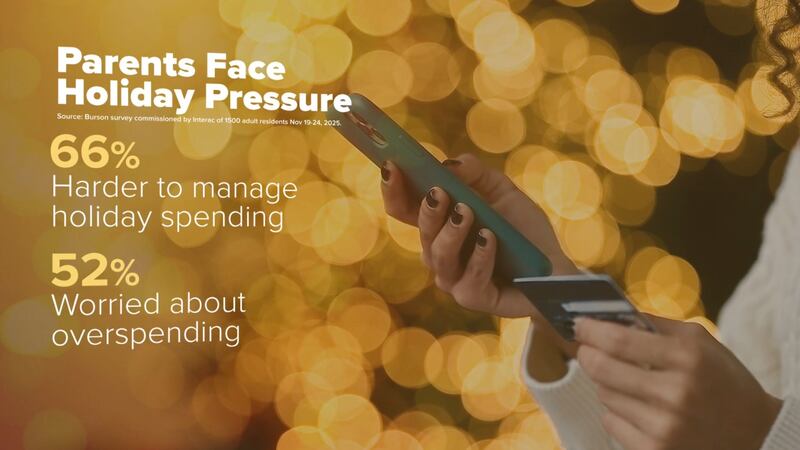
Among the 377 parents surveyed across Canada between Nov. 19 and 24, 66 per cent said higher costs are making it harder to manage holiday spending, while more than half (52 per cent) are worried about overspending.
Some shoppers, huddled under umbrellas on a rainy Wednesday in Vancouver, said they are already feeling the strain.
“Everything is expensive now, and I just work part time,” said Claudia Miranda, who is Christmas shopping for her five-year-old son. “He wants a pair of 3D glasses … if I buy them, it’s around $400.”
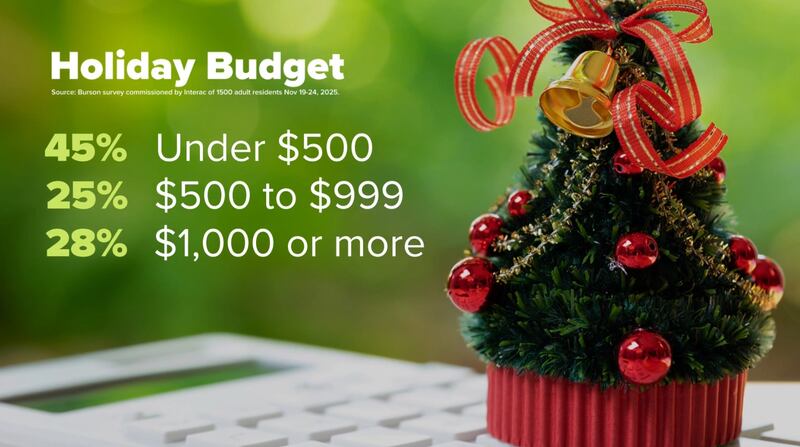
Nearly half of parents surveyed (45 per cent) said they plan to spend less than $500 on gifts this holiday season. One-quarter are budgeting between $500 and $999, while nearly to three in 10 (28 per cent) expect to spend more than $1,000.
When asked about his budget, Vancouver shopper David Newbury summed it up in one word: “threadbare.”
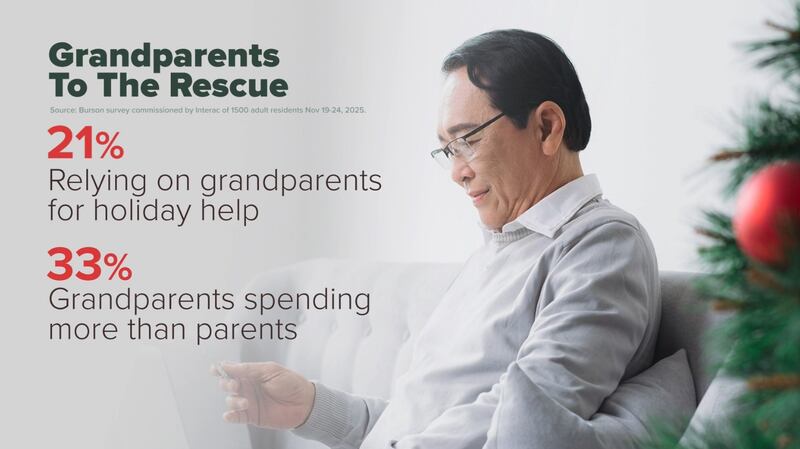
With costs rising, some families are calling in reinforcements. The survey found more than one-in-five parents (21 per cent) are relying on grandparents to help cover holiday expenses. One-third (33 per cent) said grandparents are spending more on gifts than the parents themselves.
“We are very fortunate. We have a lot of grandparent help,” said Megan Jones, one mom out shopping. “My son wants a trip, so my grandparents are contributing money towards the trip.”
For Jones and many parents, the financial strain is piled on top of an already bulging holiday calendar.
“All the activities and the concerts, potlucks, field trips, it just goes on and on,” she laughed.
The financial impact often lingers well beyond the holidays. Forty per cent of parents surveyed said they put themselves in a financial hole each holiday season, with nearly half (44 per cent) saying it typically takes until the spring to recover.

