Retirees who head down South for the winter, colloquially known as snowbirds, have faced some headline-making challenges in the last year.
Requirements to get into the U.S. for more than 30 days has led to confusion and nervousness among many snowbirds. The Canadian Snowbird Association has even noted that its members have faced “inconsistent experiences” at different land border crossings.
Requisites like providing fingerprints at the border, which was implemented last April, along with an alien registration form visitors are supposed to carry, are impacting Canadian travellers.
- Are you still travelling to the U.S.? Are you a snowbird who has considered selling your property down south? CTVNews.ca wants to hear from you. Share your story by emailing us at dotcom@bellmedia.ca with your name, general location and phone number in case we want to follow up. Your comments may be used in a CTVNews.ca story.
The confusion around what’s required at the border, along with a weaker Canadian dollar and anti-Canadian sentiment expressed by U.S. President Donald Trump, has led to a 15 per cent drop amongst those who intend to head stateside this winter, according to a poll from Snowbird Advisor, an online resource for Canadians who winter outside the country.
CTV News spoke to seven of the more than 200 snowbirds, who reached out to share their thoughts on why they are or aren’t returning to the U.S. this winter season. Some didn’t want to spend their money in a country whose president disrespected Canada, while others couldn’t imagine vacationing anywhere else for the winter. Here are some of their stories.
‘We’re always feeling maybe there’s a threat’
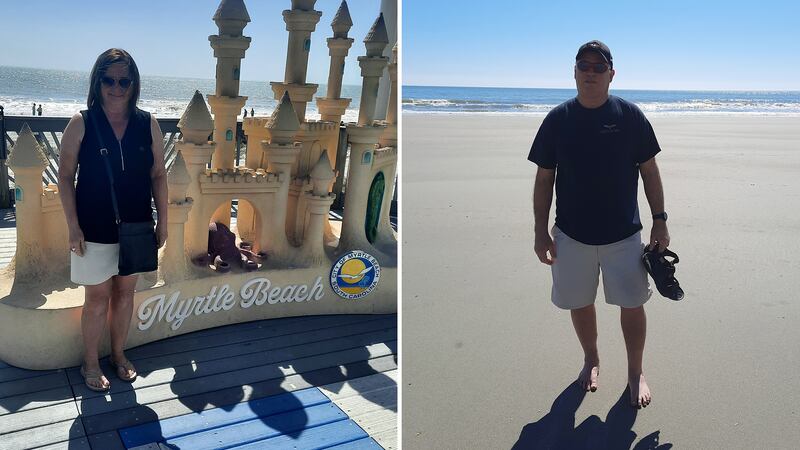
For the last eight years, Paul MacLellan and his wife Debbie, of Oshawa, Ont. have enjoyed wintering in the sun and sand of Myrtle Beach, S.C. This coming year, they’re changing their winter plans and will avoid the U.S., because of the “disrespect that Mr. Trump has showed us Canadians.”
“Last year it was very stressful being down there,” he told CTV News. “Maybe it was just us, but we felt like we weren’t welcome.”
When the couple was last there, between March and April of 2025, they noticed that there weren’t any other Ontario licence plates, which were a common sight on past trips.
The MacLellans felt even more stressed when it was announced last April that foreign nationals who were in the U.S. for more than 30 days had to register with the U.S. government.
“We had to do that online and it wasn’t easy to do and we weren’t sure whether we’d done it right,” MacLellan said. “So then we’re always feeling maybe there’s a threat we were going to get pulled over because of our licence plate and we maybe we didn’t have the paperwork. It was just an uneasy feeling.”
This year, the pair are thinking of spending the colder months in Portugal, with additional visits to Ottawa and eastern Canada in the warmer months.
“We got this extra money we’re not using, so we might as well spend it up here,” he said.
‘It was just like we’d never left’
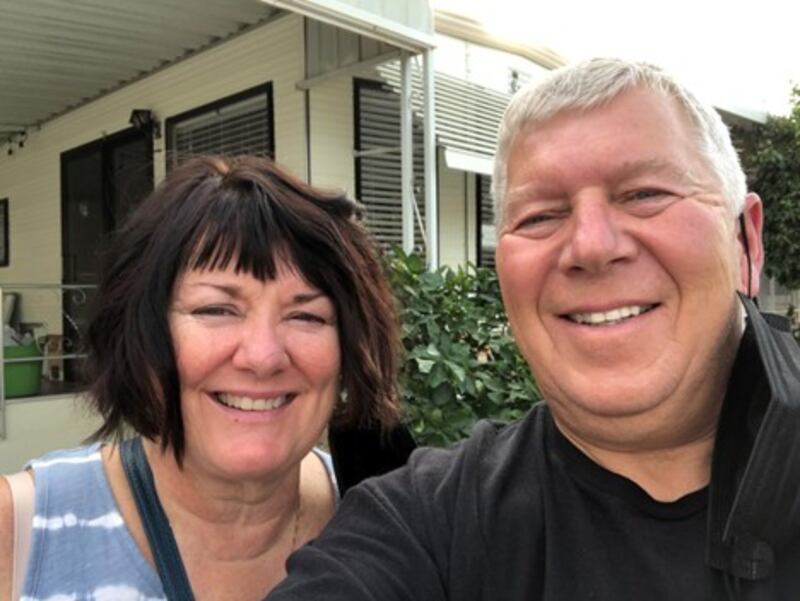
Mesa, Ariz. has been Richard Reid’s winter destination for 10 winters, where he and his wife Beatrice have a park model trailer in an RV resort. This year isn’t any different, as the pair from Saskatoon, Sk. have been there for most of the fall and will stay for all of the winter.
“If you’ve been coming to a place like Arizona for 10 years and spending your winters here, I can’t imagine spending my winters in Saskatoon, with snow and cold,” he said. “It would take a lot to deter me.”
This year, when they arrived through customs at Vancouver International Airport, they had their picture taken, were asked how long they were staying in Arizona, and were told to have a great trip. The pair weren’t fingerprinted.
“That probably took us less time to go through at the border crossing in Vancouver this year than it had in any previous years,” he said.
So far, his trip down South has been smooth.
“Before we came, we were so much less excited about coming than we’ve been in the past and I think it was (because of) all of the news,” he said. “Once we got here and said hi to all our mostly American friends…it was just like we’d never left.”
‘Safety is key’
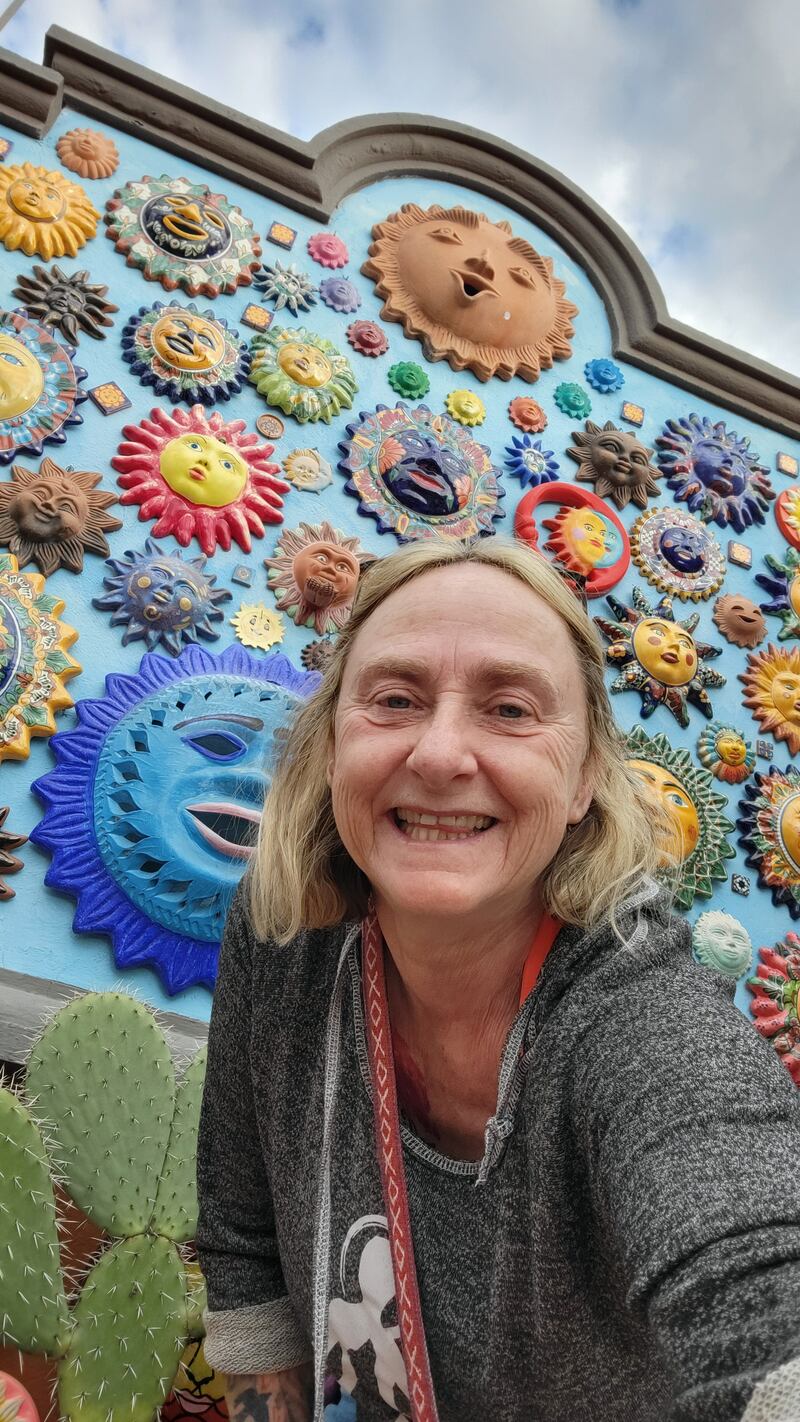
Now in her second year of retirement, Jan Vallillee had wondered where she wanted to go for the winter to escape the extreme cold of Yellowknife. She was always drawn to Arizona, since a lot of her friends spend time there. However, this year, those friends have opted out.
She says being part of the LGBTQ2S+ community makes the thought of travelling to the U.S. even more uninviting.
“We are part of a minority group and it seems like the current administration in the United States appears to have a little bit of an issue with various minority groups,” Vallillee said. “Safety is key.”
She added that she’s not keen to support a country that’s trying to “damage us economically and has horrible things to say about us.”
“It’s a real sin because the United States is a fun country and there’s so many amazing people down there,” she said. “It has nothing to do with the population. It has everything to do with the current administration. And fear.”
This winter, Vallillee is planning to spend a month on Vancouver Island to “support my own country” and celebrate her 60th birthday and do some golf. After that, she intends to spend a month in the Philippines, another month in Vietnam and then somewhere yet to be determined.
‘It just didn’t feel good’
In her lifetime, Carolyn Riley, of Ottawa Valley, Ont. has done 15 trips to Florida. But it was the last trip, in the winter of 2025, that made her feel different from her previous trips to the region.
She’d arrived in January, after Trump was sworn into office and had began making comments about Canada becoming the 51st state. That rhetoric followed Riley when she went to play cornhole at the resort where she was vacationing, with fellow residents making similar comments.
“It just didn’t feel good hearing that sort of thing from people that you had known for the last three years,” she said.
When it came to booking her trip for this winter, she said that the U.S. didn’t feel particularly inviting.
“We’re worried about crossing the border with the fingerprinting and everything, and then once we’re down there, not knowing whether ICE is going to be around,” she said. “It’s just so unknown and chaotic.”
That’s why this year Riley and her husband Russ Kemp are taking their dollar elsewhere. While she’d originally booked a place in Portugal for March, she decided it wasn’t going to be warm enough and instead opted for Mexico.
“We like warm weather, and of course the dollar is pretty good,” she said.
‘It gets us out to see a little bit more of the world again’
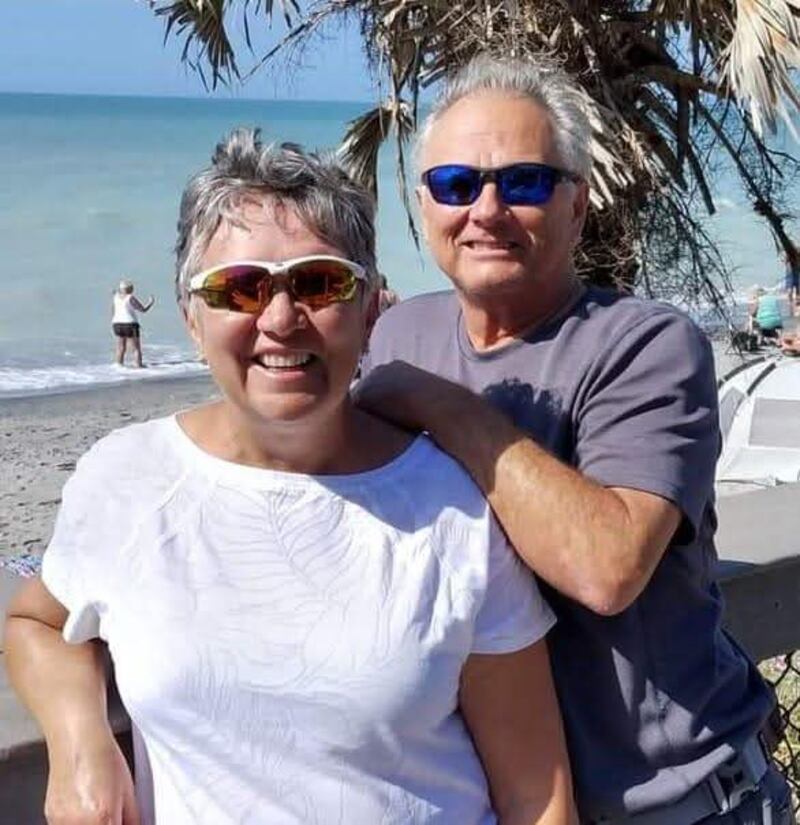
Calgary-based Trudy and Doug Petrie have been spending their winters in Peoria, Ariz. since 2012, when they bought a house there. They would go down for six months at a time to keep warm in the colder months. But this year, the weak Canadian dollar coupled with the current administration’s rhetoric targeting Canada, made them decide that it would be a good time to “take a year off.”
When the couple were there in the spring, many of their friends, both Republican and Democrats, apologized for how things were.
“They all came to us and they said they were sorry, they didn’t feel that way about the Canadians,” Trudy said, adding that their friends in Arizona don’t want them to sell their property.
This year, the Petries still plan to snowbird, but this time they’ll be spending their winter in Ixtapa, Mexico and Belize.
“I guess if there’s any good that comes out of it, it’s just that it gets us out to see a little bit more of the world again,” said Doug.

‘We’re just getting started as snowbirds’
Judy McConnell and her husband Malcolm, of Wiseton, Sask., haven’t identified as snowbirds for too long. Since Malcolm retired, they have spent three months of the last two winters in Yuma, Ariz. This year, they are dead set on returning with their motor home, which they’ve financially invested in.
“We’ve spent a lot of money on this motor home and we need to use it and there’s not really anywhere else but the States to go that’s warmer than Saskatchewan,” she told CTV News. “We are still going to go into the States no matter what the political climate is.”
She admits that despite the confusing messaging about what’s exactly required for Canadians who want to spend several months in the U.S., she doesn’t have a problem getting fingerprinted.
“Of course we’ll comply, but I’m not gonna volunteer,” McConnell said.
While some of her friends have made the decision to stay home instead of travel to the U.S., McConnell and her husband aren’t willing to give up on the opportunity to travel while they still can.
“We’re just getting started as snowbirds…and who knows what might happen in the next couple of years personally,” she said. “We’re not prepared to give that up right now.”
The last time the pair were in the U.S. in the spring of 2024, McConnell said all the Americans she met were apologetic.
“We had no one that was angry or telling us to go home,” she said.

