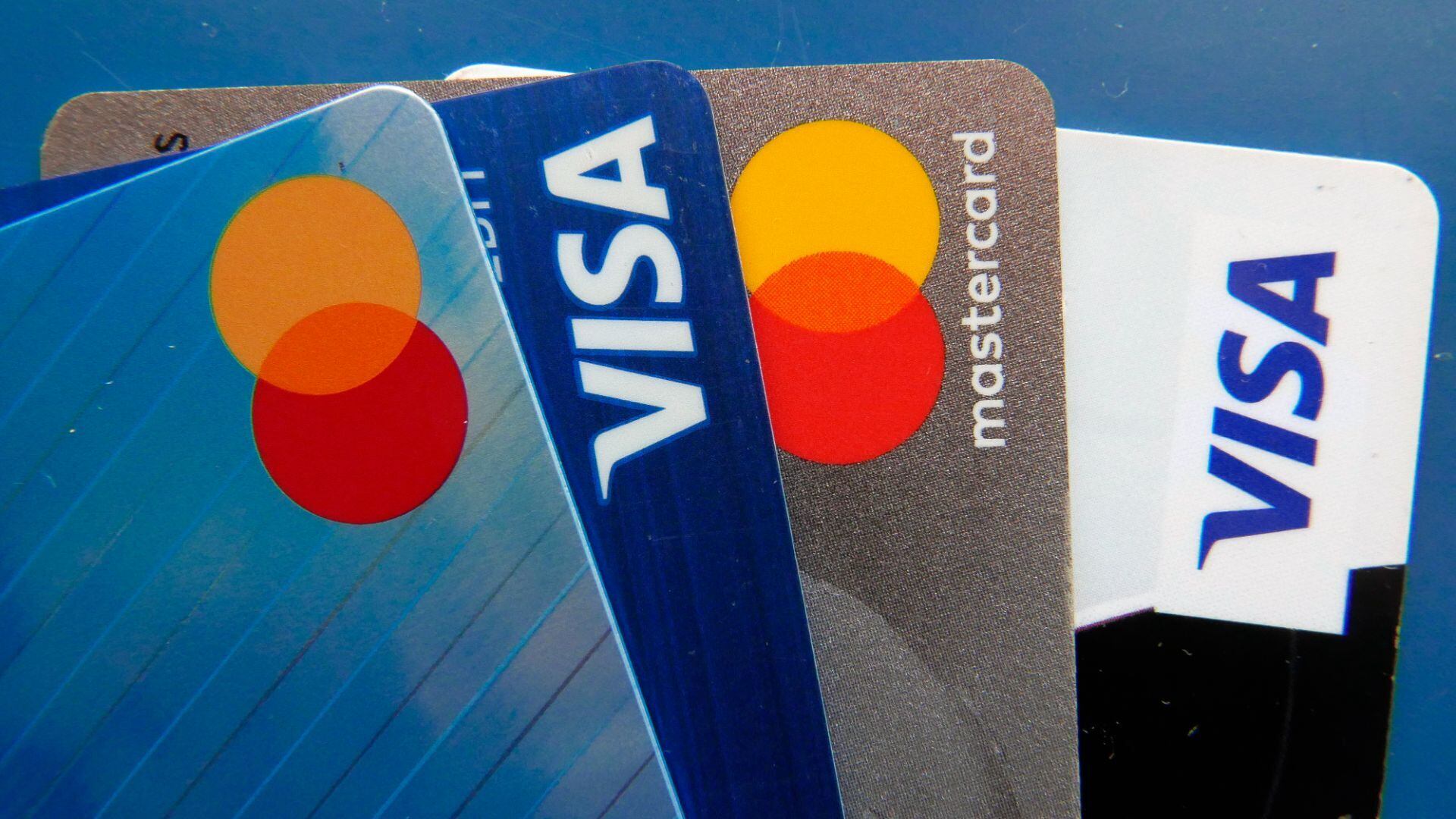
U.S. financial stocks and U.K.-listed lenders fell on Monday and weighed on global indexes as U.S. President Donald Trump’s call for a one-year cap on credit card interest rates threatened a key revenue stream for the industry.
The move amplified concerns over the sector with investors already grappling with interest rate uncertainty and will likely dull the potential benefit from a shift toward value stocks.
Trump on Friday called for a 10 per cent cap on the interest rate on credit cards starting Jan. 20 without providing details on how he planned to make the companies comply.
Shares of JPMorgan Chase and Bank of America, the top two U.S. lenders, dropped 2.5 per cent and 2.4 per cent, respectively, in premarket trading. Citigroup C.N fell 4.1 per cent while Wells Fargo declined 2.2 per cent.
“This rate cap would not address the root of the problem and could push consumers towards more expensive debt. It could push more borrowing away from banks into other unsecured loans such as pawn shops and other non-bank consumer lenders,” J.P. Morgan analyst Vivek Juneja wrote in a note.
British bank Barclays’ shares touched their lowest in nearly a month and were last down 2.7 per cent. The pan-European STOXX 600 index dipped 0.1 per cent.
U.S. card operations account for around 11 per cent of Barclays’ profits, Hargreaves Lansdown senior equity analyst Matt Britzman said.
Risks to credit access
Credit card lender American Express AXP.N tumbled 4.3 per cent, while payment processors Visa and Mastercard slipped two per cent each.
Still, some analysts said imposing a limit on rates would require legislation and could exceed presidential authority.
“There is no executive authority to implement this, and we see this as likely dead on arrival to the Congress or Senate,” analysts at Jefferies wrote in a note.
Shares of consumer finance firms such as Synchrony Financial SYF.N, Bread Financial and Capital One fell between 10 per cent and 11 per cent.
The planned reduction could also lead lenders to scale back credit for financially vulnerable borrowers.
“When companies can’t price the risk properly, they’ll just reduce credit lines or cut off access to credit entirely. Buy now pay later firms and payday lenders might love this proposal,” said Brian Jacobsen, chief economic strategist at Annex Wealth Management.
BNPL lender Affirm’s shares rose five per cent, while Afterpay-owner Block added 2.1 per cent.
Investors await industry response
Investors will closely scrutinize commentary from bank executives, as the industry kicks off the fourth-quarter earnings season this week.
JPMorgan is set to report results on Tuesday, followed by Bank of America, Citigroup and Wells Fargo later in the week.
A 10 per cent interest rate is well below the national average credit card rate of 21 per cent, Juneja noted, citing third-quarter data from the Federal Reserve.
Credit cards are typically seen as one of the costliest forms of credit. Lenders often cite their unsecured nature with no collateral as a major reason for high rates, since they face greater risk if borrowers default.
Previous federal attempts to cap credit card rates have failed to gain traction.
(Reporting by Niket Nishant in Bengaluru; Editing by Sriraj Kalluvila)

