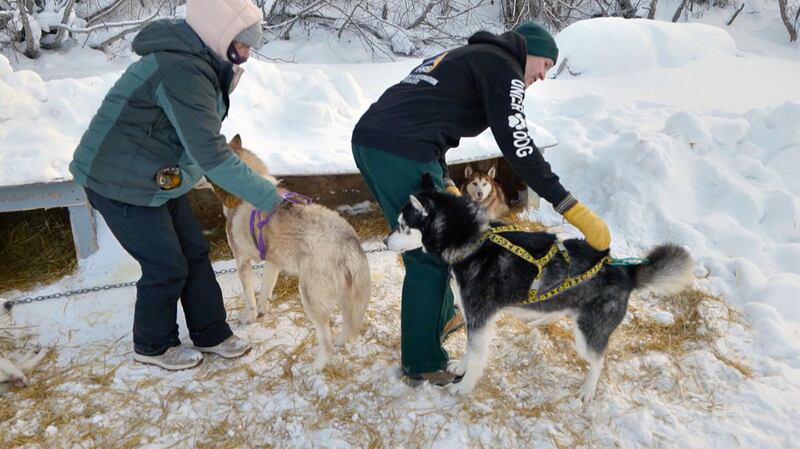
YELLOWKNIFE — On the edge of Great Slave Lake in Yellowknife, 10 sled dogs wait to be harnessed onto kick sleds for their last tour of the day.
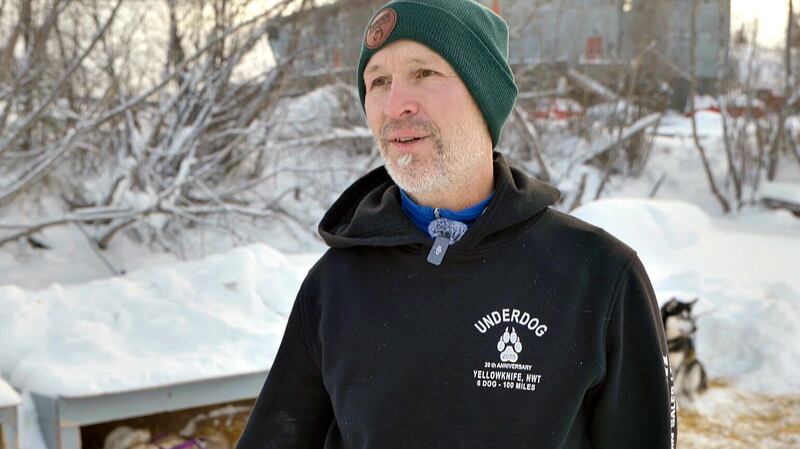
“‘Hike up’ is the command for go, ‘whoa’ is the command for stop,” said Richard McIntosh, co-owner of Sun Dog Adventures, which offers sled dog tours in winter and canoe rentals in summer, all based out of their trading post and cafe.
“The numbers are increasing,” McIntosh said about tourism in the area. “We see more and more people coming through the trading post and booking our tours, and it’s super important for all the other industry in town, the restaurants, the grocery store.”
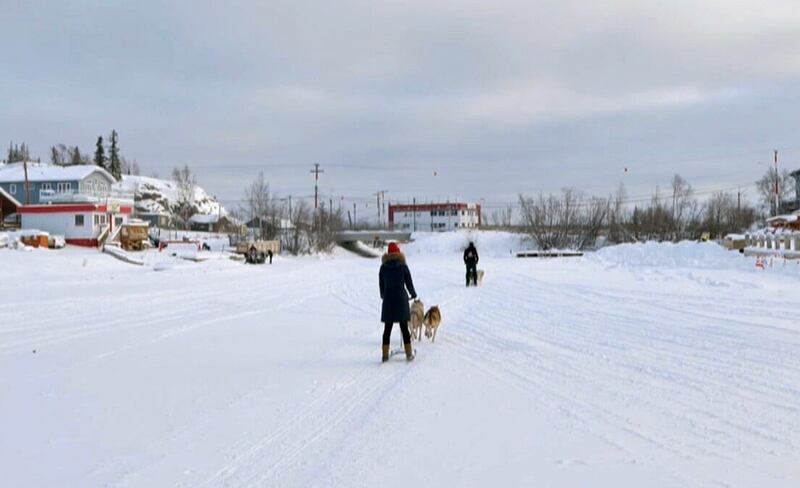
Tourism in the Northwest Territories peaked in 2018 with an estimated 120,000 people visiting the territory that year, spending roughly $210 million. And while it’s been a slow recovery since the COVID-19 pandemic, numbers are improving, providing a boost to the local economy.
“We hire guides every year and we hire service staff‚” McIntosh said. “Without the tourism, we wouldn’t be able to employ nearly as many people.”
Canada’s Arctic makes up 40 per cent of its total landmass but just 0.5 per cent of its GDP, according to government figures. Mining continues to be the main industry in the Arctic — but insiders say the full potential of resources here remains untapped.
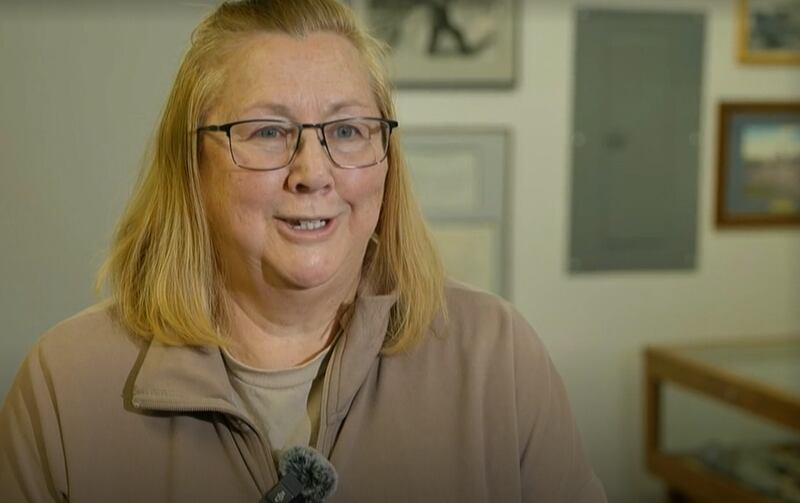
“We have a small population, but we also have significant mineral potential, which in the current geopolitical climate, as we look to secure supply chain certainty, is important,” said Karen Costello, the executive director of the Chamber of Mines.
Costello says mining in the north is at a crossroads, with significant mining projects winding down and no new major mines slated to come online this decade. And as the industry shifts toward critical minerals, she says more infrastructure investment is needed in the north to not only attract investment but beef up security as well.
“It’s a case of build it and they will come,” she said. “You can’t get more present than that when mining is here. Mining employs northerners, it works with Indigenous businesses and with Indigenous communities.”
The Carney government has promised $1 billion over four years as part of the Arctic Infrastructure Fund, with money for roads, airstrips and ports. Costello says it’s a start, but it won’t go far enough.
“Any single infrastructure project is going to cost over a billion, if not 2 billion,” Costello says. “There has to be a realization that a dollar in the north does not go as far as a dollar in Ontario or Quebec.”
Climate change is also having a significant impact on the economy of the Arctic, increasing access for maritime shipping and resource extraction, but also shortening the season for vital ice roads that connect many communities and projects. Once these winter roads melt, accessing some communities becomes increasingly challenging.
- Calls for help with the housing crisis in Canada’s Arctic
- Greenland threats highlight Arctic investment needs: experts
Among the major projects proposed to bolster access in the north is a deep water port and road network, connecting Gray’s Bay in Nunavut to the highway system in Yellowknife.
“It will serve a number of functions for communities and in lowering costs,” said Brendan Bell, CEO of West Kitikmeot Resources Corp., an Inuit-owned company spearheading the development of the Arctic Security and Economic Corridor.
“It also will play a role for the development of the mining industry in the neighbourhood and, of course, what we’re all focused on now, which is the security function.”
The proposed port would give the Canadian Navy better access to Arctic waters.
It’s a massive project with a number of environmental concerns, including the impact it might have on the caribou population and risks of oil spills in the area. But the federal government has cited it as a potential project for fast-tracking, and last year, two Indigenous governments — the Tłı̨chǫ and the Yellowknives Dene First Nations — committed to jointly lead the Northwest Territories side of the project.
Bell says investing in the north is not just a matter of economic security but Arctic security as well.
“The prime minister probably put it best,” Bell said. “‘If you’re not at the table, you’re on the menu.’ And I think as northerners, we feel like we’d be the main course.”

