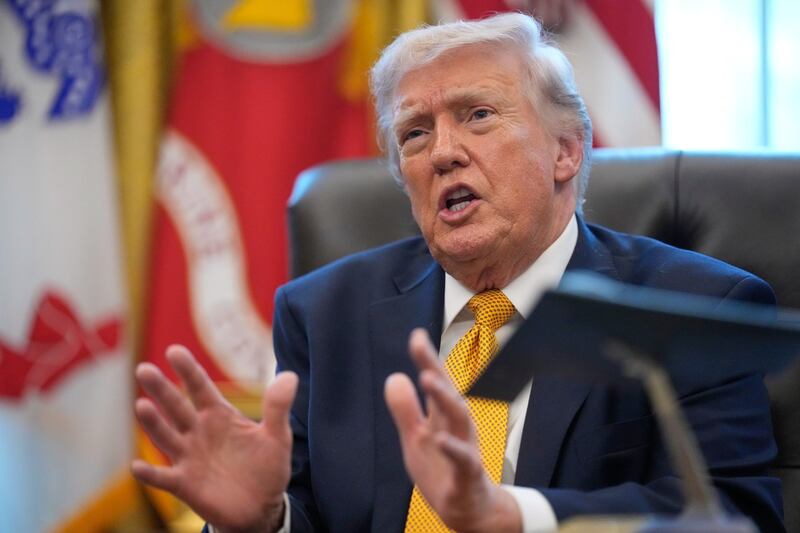
ISTANBUL, Turkiye — U.S. President Donald Trump is receiving a tepid response to his request for help in reopening the Strait of Hormuz, as many allies – including Canada – decline to participate.
“Canada is not involved in the prosecution of this war and Canada has no intention of being involved with the prosecution of this war,” said Defence Minister David McGuinty on Monday when asked about Trump’s request.
In an interview with the Financial Times on Sunday, Trump warned that NATO faced a “very bad” future if members of the alliance did not help with reopening the Strait, a waterway which around 20 per cent of the world’s oil typically flows through.
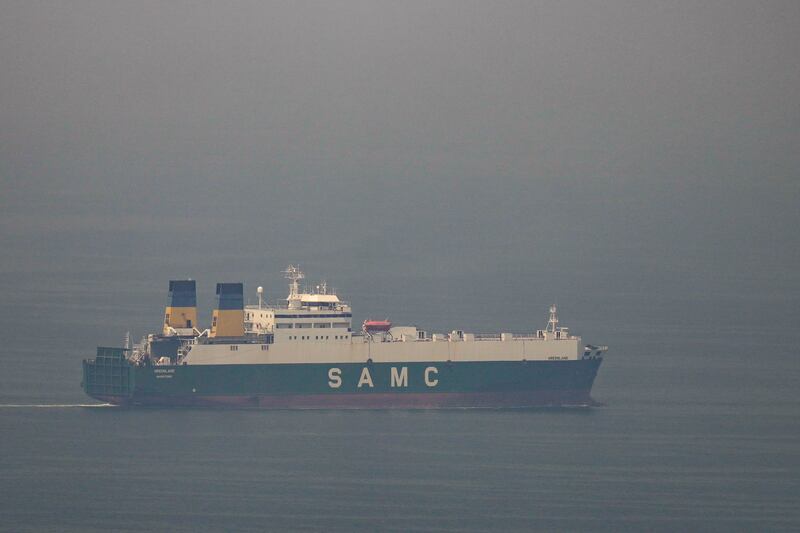
The sea passage has been effectively shut down since the United States and Israel launched their attacks on Iran more than two weeks ago, causing oil prices to surge.
“(The Americans) are asking other countries to come and help them so that the Strait of Hormuz remains open, which, of course, from our perspective it is open,” said Iran’s foreign minister Abbas Araqchi. “It is only closed to our enemies…and to their allies.”
Abbas Araqchi, Iran’s foreign minister, said from their perspective, the Strait of Hormuz “remains open.”
“It is only closed to our enemies … and to their allies,” he added.
With oil prices skyrocketing, Trump is under pressure to get tanker ships moving, but many allies have rebuffed his request.
“It’s not our war, we didn’t start it,” said Boris Pistorious, Germany’s defence minister. Japan, Italy and Australia have also said they don’t plan to get involved.
U.K. Prime Minister Keir Starmer said Monday that his country “will not be drawn into the wider war,” but added they are working with “all of our allies, including our European partners,” on drawing up a plan to open the Strait.
France currently has a naval mission in the Mediterranean, but the French foreign ministry posted on social media that its navy’s “posture has not changed: defensive it is.”
Kivanc Ulusoy, a political science professor at the University of Istanbul, said he found Trump’s request “kind of misplaced,” adding that the U.S. never consulted with its allies in the decision to attack Iran, and therefore, should not expect their participation.
“The mistake of this attack on Iran was it was not legitimate, it was not lawful and it was not morally justified,” Ulusoy said. “The Trump administration did not do anything to legitimize it.”
Despite asking for help, Trump said Monday that “we don’t need anybody; we’re the strongest nation in the world.” The U.S. president also suggested his request for assistance was more of a loyalty test to determine who America can rely on.
“I’m almost doing it in some cases not because we need them, but because I want to find out how they react,” he said.

