The fragile demand recovery seen by consumer companies globally is at risk of getting stalled by chances of more prices hikes as a result of soaring energy and commodity costs due to the Middle East conflict.
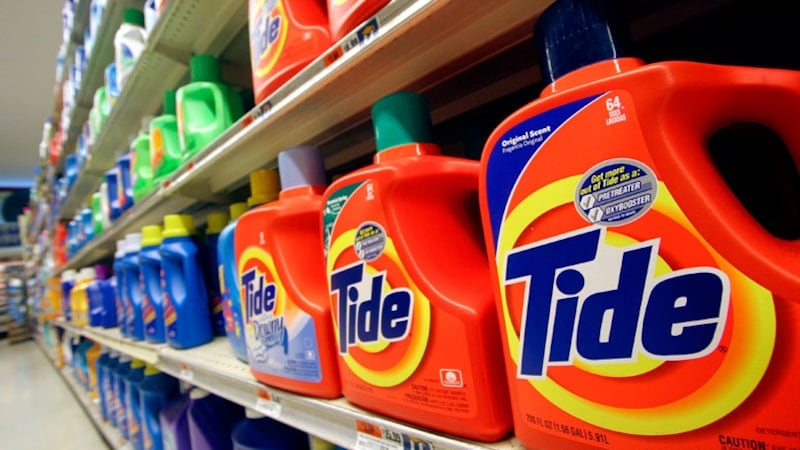
On Friday, U.S. consumer giant Procter & Gamble, flagged a roughly US$1 billion hit to its fiscal 2027 profit as higher crude prices hurt packaging, plastic materials and logistics.
The warning is a clear sign that the oil shock is adding pressure on companies to raise prices worldwide to tide over the growing costs across their supply chains that have now begun to squeeze profit margins.
“Inflation across food, energy, healthcare, and many other areas of spending has taken a toll on consumers and how they assess value. Recent geopolitical events have elevated this to a new level of concern,” P&G finance chief Andre Schulten said on an earnings call.
Consumers under strain
“In short, the consumer path to purchase is changing every day,” Schulten said, adding he expects an even more intense period of change over the next three to five years.
Results last week from Swiss giant Nestle and French dairy group Danone showed volume growth in the first quarter after a prolonged stall, offering some relief to investors watching closely for signs of demand recovery after years of price hikes.
Analysts, however, warned that the rebound could be short-lived if companies again raise prices to offset higher costs as it could make value-conscious shoppers trade down to private brands.
“This time round, consumer staples companies will try their best to pass on any extra costs, but they might struggle,” said AJ Bell head of markets Dan Coatsworth.
Pricing power tested
Danone deputy CEO Juergen Esser said short-term hedging is helping cushion near‑term cost pressures, while the company has stepped up the pace of its productivity programs to tackle the volatility.
Dettol-maker Reckitt CEO Kris Licht said the conflict has already hit its Middle East business, eroding what had been a positive start to the year.
While the company still sees resilient demand in its core categories, visibility for the second half remains limited, Licht said.
Consumer heavyweights such as Unilever, Coca‑Cola, Kleenex maker Kimberly‑Clark and Cadbury owner Mondelez are yet to outline the impact of higher energy prices on their businesses. They will report quarterly results this week.
Reckitt said more shoppers are switching away from branded health and hygiene products in favor of private‑label alternatives, and warned of hit to first-half margins from higher commodity costs.
Keurig Dr Pepper said its shoppers are trading down within branded ranges rather than abandoning them outright, prompting the company to lean harder on promotions.
The warnings mirror a broad pattern through earnings calls this quarter, with companies across industries flagging higher transport and raw material costs, supply-chain strains and reduced visibility due to the nearly two-month conflict.
“Companies are increasingly having to make the difficult choice of whether to defend prices, or let volumes do the work instead. That trade-off will only get harder if energy costs keep climbing through the year,” said Zavier Wong, market analyst at eToro, an Israel-based trading platform.
Rising oil and gas prices have pushed up inflation readings in Europe and the U.S., fanning concerns that higher prices could squeeze household budgets just as consumers were beginning to stabilize after the post-pandemic cost-of-living crisis.
“The companies best positioned to weather this are the ones that have made hedging decisions early, and sit in categories where consumers don’t have an easy out,” Wong said.
(Reporting by Savyata Mishra and Anuja Bharat Mistry in Bengaluru; Editing by Arun Koyyur)

