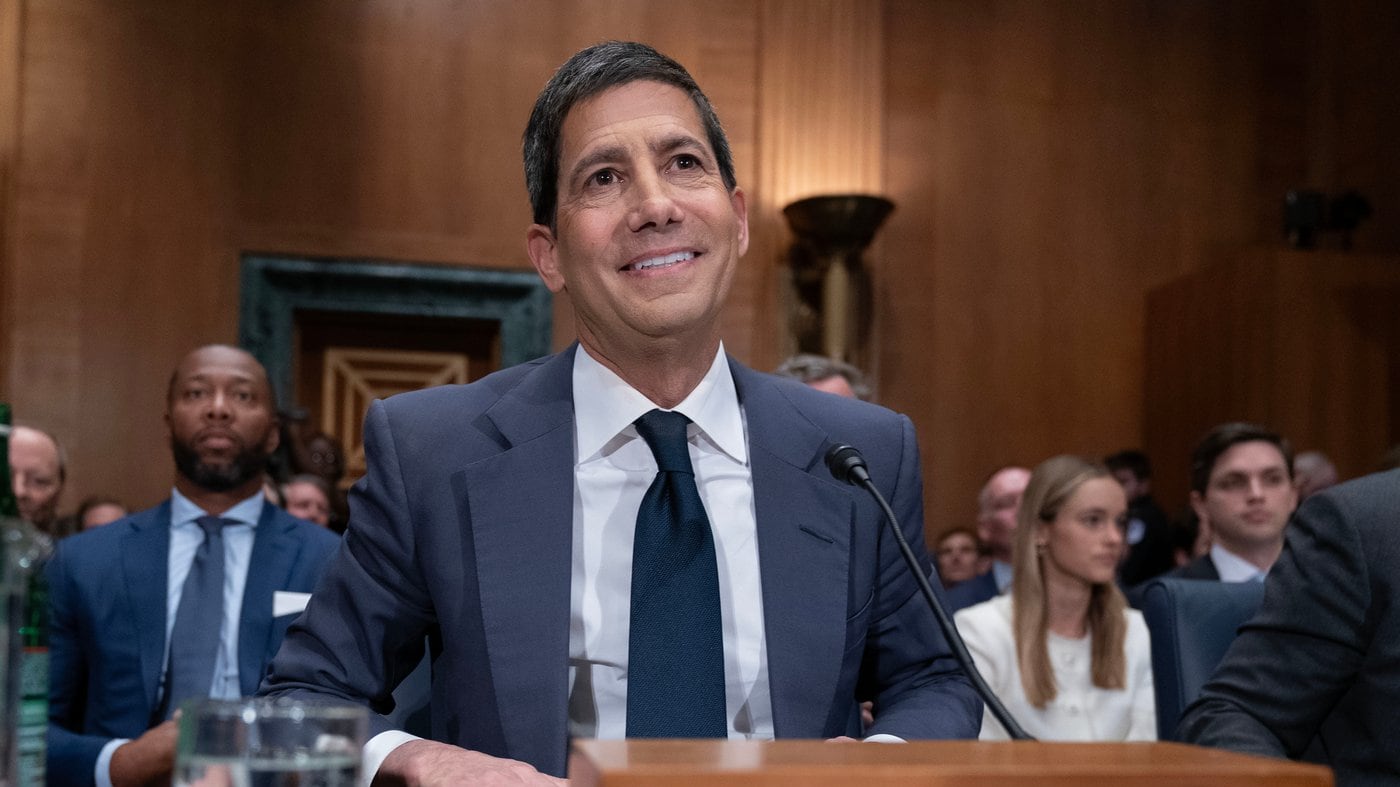
The U.S. Senate on Tuesday confirmed Kevin Warsh to a 14-year term as Federal Reserve governor, marking an important step toward his succeeding Jerome Powell as the U.S. central bank’s next leader.
The vote passed 51-45, with a single Democrat, John Fetterman of Pennsylvania, casting his vote with the Republican majority.
The Senate began the confirmation process for Warsh’s concurrent four-year term as Fed chair, holding a so-called cloture vote to start a countdown toward approving him for the leadership post as soon as Wednesday. Powell’s term as chair ends on Friday.
A lawyer, financier and former Fed governor, Warsh is on course to lead the Fed at a time when the central bank’s political independence is being tested by pressure from the administration to deliver the interest-rate cuts demanded by U.S. President Donald Trump.
Trump’s unprecedented efforts to exert control over the Fed include the attempted firing of Fed Governor Lisa Cook in a case now before the Supreme Court and support for a Department of Justice investigation into Powell’s management of a building renovation that a federal judge ruled was pretext for pressuring Powell to cut rates or resign.
The DOJ dropped its investigation, but its lead prosecutor in Washington says she could reopen it.
Powell plans to take the unusual step of staying on as governor after his chair term ends, in response to the “series of legal attacks on the Fed which threaten our ability to conduct monetary policy without considering political factors.”
Warsh says he plans “regime change” at the Fed, including tightening its coordination with the Treasury Department and the Trump administration on non-monetary policies and setting it on course for a smaller balance sheet, which he argues should allow for a lower policy rate.
A surge in oil prices since the start of the Iran war has pushed up inflation and pared investor expectations for an interest-rate cut this year. Currently financial markets are pricing about a one-in-three chance of a rate hike by December. The Fed’s current target range for short-term borrowing costs is 3.50 per cent to 3.75 per cent.
The Fed chair has one of 12 votes on interest-rate-setting Federal Open Market Committee and is one of 19 voices at the policy-setting table.
The Fed’s next meeting, likely its first chaired by Warsh, is scheduled for June 16 to 17.
(Reporting by Richard Cowan, writing by Ann Saphir; Editing by Dan Burns)

