Algoma Steel, which has transitioned to electric arc furnace steelmaking and is reeling from 50 per cent U.S. tariffs, reported a first-quarter consolidated operating loss of $153.5 million on May 12.
The company’s net loss was $159.4 million, compared to a net loss of $24.5 million a year earlier.
That compares with a loss of $139.9 million for the same quarter in 2025.
In a news release, Algoma said its results “were significantly impacted by the transition from legacy blast furnace operations to the company’s new electric arc furnace platform, as well as a materially more adverse tariff environment in the current year quarter.”
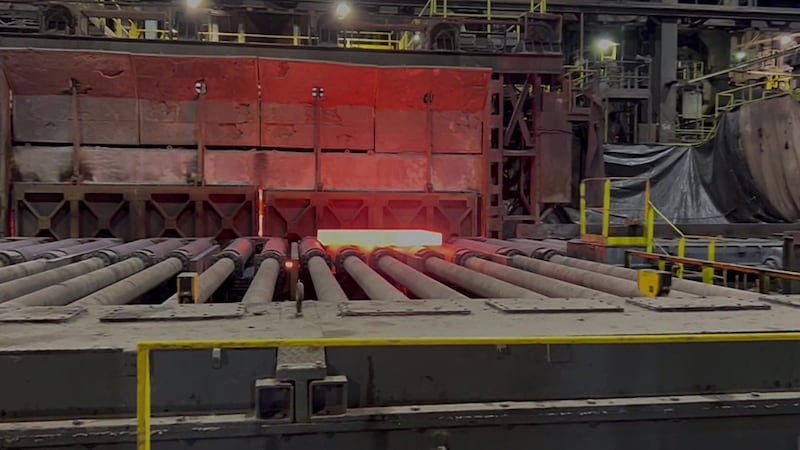
Quarterly revenue totalled $296.9 million, compared to $517.1 million in the same quarter in 2025. The Sault Ste. Marie, Ont., steelmaker said it is reporting a net loss of $159.4 million, compared to a net loss of $24.5 million in 2025.
Direct tariff costs were $27.4 million, compared to $10.5 million last year. Shipments totalled 223,681 tons, compared to shipments of 469,731 tons a year earlier, “reflecting the transition to EAF-only steelmaking and the deliberate pivot toward the Canadian plate market,” Algoma said.
“The first quarter of 2026 represented a genuine turning point for Algoma,” CEO Rajat Marwah said in the news release.
“We permanently closed our blast furnace on Jan. 18, bringing 125 years of coal-based steelmaking to an end and completing what we set out to do: transform this company into a modern, low-carbon steel producer.”
The transition comes with a cost, Marwah said, with higher costs and lower production as the company ramps up EAF steelmaking.
“But the direction is clear and the trajectory is improving,” he said.
“Our EAF is running 24 hours a day, our plate mill is producing … low-carbon steel at scale, and we are leaning into our competitive advantage as Canada’s only producer of discrete plate.”
Marwah also thanked the federal and provincial governments for supporting them as they respond “to unfair trade practices and U.S. Section 232 tariffs.”
About 28 per cent of its production was exported to the U.S. in the first quarter, Algoma said, compared to almost 50 per cent it was shipping before the tariffs.
The federal government, in particular, has prioritized using Canadian steel as it ramps up defence spending.
“That partnership has been instrumental in positioning Algoma where we are today,” he said.
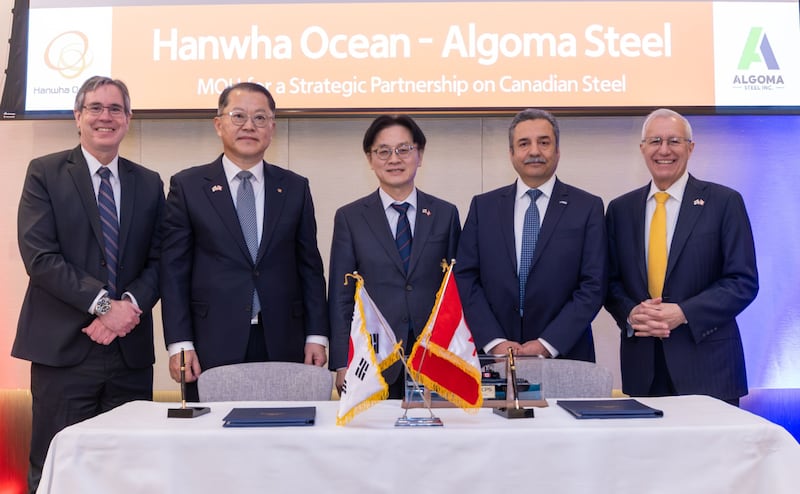
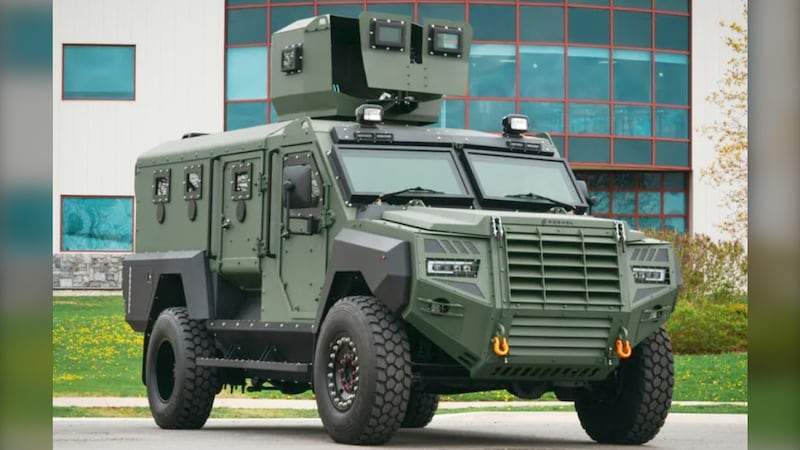
“The formation of Roshel Algoma Defence extends our reach into sovereign ballistic steel production, and our Hanwha Ocean MOU represents a potential pathway into Canada’s defence and shipbuilding supply chain at scale. These are not speculative opportunities; they reflect the logical extension of what Algoma, with its modernized EAF platform and unique plate capabilities, is positioned to deliver.”
Michael Moraca, Algoma’s chief financial officer, said expenses associated with the transition to EAF steelmaking will decline in 2026 and be eliminated by the fourth quarter.
Record steel plate sales and a recovery in average net sales should mean improved results each quarter for the rest of 2026.
“We expect incremental improvement in the quarters ahead as we ramp up EAF Unit 1 and commission and ramp up EAF Unit 2,” Moraca said in the release.
“We ended the quarter with approximately $553 million in total available liquidity, and with capital expenditures down significantly from the peak of the EAF construction phase, we are increasingly positioned to focus our financial resources on strategic opportunities that support long-term growth and value creation.”
Following completion of the EAF transformation, Algoma said it expects to have an annual raw steel production capacity of approximately 3.7 million tons and is projected to reduce annual carbon emissions by approximately 70 per cent compared with pre-EAF levels.

