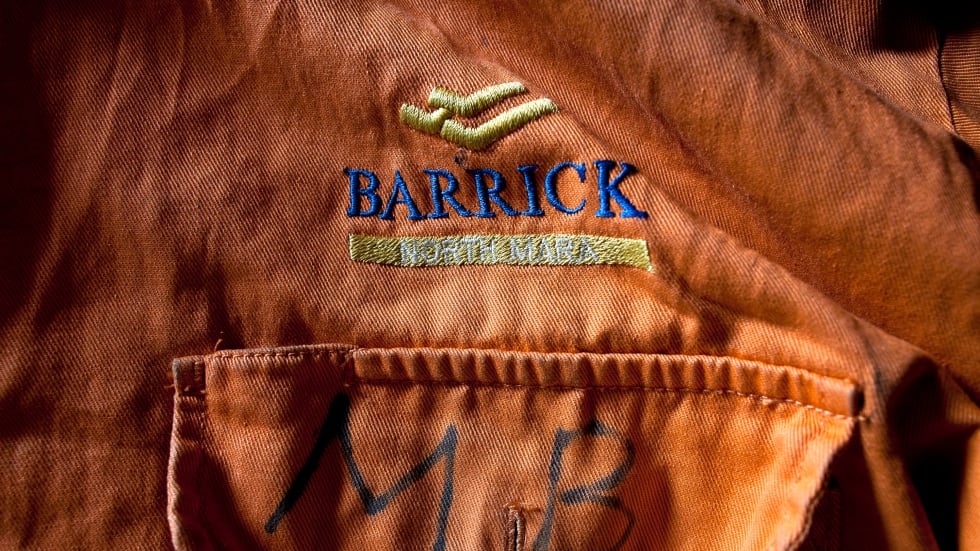
Barrick Mining has increased Ebola precautions at its Kibali gold mine in eastern Democratic Republic of Congo, with worker screenings and tracking measures after an outbreak in a neighboring province, a spokesperson told Reuters on Tuesday.
Ebola, a deadly virus spread through bodily fluids, was detected in Congo’s Ituri province in early May but traced to late April. Officials have confirmed it has killed 131 people, saying the toll is likely to be higher.
At the Kibali gold mine, located in neighboring Haut-Uele province, no workers have been affected, but a Barrick spokesperson said preventative measures were being implemented.
Specialists say the amount of mobility in eastern Congo’s mining and trading hubs, with frequent cross-border movement, makes containment a challenge.
Some Kibali workers originate from the affected province, a Barrick employee told Reuters, asking not to be named.
The person said Barrick’s response included daily temperature screenings and awareness campaigns.
In an emailed response, Toronto-headquartered Barrick said it requires its employees and contractors, around 7,600 in total, to declare where they are traveling from to help screen for potential cases.
It said it had begun a campaign to highlight the risks and explain the symptoms of Ebola at the weekend and that temperature screening, already begun, would be fully implemented by May 20.
Kibali, jointly owned by Barrick and AngloGold Ashanti with 45 per cent each, and 10 per cent by Congo state miner SOKIMO, is one of Africa’s largest gold mines.
Past Ebola outbreaks have had significant economic consequences. Epidemics in Congo between 2018 and 2020, and in West Africa between 2014 and 2016, killed thousands and disrupted trade, investment and mining operations across the region.
Kibali produced about 673,000 ounces of gold in 2025, with output expected between 600,000 and 688,000 ounces in 2026, according to annual reports.
(Reporting by Portia Crowe and Maxwell Akalaare AdombilaWriting by Maxwell Akalaare AdombilaEditing by Veronica Brown, David Goodman and Barbara Lewis)

