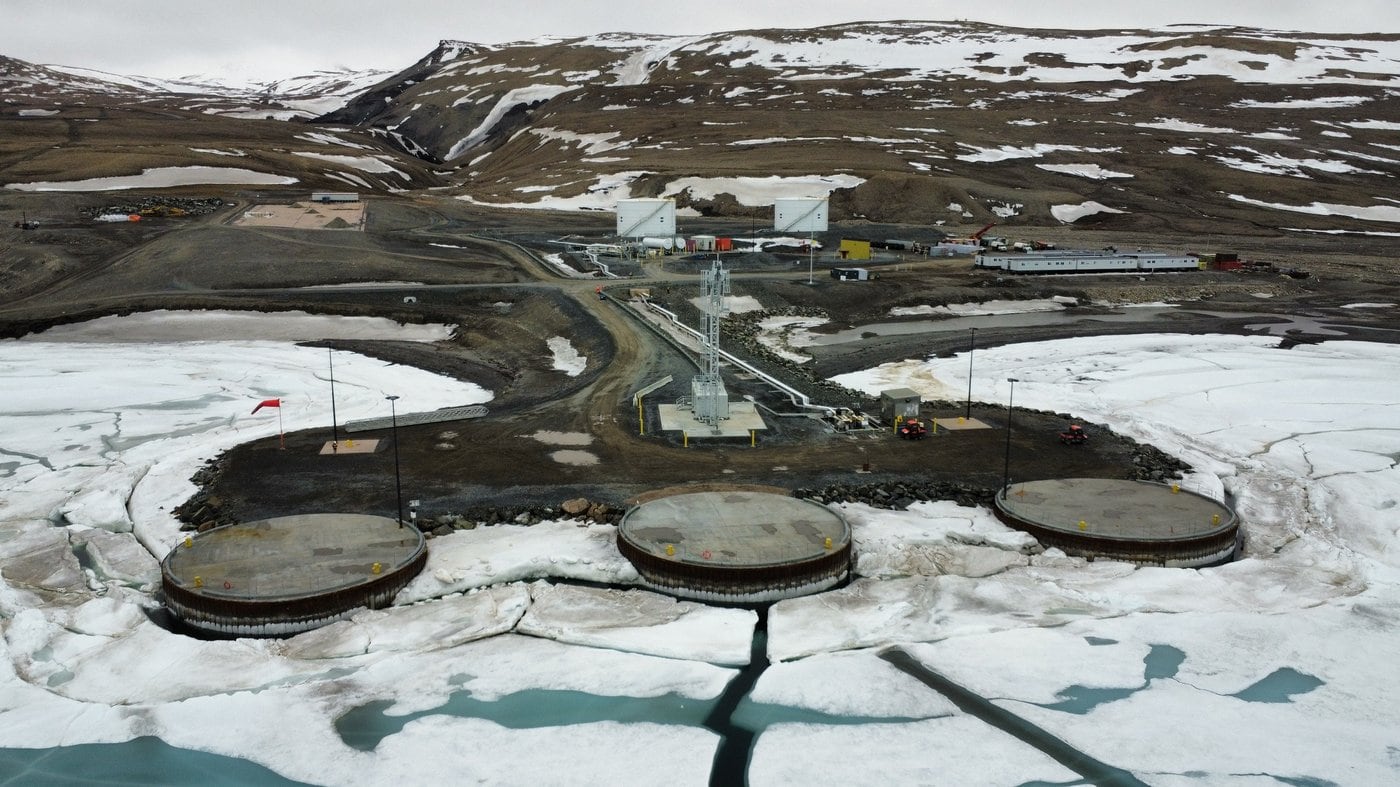
The Canadian military is abandoning its efforts to open and operate a naval refuelling facility in the Arctic, marking the end of a long-troubled infrastructure project that defence officials say no longer meets Canada’s evolving military needs in the North.
In a statement released Thursday, the Department of National Defence said the decision reflects major shifts in Arctic operations since the Nanisivik Naval Facility was first announced in 2007 by former prime minister Stephen Harper.
“The Arctic has changed significantly since 2007, and Canada’s investments need to keep pace with today’s realities,” National Defence Minister David McGuinty said.
“This is an opportunity to modernize northern infrastructure and capabilities in a way that strengthens our sovereignty, supports our military priorities in the North, and delivers better value for Canadians,” he added.
Originally envisioned as an all-season marine port and airstrip from which Canada would assert its presence in the region, plans for the Nanisivik facility on Baffin Island were scaled back over the years as projected costs escalated and its operational scope diminished.
Officials cited the facility’s short seasonal operating window, persistent construction problems and high maintenance costs as key reasons for abandoning the facility.
Additionally, Canada’s new Arctic and offshore patrol vessels can sail longer distances than their predecessors without the need to rely on Nanisivik to refuel.
“The Royal Canadian Navy can operate in the Arctic without the Nanisivik Naval Facility,” said Vice-Admiral Angus Topshee, the head of the Royal Canadian Navy, in a statement.
“This decision allows us to focus our effort where it best strengthens readiness, so our sailors remain capable, responsive, and effective across the North.”
Earlier this year, a spokesperson for the department told CTV News the opening of the facility was still on hold due to structural concerns with the facility’s jetty.
“We discovered that Arctic cold-water bacteria were degrading the existing jetty through a process called microbial-induced corrosion,” spokesperson Andrée-Anne Poulin wrote in an email, adding the military was “working with consultants to understand the phenomena and develop options to mitigate the problem.”
The shifting and buckling of the ground surface due to permafrost was also cited as an issue plaguing the site. “Because of the semi-fluid nature of the underlying soil, the site is subject to differential movements, both laterally and vertically in nature,” Poulin said.
‘Asinine decision’
The Nanisivik site, which today consists of a site office, a helicopter pad, a wharf operator’s shelter, a storage building and two unheated fuel tanks, will now be placed into caretaker status while officials begin long-term asset management reviews.
If the site is no longer required for military use, a divestment process will begin and the property will be transferred to another party, the statement said.
National Defence has invested approximately $110.8 million in the facility to date. The department says another $200 million would have been required to bring the facility up to an operational level.
Conservative defence critic James Bezan slammed Ottawa’s handling of the project Thursday, saying the Liberal government’s Arctic plan is nothing more than “an illusion.”
“The Liberals talk big about Arctic sovereignty but in reality they have failed to take any concrete steps to establish a permanent military presence in the North,” Bezan said in a statement to CTV News.
“The Liberals modified the plans for the naval station and decided the fuel tanks didn’t need to be heated in the high Arctic,” Bezan added. “This asinine decision guaranteed Nanisivik would be virtually unusable.”
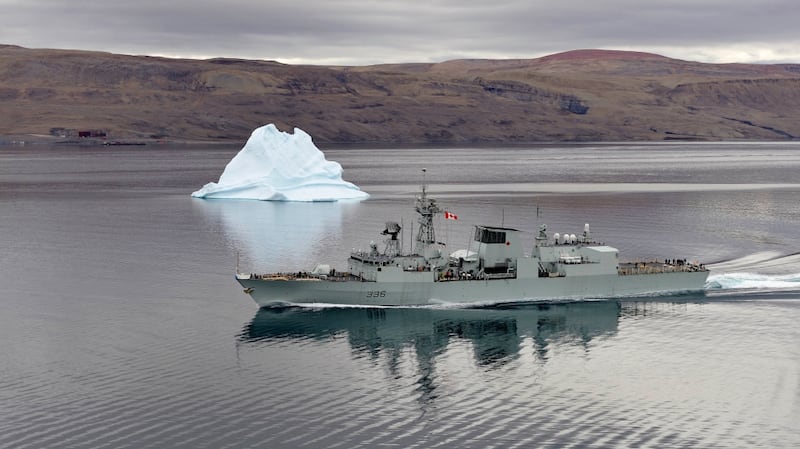
Situated below the entrance to the vital Northwest Passage shipping route, the Nanisivik facility was constructed on a former mining site.
The current defence policy of the Liberal government warns that other countries are increasingly exploring approaches to the Canadian North, probing infrastructure and collecting intelligence, as Arctic sea ice melts.
Officials emphasized the government remains committed to Canadian sovereignty in the Arctic, adding the decision to decommission the Nanisivik facility will not compromise the navy’s ability to operate in the region.
“In today’s changing geopolitical environment, the federal government must make prudent decisions to ensure Canada’s sovereignty and security in the Arctic,” Liberal MP for Nunavut Lori Idlout said.
“As part of the site’s decommissioning, any required environmental assessments and remediation measures should be undertaken to ensure responsible management for the people of Arctic Bay.”

