


TORONTO – For Sylvie Gagné, peppers, tomatoes, and lettuce growing in her backyard offer some relief from the pressure of grocery bills that have climbed sharply since 2019.
“It’s nice to have fresh stuff and just going into the back yard to get it,” she said. “It also teaches the kids and the rest of the family how much work goes into growing food.”
Grocery prices have soared by roughly 30 per cent since 2019, according to a report from TD Bank. To address those soaring costs, Ottawa unveiled the Canada Groceries and Essentials Benefit earlier this year, a revamped version of the GST/HST credit that includes a one-time top-up, which began going out Friday.
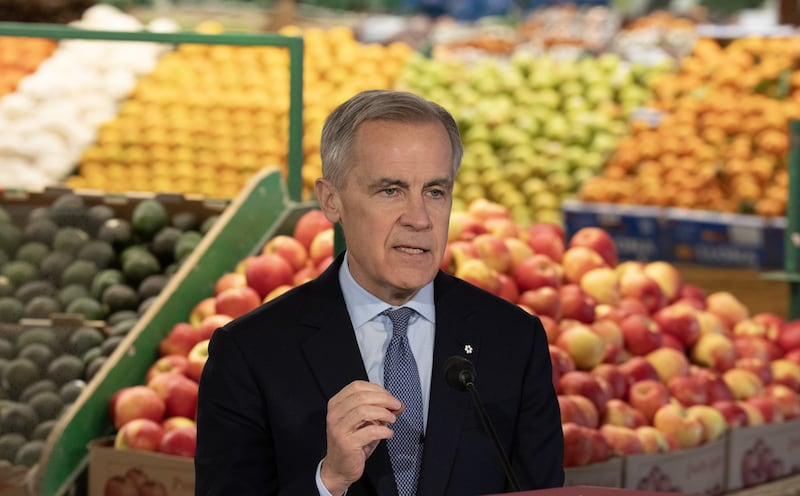
Prime Minister Mark Carney visited a grocery store Friday in Brampton, Ont., to promote one of his government’s signature cost-of-living measures, saying the payments will make a real difference for families.
“It’s a significant amount of money, cheques up to $534 for a family of four to help with the pressures and cost of living,” said Carney.
Amanda Beale is among the roughly 12 million Canadians who qualify for the benefit. While she welcomes the payment, she’s measured about its impact on her family’s budget, which has been stretched since her husband was laid off earlier this year.
“It’s basically one grocery shop,” she said.
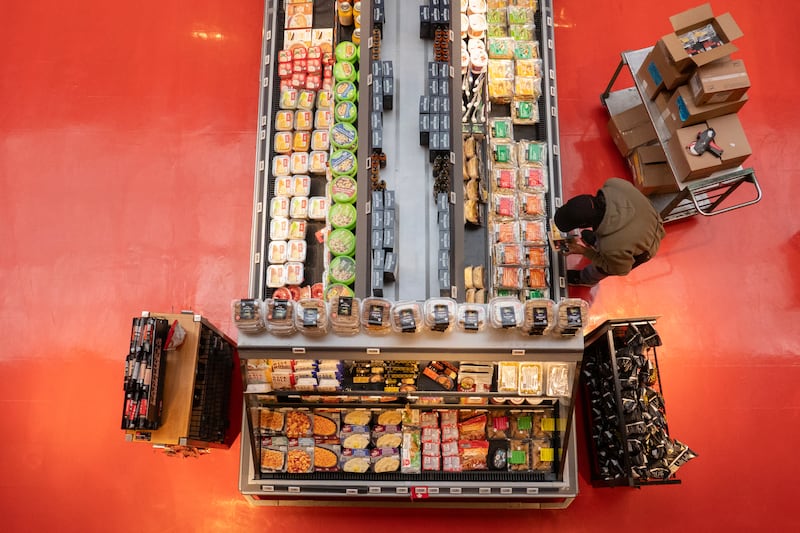
Beyond the one-time top-up, the program also includes quarterly payments that Ottawa is boosting by 25 per cent over the next five years. How much an individual or household receives depends largely on their income and how many dependents they have.
The maximum amount a single individual can receive is $679, while a married or common-law couple could get up to $890. Families could receive an additional amount of up to $234 per eligible child.
The program is aimed at helping lower-income Canadians who are struggling with the high cost of living. The government has set maximum levels to quality for the top-up, which are based on 2024 income levels.

The maximum income for a single person with no children is $56,181 while the maximum for a single person with four children is $74,201. The maximum income for a married or common-law couple with no children is a combined $59,481, while the maximum combined income is $74,201 for a couple with four children.
“I think that the top up is a really positive sign that the government is thinking seriously about how grocery affordability is impacting Canadians, but there’s a lot more that we can be doing,” said Michael Widener, a planning professor at the University of Toronto, who says structural change is also needed.
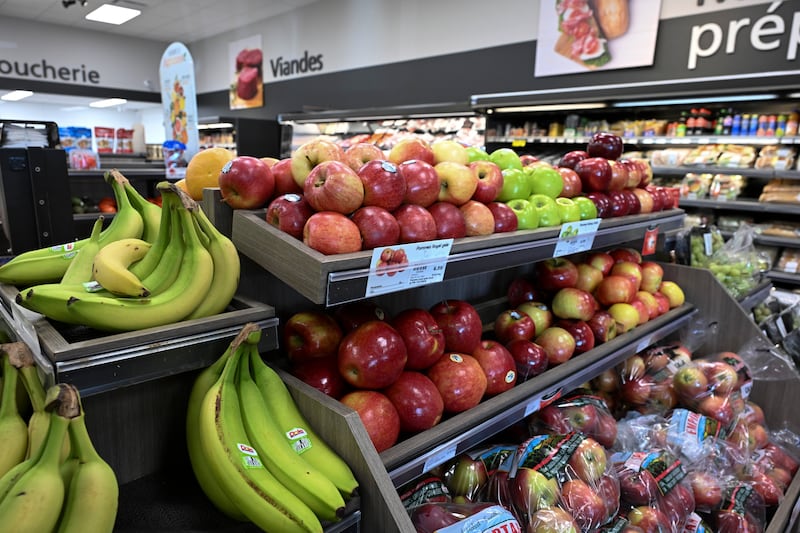
He points to a lack of competition in the grocery sector, transportation challenges and a need to diversify where Canada imports its food from.
“Because we are a colder country, we tend to import a lot of food,” he said. “And with all the disruption around trade over the last year, I think we need to have a much more resilient plan towards where we import our food from.
“We import a lot of food from the U.S., and we need to think more strategically about where that food is going to come from in the future, and what we can grow here in Canada realistically,” he added.

