A Canadian mining company is betting that one project in the U.S. could give it exposure to three minerals that are becoming increasingly important as the country pushes its domestic supply chain.
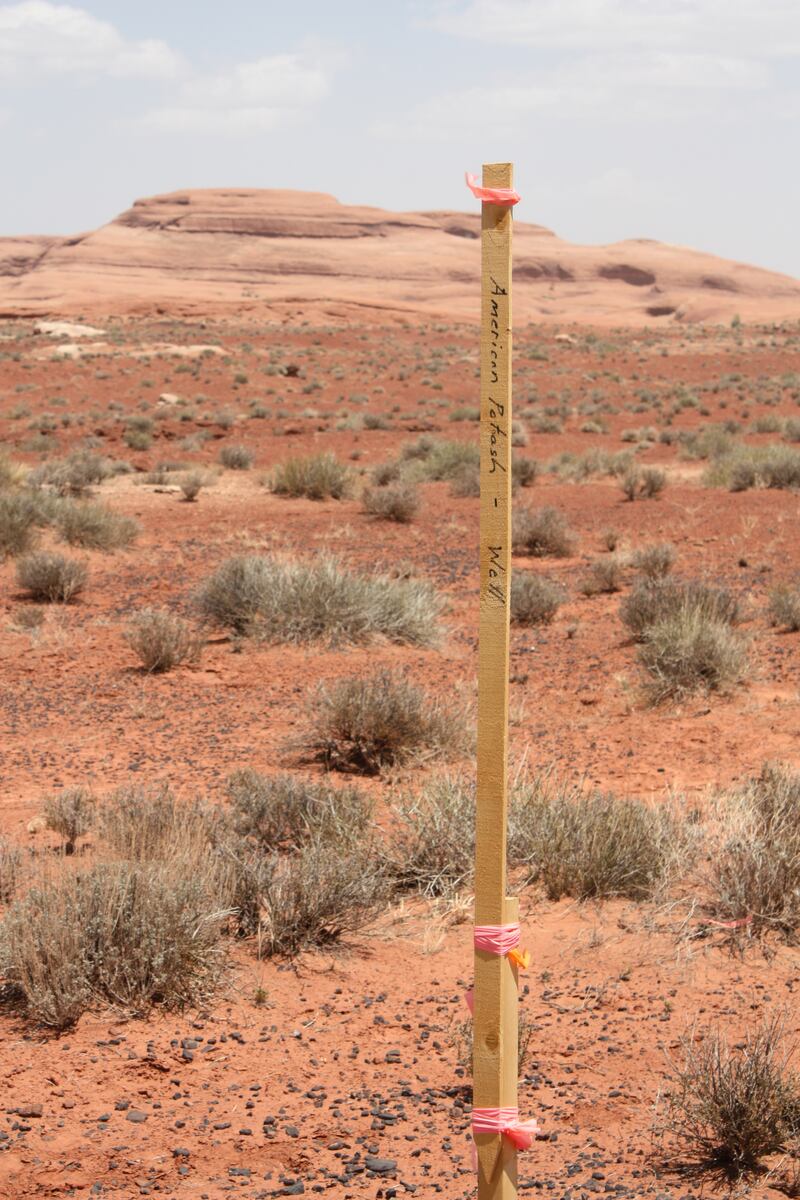
Vancouver-based American Critical Minerals hopes to develop potash, lithium and bromine resources from a single land package as it advances its Green River project in Utah’s Paradox Basin.
“It’s fairly rare in the North American space,” Dean Pekeski, president and CEO of American Critical Minerals told BNN Bloomberg.
“Every drill hole that we complete, we will have results that could contribute to three separate resources.”
Potash and lithium are both included in both Canada and the U.S.’s list of critical minerals which are needed for the green energy transition and agricultural food security.
Pekeski says historical drilling confirms the presence of potash mineralization on the property, while neighbouring projects show lithium-bearing brines and bromine-rich aquifers in the basin.
The company hopes that the project could eventually support multiple projects.
“We could have three revenue streams coming from a single property,” says Pekeski.
Leveraging a proven mining district
Pekeski says the project sits near the Cane Creek operation operated by Intrepid Potash which is one of the few potash producers in the U.S.
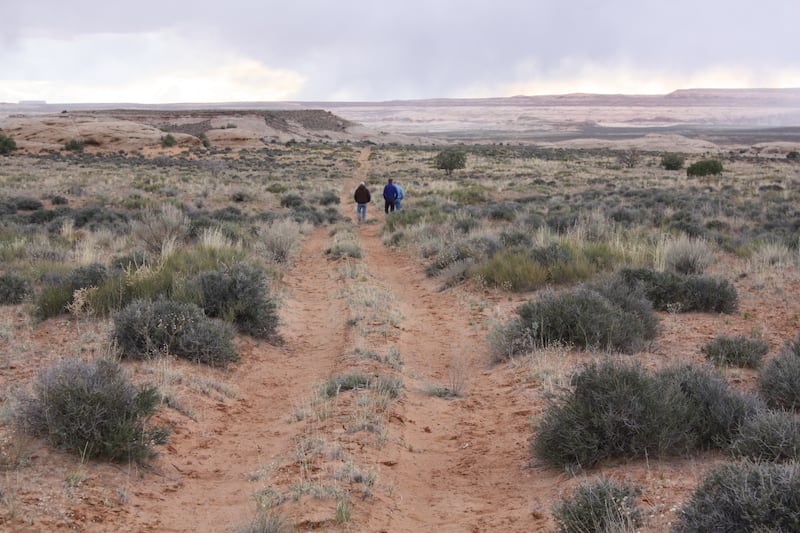
“We’re 20 miles away from from Intrepid operation, targeting the exact same potash beds that we know exist on the property,” he says.
The company also points to neighbouring lithium developers in the basin, including projects that have advanced to later stages of development.
Pekeski says those operations help validate the geology.
“If we can define similar grades, thicknesses, flow rates, we may have something that’s quite compelling and very interesting,” he says.
Potash security in the spotlight
Potash, a key ingredient used in fertilizer production, was added back to the U.S. critical minerals list in 2025 to reduce import dependence and strengthen national security by increasing domestic production.
The U.S. imports nearly 90 per cent of its potash requirements from Canada, according to the U.S. International Trade Commission. It produces less than one per cent of the world’s potash, yet it is the third-largest global importer.
Pekeski argues that recent geopolitical disruptions have highlighted the importance of securing reliable fertilizer supplies.
“I think it’s critical,” he says.
He pointed to market disruptions following Russia’s invasion of Ukraine and broader geopolitical tensions that have contributed to volatility in fertilizer markets.
“I think it behooves governments, in particular the U.S. government, to look to potash as a critical mineral and to attempt to secure supply as best they can because it’s essential to agriculture. It’s essential to food production,” he says.
‘The U.S. simply doesn’t have the potash deposits necessary’
Despite growing efforts to encourage domestic production, some analysts question whether the U.S. can produce as much potash as it needs.
“The U.S. simply doesn’t have the potash deposits necessary to be self-sufficient,” critical minerals analyst Jack Lifton told BNN Bloomberg.
“Nor does the U.S. have sufficient diplomatic or military influence to command the world’s major sources of potash in favour of the U.S.”
Lifton argues fertilizer security deserves greater attention than many of the minerals that typically dominate critical mineral discussions.
“Fertilizer is far more important to every nation than something like rare earths,” he says.
Lithium and bromine space grows
While potash is a major focus for the company, Pekeski says the company is looking forward to targeting lithium and bromine in the same project.
“On the lithium front, that space is just going to continue to grow. The U.S is heavily dependent again on imports. There is significant domestic production, but there could be more,” says Pekeski.
Lithium remains a key component in battery manufacturing, while bromine is used in industrial chemicals, flame retardants and energy storage applications.
Pekeski says bromine is already produced commercially in Arkansas, but no company has yet developed commercial bromine production in Utah’s Paradox Basin.
The company plans to begin drilling later this summer as it works to define resources and evaluate the project’s economic potential.

