Nova Scotia is looking to revive its offshore oil and gas industry with the provincial government arguing the sector‘s resurgence could boost economic growth.
While the province hasn’t produced commercial volumes of oil or natural gas in roughly eight years, its primary motivation is revenue generation rather than energy independence, energy minister Marco MacLeod told BNN Bloomberg.
“We’re looking to increase our GDP (gross domestic product),” says MacLeod.
“Why not go back to something Nova Scotians know well, the offshore oil and gas market.”
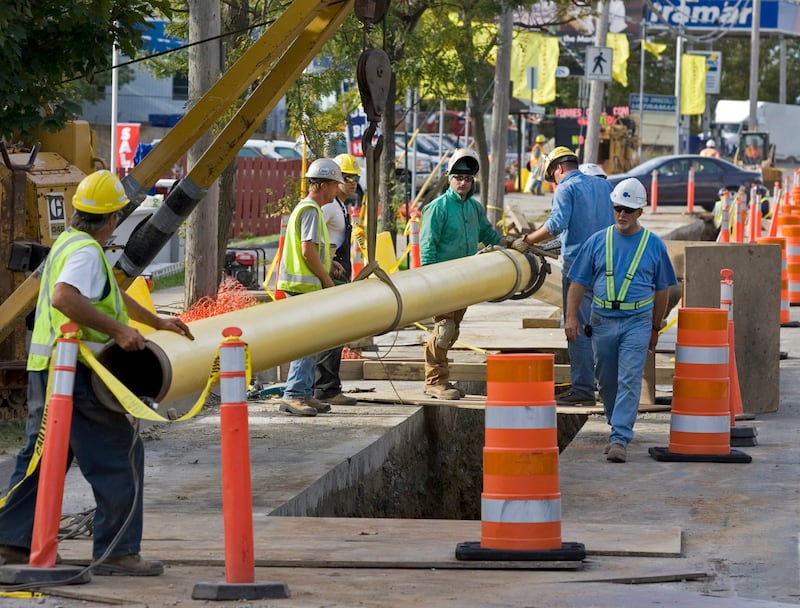
He says many Nova Scotians continue to leave the province for work in places such as Ontario and Alberta.
“My goal is really to create enough economic opportunity at home, so the choice that makes the most sense is Nova Scotians to find employment at home,” he says.
Looking to past economic benefits
Nova Scotia’s offshore oil and gas industry ended after its two primary gas fields, the Sable Offshore Energy Project and the Deep Panuke Project, naturally dried up and closed in 2018.
Following that, global energy companies abandoned the region after spending millions on exploratory wells that failed to find commercial quantities of oil.
Still, MacLeod points to Nova Scotia’s previous offshore industry as evidence of its economic potential.
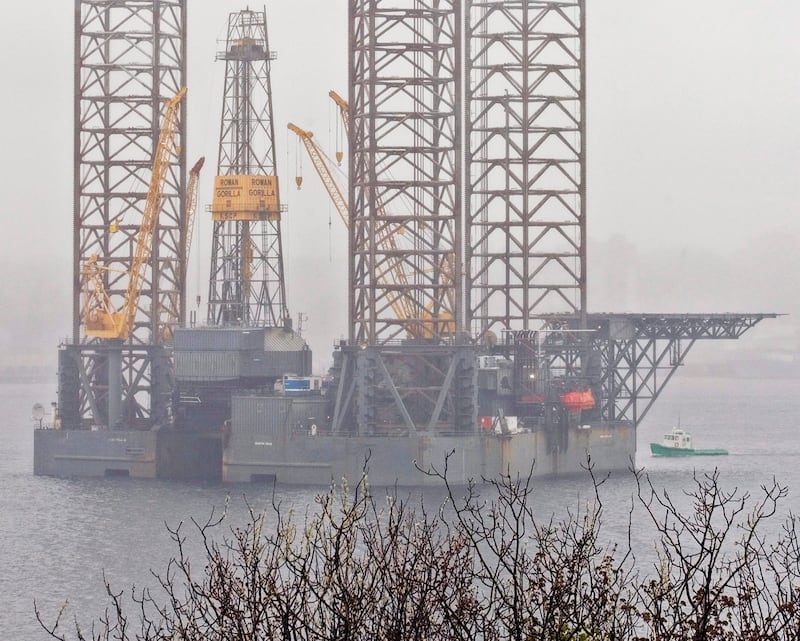
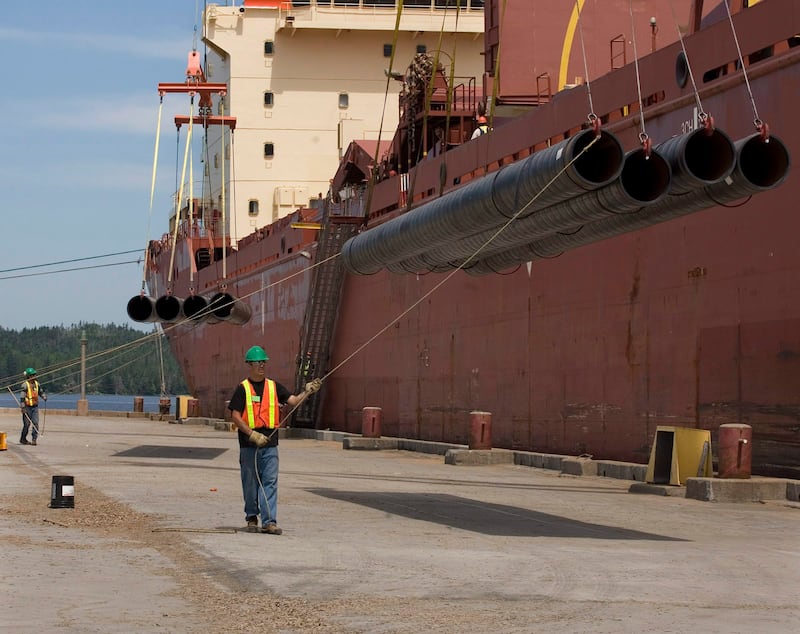
“If we look historically, offshore oil and gas, it generated $4.6 billion to the provincial government, including $2 billion in royalties, and then in our local economy it was another $4 billion injection,” he says.
He also argues that domestic natural gas production could help reduce energy costs because Nova Scotia currently imports much of its supply.
“We’re at the end of the pipeline, so we pay a premium for the natural gas that we import,” MacLeod says.
“If we generate it at home, not only does that mean employment and benefits to our local supply chain, but it also means a better price for Nova Scotians.”
While MacLeod did not provide projections for future government revenue or employment, he says development remains in its early stages.
He says the province is working with Dalhousie University on methods to develop natural gas safely and recently completed a call for bids that attracted offers on two parcels worth $210 million.
Natural gas seen as transition fuel
MacLeod says natural gas would also play a role in Nova Scotia’s transition away from coal-fired electricity.
“It’s part of our clean power plan,” he says.
Under the Nova Scotia Clean Power Plan, the province is legally mandated to completely phase out coal usage and reach 80 per cent renewable energy by 2030.
To support the shift, the newly formed Independent Energy System Operator (IESO) Nova Scotia recently approved fast-acting, gas-fired generation facilities designed to manage peak electricity demands.
“We’re quite lucky in Nova Scotia, we have a lot of wind, so wind energy will play a huge role, but we also need backup power, and that’s where natural gas can play a big role as we move towards renewables,” says MacLeod.
Investor interest growing, minister says
MacLeod says the province has been actively promoting its energy sector to investors in Western Canada, Europe and the U.S. after several years of limited industry attention.
“It’s been really positive,” he says.
“We went a few years where people weren’t looking at Nova Scotia, to be fair, so we had to get back out there.”
MacLeod says Nova Scotia estimates it has about 150 trillion cubic feet of offshore natural gas resources and as much as 50 billion barrels of oil available.
“So the opportunity is there, and we are open for business.”

