Lower oil prices may actually be driving the U.S. Iran war, instead of just reacting to it, says a geopolitical expert.
The price of oil is an independent variable in the ongoing conflict. While most investors naturally want to predict it using war as a catalyst, the opposite may be true, explains Marko Papic, chief investment strategist at BCA Research.
“I think oil prices are what are catalyzing kinetic activity,” says Papic, adding that oil prices are likely influencing how aggressively the two sides behave.
Papic says when oil prices fall to a level that is comfortable for the U.S. and Iran government, they have room to maneuver, which allows them to react to domestic political pressure, act tough and engage in ‘kinetic action.’
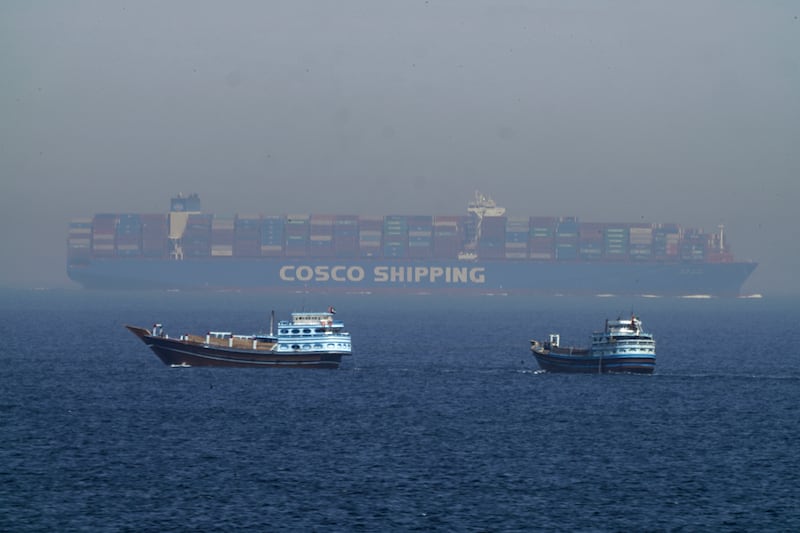
“But when oil prices get to an uncomfortable level, you start hearing them talk about going to Islamabad to figure out how to get vessels through,” he says, pointing to when Pakistan initiated its vessel transit agreement with Iran to allow 20 Pakistani-flagged vessels to sail through the Strait of Hormuz when Brent Crude hit a four-year high at US$126.
On the flip side, Papic points to a situation over two weeks ago when Brent Crude fell below US$70. It dropped to its lowest level since before the U.S.–Iran war, after concerns about oil supply eased and tankers began moving through the Strait of Hormuz again
“That made both sides pretty comfortable with going back towards aggression,” says Papic .
He expects that dynamic to reverse.
“As we get back to US$90 to US$95, you’re going to see both sides step off the gas,” says Papic.
A lower trading range
Papic says the conflict has created a potential trading range of between US$70 and US$95 per barrel for Brent crude.
That is lower than the US$95-to-US$120 range he associated with the height of the conflict, when investors faced greater uncertainty about whether the two sides could de-escalate and restore shipping through the Strait of Hormuz.
He says the earlier ceasefire and memorandum of understanding demonstrated that both sides were capable of reaching an arrangement.
Papic says the market was previously questioning whether Iran and the U.S. could “land the plane” and increase traffic through the key shipping route, despite damage to critical infrastructure in the Middle East.
“And the answer was answered with the ceasefire, with the Memorandum of Understanding (MOU). It’s already been done. Given that they’ve been able to land the plane once. I don’t see why they can’t do it again,” says Papic.
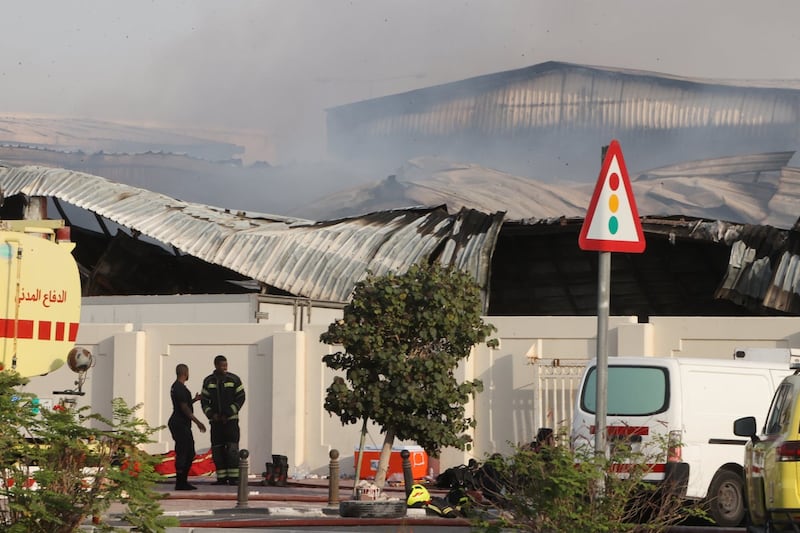
He says the experience has reduced the probability of a worse case scenario in the eyes of investors, but the worst case scenario is not completely off the table.
He highlights that the recent MOU only brought 40 per cent of the blocked oil traffic back online, leaving 60 per cent of the disruption unresolved.
And the U.S. has already depleted its Strategic Petroleum Reserves to combat price spikes, dragging it down to historic lows.
" We’re basically plumbing the bottom,” says Papic.
“So somebody listening to me right now, they’re like, ”Well, oil prices should then be higher. No, no, no, no. They should be lower because the constraints to conflict are greater.”
Hormuz traffic expected to recover
Papic expects traffic through the strait to begin recovering over the next two weeks, particularly as oil prices approach US$90 per barrel.
While traffic now has fallen to zero, he says some ships had continued moving through the route earlier while Iran and the U.S. exchanged missile attacks.
He also says gasoline prices had not fallen by as much as crude prices“ so the pressure on Trump remains.”
“We’re now, I think, pretty much at the peak of this Hormuz War 2.0, if we want to call it that, post MOU conflict,” says Papic.
El Niño could push wheat and cocoa prices higher
Papic also warns that a strengthening El Niño weather pattern could put pressure on agricultural prices, particularly wheat and cocoa.
“We think those two are going to go up the most,” says Papic.
He says wheat prices could create political and fiscal pressure in countries like Egypt and Turkey that rely heavily on imports and lack the financial resources to cushion consumers from higher food costs.
“If you’re Saudi Arabia, if you’re the United Arab Emirates, you sell a lot of oil, you have a current account surplus, you can accommodate this increase in prices, so you can deal with it,” says Papic.

