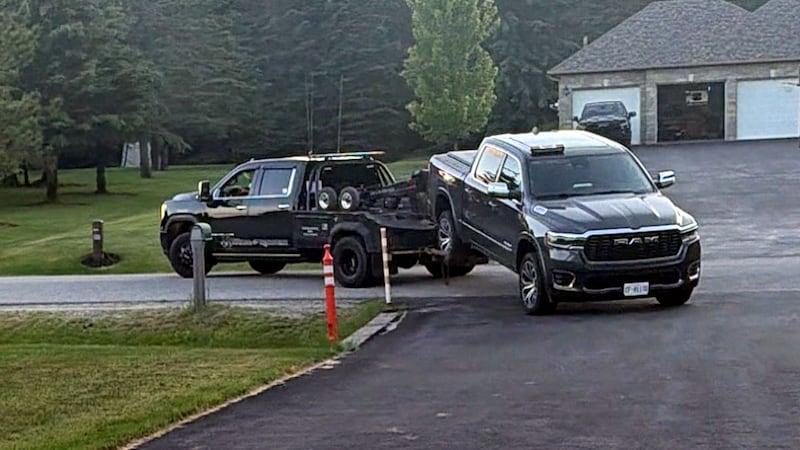
When Ashley Martin from New Lowell, a community near Barrie, Ont., bought his dream truck a 2026 Ram Tungsten, he had no idea the litany of problems the pick-up would have. Even though he paid $112,000 for the luxury truck, he says issues with the new vehicle happened the same day he drove it home when a service light came on the dash.
“The first problem was on the way home on the day of purchase,” said Martin.
The truck eventually broke down at a stop sign and had to be towed back to the dealership.
Martin said problems with the RAM were like “peeling back an onion,” with one problem being repaired, only to have another one crop up.
“They replaced catalytic convertors, they’ve replaced O2 sensors, they pulled the fuel tank, they put in a new fuel pump, they flushed the system. It was one thing after another,” said Martin.
While all the repairs are being done under warranty, Martin hasn’t had the truck in two months while it’s been in the repair shop, and is concerned it’s a defective “lemon vehicle.”
He doesn’t want it back.
“I just want a new truck. I just want what I paid for. That’s all I want,” said Martin.
There is a troubling trend with new vehicle sales in Canada, and a W5 investigation has found many brand-new cars are being sold that have ongoing, serious problems that dealers can’t seem to repair.
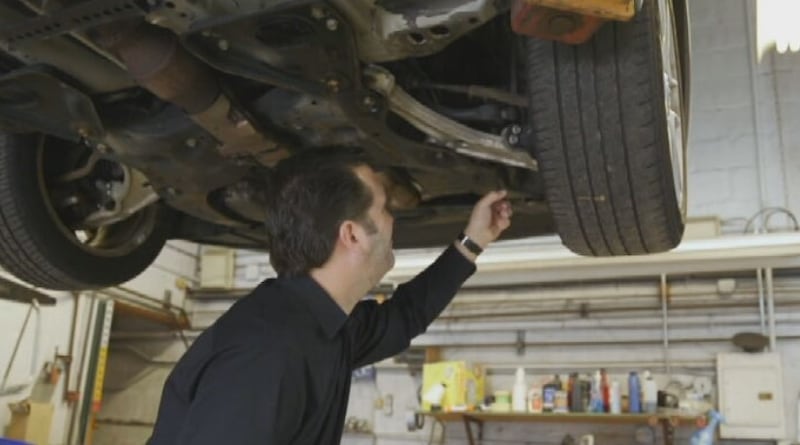
Part of the reason is the huge amount of technology in vehicles, such as computer codes and sensors. When things go wrong, it’s not always easy to determine what the issues are, and there are limited mechanics with the expertise to diagnose the problems.
South of the border, there are lemon laws in all U.S. 50 states to protect consumers when a vehicle can’t be repaired in a reasonable amount of time. But that is not the case in Canada.
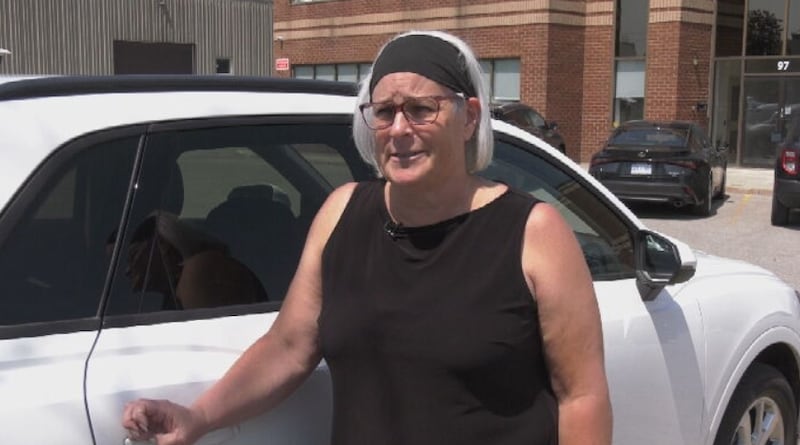
W5 also spoke with Marie McAlpine of Georgetown, Ont., who leased a new 2025 Audi S5 that she says has been nothing but trouble since she got it.
“it’s been in the shop now for 149 days,” said McAlpine. “I had an engine-system malfunction, and the engine shut down on the 401 at highway speeds. It was terrifying.”
McAlpine said the car has software and senor problems, and she’s been making lease payments for five months on a car she can’t drive.
“I would like to get out of this lease, but it doesn’t look like it’s going to be an option,” she said.
W5 also heard from Xuejian Chen of Oakville, Ont., who leased a 2026 Volkswagen Tiguan. The vehicle has been in the repair shop a total of 172 days with various problems, including a failed turbo charger and malfunctioning air conditioner.
Chen said he had to cancel his summer holidays and has found it frustrating not getting answers on when he could get the car back.
“This has been very stressful to deal with this issue. It’s very frustrating, and you feel helpless, because no one can help you,” said Chen.
Rosemary Shahan is the founder of Consumers for Auto Reliability and Safety (CARS), and she is also known as the mother of U.S. lemon laws, as she helped create one of the first lemon laws in California, leading to similar legislation in all 50 U.S. states.
While there are differences between states, the general principle is that manufacturers must buy back or replace a vehicle if they can’t repair a problem after three of four attempts, and the car is out of service for 30 days.
“The lemon laws in the U.S. do help a lot of consumers. There are massive quality problems and complaints are shooting up,” said Shahan.
Shahan added: “people work hard to buy these vehicles, and they should be able to trust the auto manufacture to stand behind the product.”
Car Help Canada, a non-profit consumer advocacy group, said while Quebec brought in a lemon law three years ago, every province in Canada could benefit.
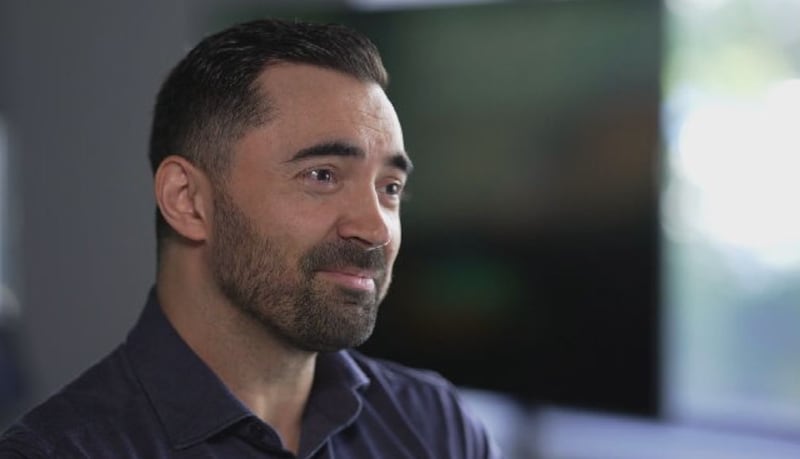
“The simple answer is: Yes, a lemon law would force the manufacturer to take responsibility (for lemon cars), and you can see why dealers would be in favour of this ,” said Shari Prymak, senior consultant with Car Help Canada.
Prymak said while the U.S. has had this type of consumer protection for four decades, it’s encouraging to see Quebec become the first Canadian province to institute a lemon law.
“It doesn’t go far enough, but it’s definitely a step in the right direction that other provinces need to follow,” said Prymak.
Prymak said a survey done by Car Help Canada found support for introducing a lemon law in the respondent’s province was 95 per cent positive.
When asked if lemon laws would help improve warranty repair outcomes for dealers and customers, 72 per cent of those asked said yes.
When Canadians do get stuck in a case with a defective vehicle and a dealer, they can use the services of the Canadian Motor Vehicle Arbitration Plan (CAMVAP).
According to CAMVAP, it’s a cross-Canada program consumers can use to resolve disputes with a manufacturer about defects in your vehicle’s assembly or materials, or how the manufacturer is applying or administering its new vehicle warranty. Disputes are then resolved through binding arbitration.
The process is free to use, and disputes are heard generally within three months.
However, Prymak said CAMVAP has limitations, as it can only deal with a limited number of cases per year and manufacturers can opt out of the plan, as it’s voluntary.
Shahan said Canadians should try to move forward with lemon laws in all provinces to benefit consumers.
“I’m hoping if Canada embarks on a lemon law, you can do even better then we did,” said Shahan. “I would encourage lemon owners to fight back and get organized.”
As for Chen, he just got his car given back to him after 190 days.
A spokesperson for Volkswagen told W5: “The vehicle in question was repaired and returned to the customer in the middle of last month. We regret that it took a while to get the part required for the repair, but trust that the customer is now happy with their vehicle.”
McAlpine told W5 she was able to reach a resolution with Audi concerning her issue.
“Audi Canada is committed to addressing all customer concerns,” a spokesperson for Audi told W5. “Our customer experience is of the utmost importance, and we take any concerns that they share with us very seriously. We are committed to the highest level of customer experience, and we encourage our customers to contact us directly for any individual concerns.”
As for Martin, a RAM spokesperson said the company was looking into his case, however Martin told W5 that RAM agreed to take back his pick-up truck and provide him with a brand-new one.
“Thanks CTV News for everything you did, and hopefully this can help anybody else that has to go down this avenue,” he said.
Martin said provincial lemon laws could give Canadians protections that Americans already have. W5 has reached out to provincial governments across the country to see if they are in favour of a lemon law, and hope to investigate this further in a future report.

