Tom Mulcair served as leader of the federal New Democratic Party from 2012 to 2017. He is a political commentator for CTV News and a columnist for CTVNews.ca.
Quebec voters wanted change. They also wanted to avoid the referendum being promised by the Parti Québécois, the likeliest replacement option on offer.
Monday night’s vote gave them both.
The PQ was handed a minority government, which lasts on average 18 to 24 months. Its promise to hold a referendum in two years became, in one fell swoop, highly implausible given its minority status, after having captured just 28 per cent of the popular vote.
In a remarkable turn of electoral fortunes, the CAQ that had governed Quebec for eight years, was unceremoniously dumped after having won zero seats despite receiving 13 per cent of the vote.
In contrast, the other separatist party, Québec Solidaire (QS), won nine seats, and the balance of power, even though they received only 12 per cent of the vote. Co-leader Ruba Ghazal ran an energetic and focused campaign that attracted the support of progressives in general and younger voters, in particular.

Ghazal will have to play her cards wisely, lest she fall victim to the type of drubbing that the NDP went through after its leader, Jagmeet Singh, contrived to lend his unwavering support to Justin Trudeau’s minority Liberal government.
Conservative breakthrough
The Conservative Party of Éric Duhaime marches into the national assembly with 19 seats, the first time the party has elected anyone to the provincial legislature since 1936. A remarkable feat.
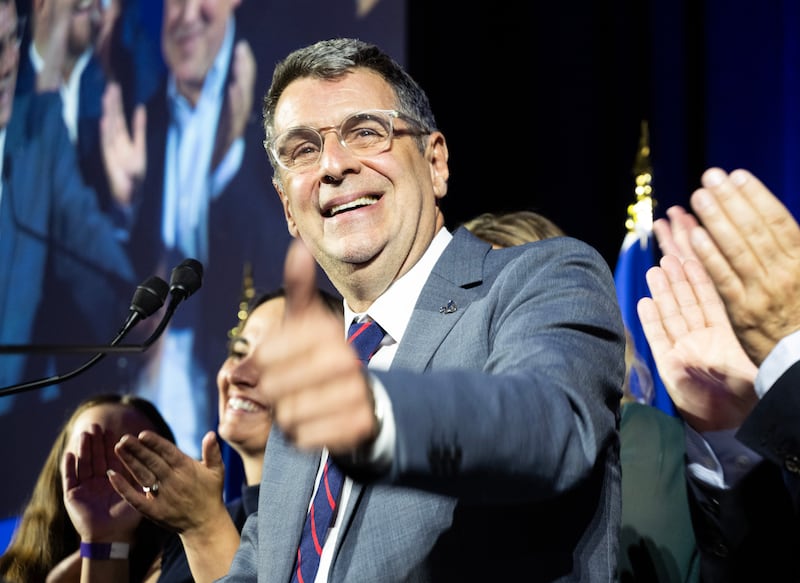
They ran the table in the Quebec City area but also managed to win in several regions outside the capital. They ran on a campaign of reeling in the province’s bloated bureaucracy and uncontrolled spending, which makes their election, by voters who work for that government, even more noteworthy.
Rebuilding the Liberal brand
After a messy start to the campaign, untested Liberal leader Charles Milliard romped to the finish line with a superb haul of forty seats and official Opposition status.
He, too, managed to broaden his party’s base. The Liberals had been beholden to a small coterie of mostly Montreal-based members of the national assembly, the only survivors from the previous election.
Their inability to understand Quebec outside of Montreal had hobbled the party for years. Francophones simply didn’t trust the Liberals to protect their language and culture.
Milliard now has many MNAs from the Outaouais to Quebec City, where a very strong candidate, Julie White, a lawyer and former head of the manufacturers and exporters association, won the sole seat that didn’t go to the Conservatives.
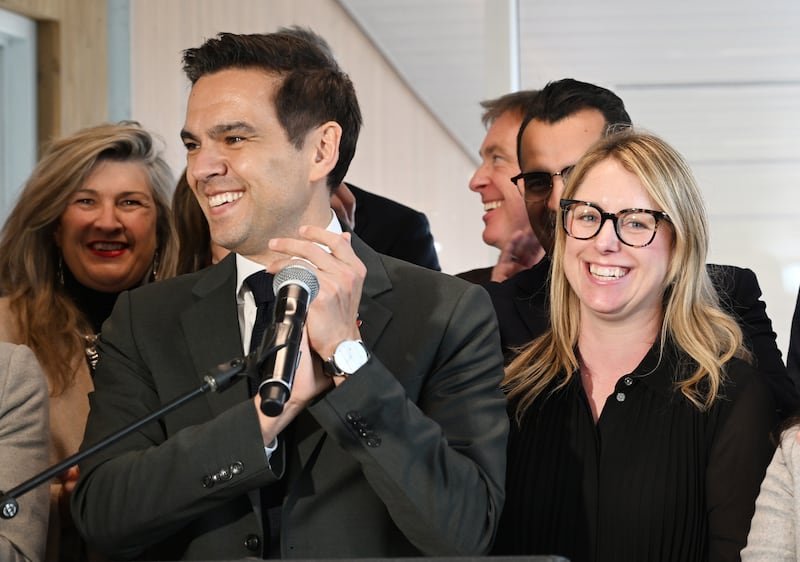
Other new members, including Antoine Charest, the son of the former Premier Jean Charest, and Sacha Cannon, son of former Conservative minister Lawrence Cannon, will be the tip of the Liberal lance as they prepare for the next election.
A big sigh of relief went up across the province with the result. It remains to be seen whether the inexperienced PSPP is actually able to govern Canada’s second largest province instead of trying to pull it out of this great country of ours.

