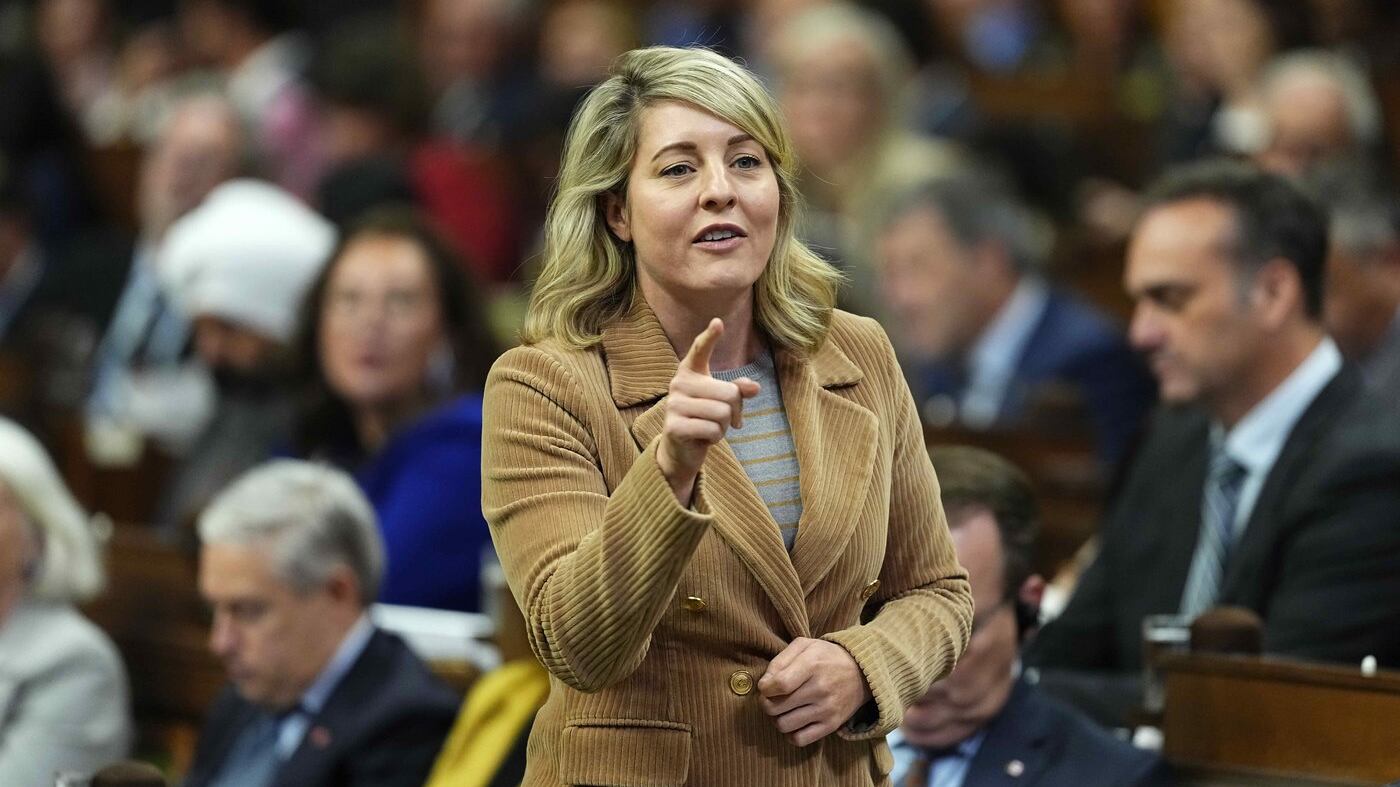
Industry Minister Mélanie Joly says new federal investments announced Friday are a first step toward reducing the Canadian aluminum sector’s dependence on the United States.
Joly, who is also the minister responsible for economic development in Quebec, made the comments in La Baie, Que., where she announced more than $193 million in federal funding for projects at four Rio Tinto facilities in the Saguenay-Lac-Saint-Jean region and at the Alouette aluminum smelter in Sept-Îles, Que.
“The aluminum industry is much more than an economic driver. It is also a strategic industry for our country and for Canadian sovereignty,” the minister said in her speech.
Citing the economic upheaval caused by tariffs and the unpredictability of the American government, Joly said that “in this new context, we must be able to produce more of what our economy needs right here in Canada.”
She also said the funding is a first step toward strengthening the Canadian aluminum supply chain.
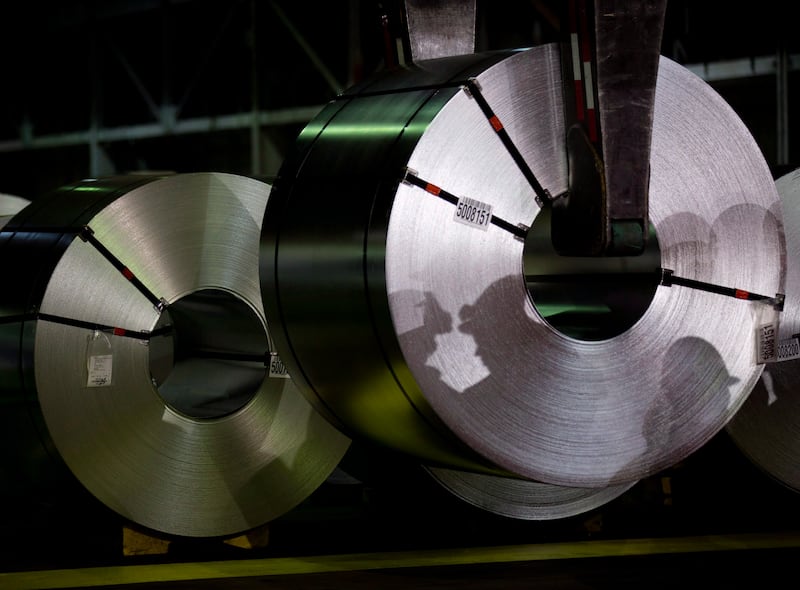
Joly pointed out that the price of aluminum products are inflated first by tariffs when they enter the United States and a second time when that aluminum returns to Canada.
The United States imposes a 50 per cent tariff on Canadian aluminum, and since Sept. 8, Canada has imposed a 50 per cent tariff on processed aluminum from the United States, resulting in a total surcharge of 100 per cent.
The Canadian tariff imposed in March 2025 was 25 per cent before Sept. 8.
Joly stressed that the government sees aluminum as a strategic sector for the Canadian economy and that she sees the importance of building rolling mills in Canada.
“It’s not normal that most of our aluminum is processed in the United States and then comes back at a higher cost to our companies,” she said.
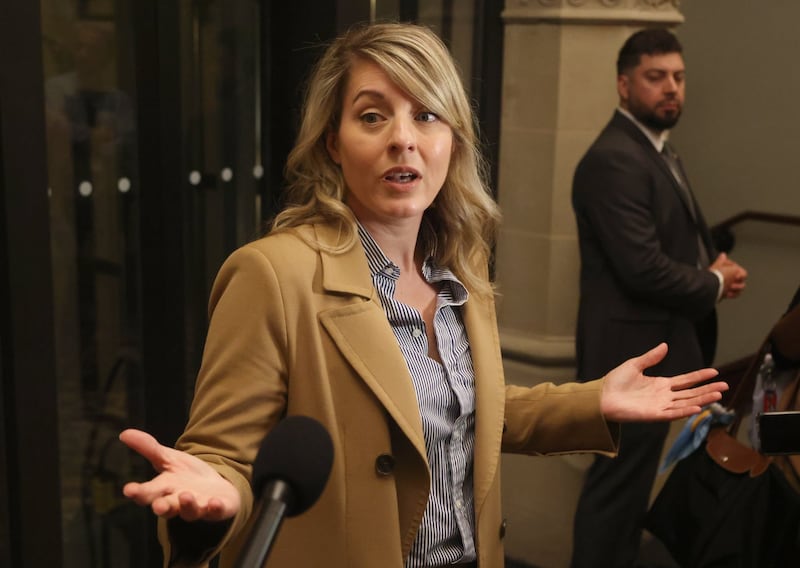
She said several sectors — including agri-food, beverages, and aerospace — need more processed aluminum and have rolling mill projects of their own.
“We want to be able to produce our aluminum cans here at home; we want to be able to produce our aircraft and aerospace parts here at home; and we also want to attract key investments in aluminum processing for our defence sector,” Joly said.
On top of providing financial support to producers, she said the government also wants to work with entrepreneurs interested in developing these rolling mills and take on equity stakes.
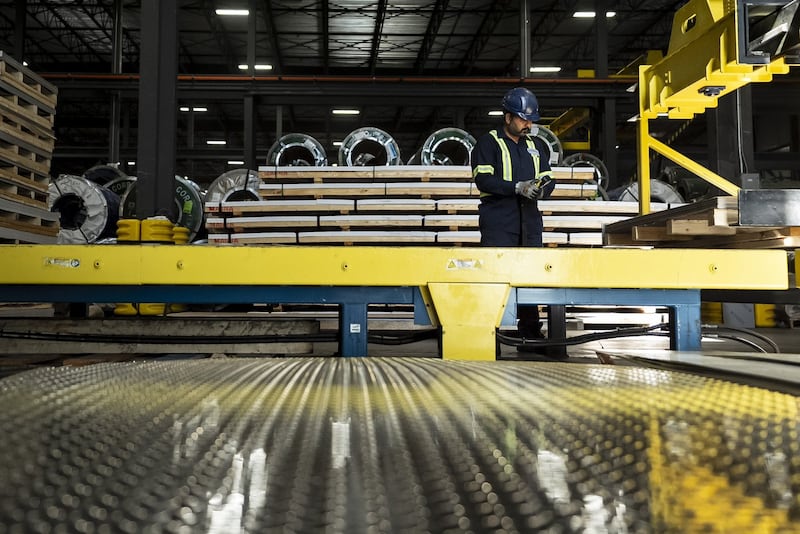
Ottawa also wants “to be able to offer procurement contracts, certainly defence-related ones, for key components in the aerospace sector, precisely to create a business model that makes sense for a rolling mill,” Joly stated.
“Economic sovereignty isn’t something you proclaim, it’s something you build.”
Canada has nine primary aluminum smelters, eight of which are located in Quebec. The other is in British Columbia.
This report by The Canadian Press was first published Oct. 23, 2026
Pierre Saint-Arnaud, The Canadian Press

