A Vancouver Island First Nation is taking the federal government to court, alleging Ottawa failed to properly consult its members before declaring a proposed oil pipeline a project of national interest.
W̱JOȽEȽP (Tsartlip First Nation) filed an application for judicial review in Federal Court on Oct. 30, challenging the designation of the proposed Pacific Link pipeline under the Building Canada Act.
The application alleges the government rushed the consultation process, provided insufficient information about the project and failed to adequately consider its potential impacts on the First Nation’s treaty rights.
At the heart of the challenge are Tsartlip’s rights under the 1852 North Saanich Treaty, which protects its members traditional fishing rights.
The First Nation says the proposed pipeline’s marine shipping route would pass through traditional fishing waters and harvesting areas around the Fraser River Delta and Strait of Georgia.
According to the court filing, federal officials consulted with Tsartlip between July 2 and Sept. 18, 2026. During that time, the First Nation says it repeatedly requested more information but received only general details about the project.
It also alleges Ottawa provided insufficient funding and imposed timelines that did not account for the community’s capacity to participate, including cultural and fishing activities during the summer.
Tsartlip submitted its concerns on Sept. 18, warning that consultation had not been adequate. Less than two weeks later, on Oct. 1, the federal government designated the pipeline a project of national interest.
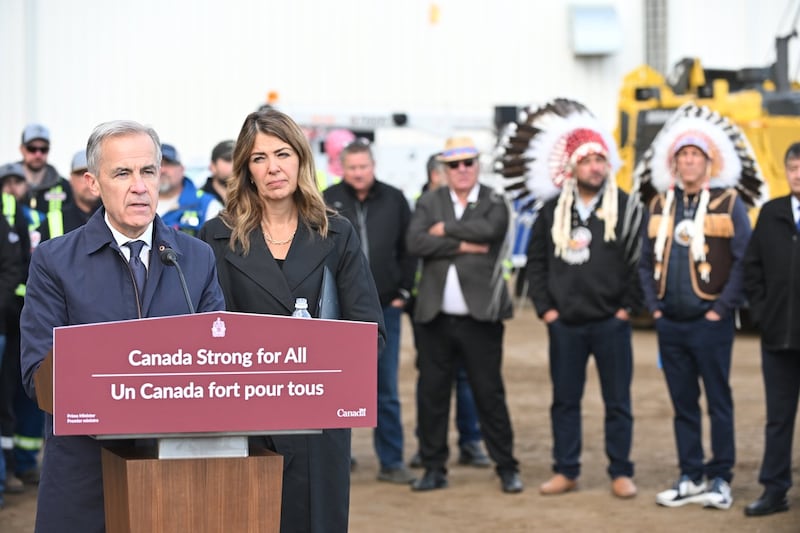
Chief Curtis Olsen (TELX̱ILEM) says the decision puts the First Nation’s responsibilities to protect its traditional waters and future generations at risk.
“In 1852, the Crown made a promise in the Douglas Treaty that our people could continue to live from these waters as we always have,” Olsen said in a media release.
The designation has significant implications for how the project moves forward.
Under the Building Canada Act, certain federal authorizations are deemed to have been made in favour of the project once it receives national interest status. The legislation also allows exemptions from requirements under several federal laws, including the Fisheries Act and Impact Assessment Act.
Tsartlip argues that effectively moves key regulatory decisions ahead before the project has been fully developed or its impacts properly assessed.
The First Nation is also asking the court to rule that Ottawa must consult with it and obtain its consent before making another decision about the pipeline’s national interest designation.
The legal challenge also invokes the United Nations Declaration on the Rights of Indigenous Peoples and Canada’s legislation implementing it.
“The consultation and decision-making process happened in less than three months. That’s not efficient, that’s reckless,” said Adam Olsen (SȾHENEP), Tsartlip’s director of intergovernmental relations in a release.
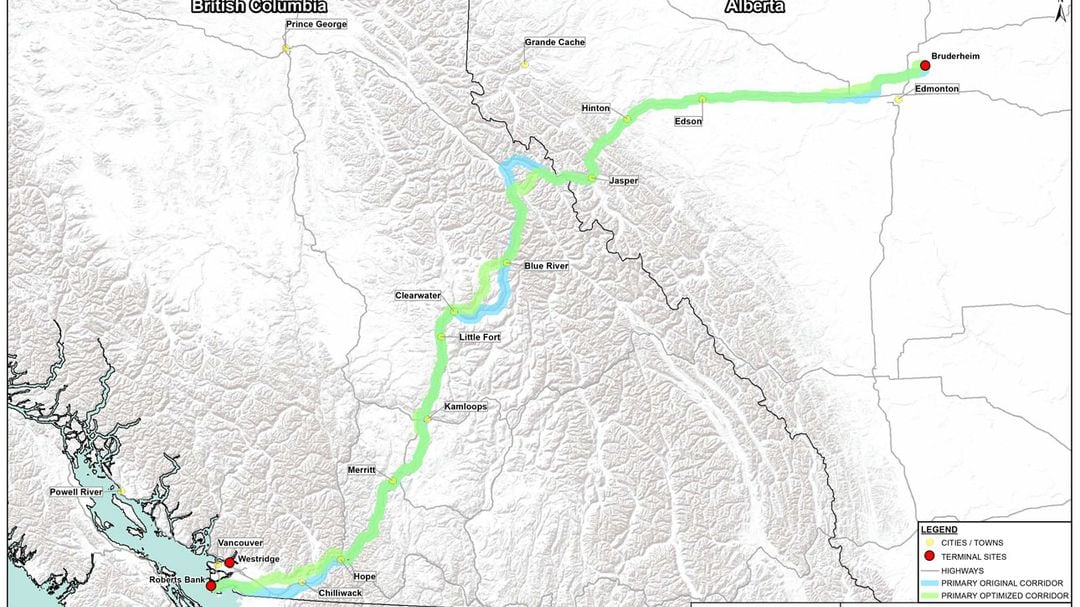
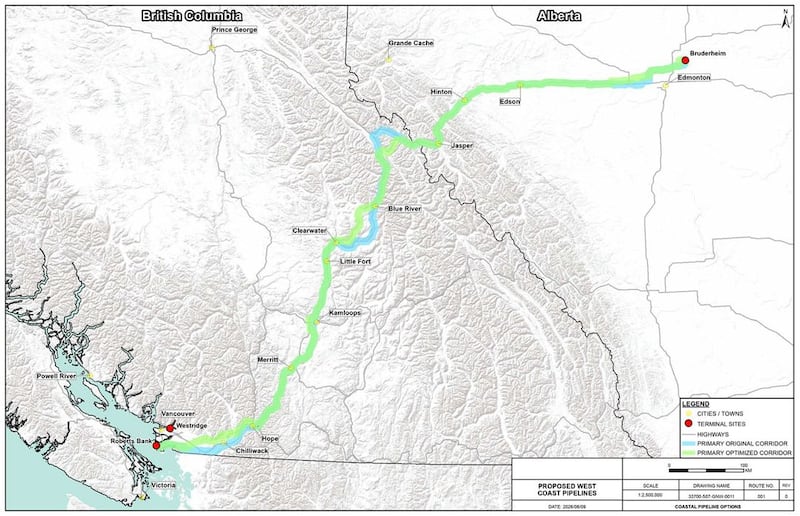
The proposed Pacific Link pipeline would transport approximately one million barrels of crude oil per day from Bruderheim, Alta., to a new export terminal and offshore loading facility near Delta, B.C. The proposed route would stretch approximately 1,200 to 1,250 kilometres.
The court challenge could have implications beyond this project. Roberts Bank Terminal 2 has also been listed for consideration under the Building Canada Act, while Bill C-39, currently before Parliament, would make the national interest designation process permanent and allow entire regions to be designated.
Cold Lake First Nation has also filed its own application for judicial review challenging the Pacific Link designation.
Tsartlip says the pipeline could still move forward through the usual regulatory process. Its challenge is focused on whether the federal government followed its legal obligations before making the national interest designation.
CTV News has reached out to Pacific Link, Trans Mountain Corporation, Pembina Pipeline Corporation and the office of federal Minister Dominic LeBlanc for interviews and comment on the legal challenge. This story will be updated as responses are received.
The Federal Court has not yet ruled on the application.

