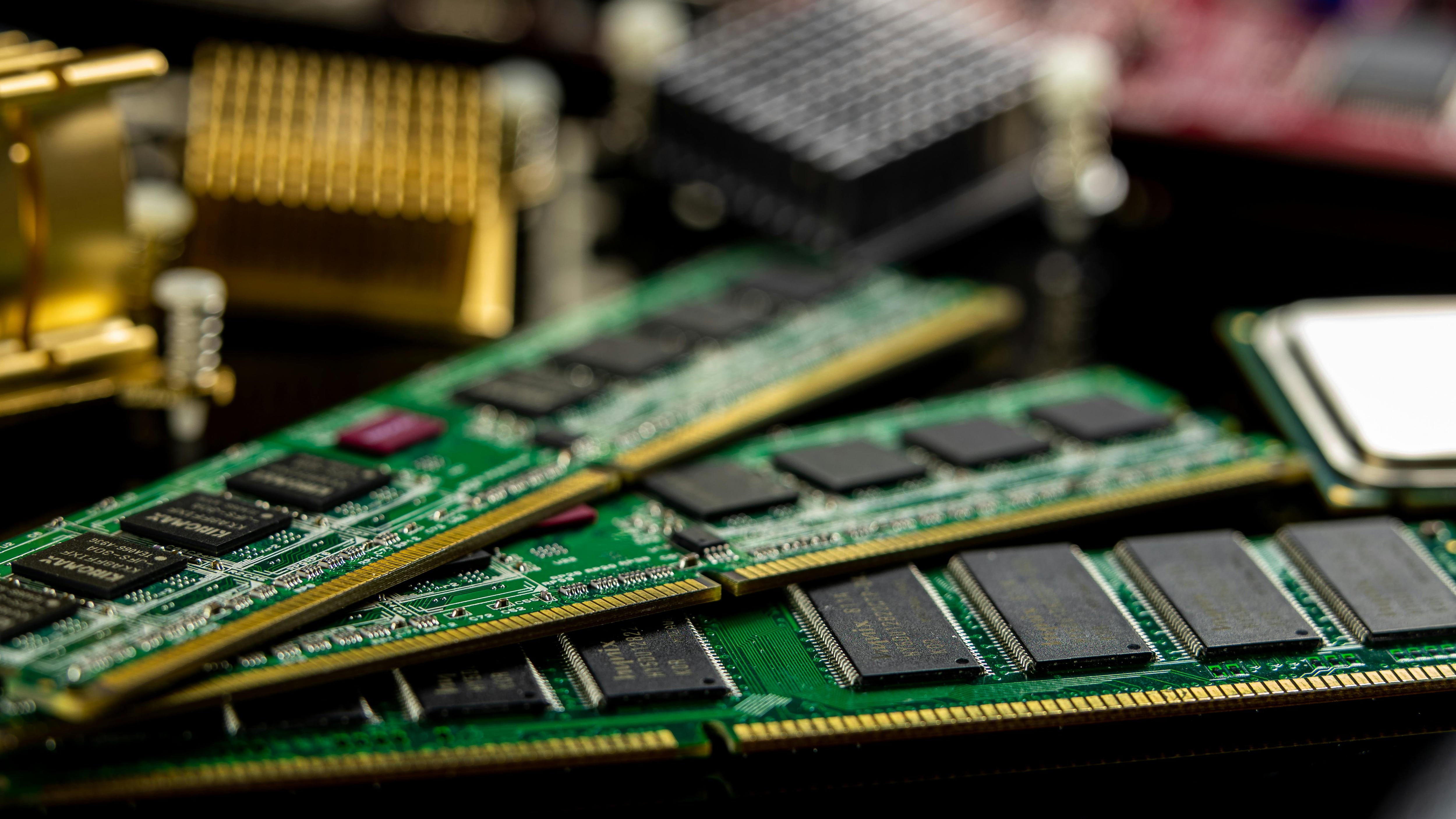
Soaring memory chip prices driven by massive AI demand risk stoking “chipflation,” Morgan Stanley analysts cautioned, as makers of devices from smartphones to PCs are forced to choose between raising prices and settling for thinner margins.
The brokerage said on Tuesday that memory chip prices have spiked six-fold in the past year, as manufacturers have struggled to keep up with Big Tech’s AI infrastructure spending spree and prioritized higher-margin data centre chips over those used in everyday devices.
“What began as an AI infrastructure bottleneck is now spreading into hardware margins, device affordability, cloud costs, inflation and policy,” Morgan Stanley said in a 66-page note, adding the crunch has “become a macroeconomic concern.”
To be sure, some chipmakers are building capacity, but the analysts said that would likely take years, given the cost and complexity of setting up new manufacturing plants.
Unlike past boom-bust cycles, the brokerage said the current surge could be a “durable supply-demand reset” as large cloud and AI companies lock up capacity through long-term agreements and other commitments, leaving traditional buyers scrambling for a smaller, tighter and more volatile supply pool.
While the direct impact on consumer inflation may be limited, the pressure is showing up across producer prices, corporate margins, cloud costs, capital spending and delays in rolling out new technology, the brokerage wrote.
Consumer electronics firms from PlayStation maker Sony Group 6758.T to PC giant Lenovo 0992.HK have already raised prices, while Big Tech has flagged billions of dollars in additional outlays from the memory price surge.
Microsoft, for instance, said in April that about $25 billion of its $190 billion in spending this year will come from higher chip prices.
Research firm IDC has estimated that both the PC and smartphone markets would shrink sharply in 2026, as rising prices dissuade potential buyers, especially in the lower segments.
“Memory producers benefit from stronger pricing, margins and visibility. Downstream hardware companies must absorb costs, pass them through, redesign products or risk demand destruction,” according to Morgan Stanley.
The report pointed to makers of dynamic memory chips such as Samsung Electronics 005930.KS, SK Hynix 000660.KS and Micron MU.O, which together control nearly 90 per cent of the global output and whose shares have more than tripled this year.
U.S.-China tensions over chips and export curbs are fragmenting supply chains and tightening supply, while subsidies offer little near-term relief as new capacity will take time, the brokerage said.
(Reporting by Kanishka Ajmera in Bengaluru; Editing by Sriraj Kalluvila)

