TORONTO — When Anthropic warned this week AI could soon spread itself through the smart devices in our homes, including robot vacuums and smart fridges, Nicolas Papernot wasn’t surprised.
The University of Toronto computer engineering professor has been sounding that alarm for months.
“We’ve known for a while now that AI enables a new form of computer worms,” Papernot told CTV News.
In June, his team published research showing AI can power self-spreading malicious software that adapts its attack to each device it finds. His team found it’s possible to download AI models off the internet and use them to build malware that can break into all sorts of devices, from laptops to cameras, and then spread.
Because older non-AI worms exploited a specific flaw, Papernot said, they could only spread to machines with that same weakness.

“Now, what one can do with AI is write software that adapts to each of the victim devices that the malware encounters,” he said.
“These devices are typically very poorly secured, because they were previously thought as sort of low-value targets,” he said of smart home gadgets. AI makes them possible targets, he added, either as a stepping stone to more sensitive devices or to boost computing power for attacks on critical infrastructure, such as hospitals.
Anthropic said small AI models may be “months away” from being able to copy themselves onto devices, such as “smart ovens and off-brand Android TV boxes.” Its researchers said such AI “could also figure out unfamiliar devices on its own” and would be hard to shut down.
What’s new in Anthropic’s work, Papernot said, is showing an AI model doesn’t need one powerful machine. It can be split across several cheap devices, such as smart TV boxes, that could work together to run it.
The warning came as France reeled from a major cyberattack.

Overnight Sunday, hackers took control of refrigeration systems at hundreds of supermarkets, forcing fridges and freezers into defrost mode. The owner of the Intermarché chain said fridges at many of its stores were heated to 50 C for six hours. One store manager said temperatures reached 80 C.
Losses are estimated in the millions of dollars. The attackers targeted controllers made by Danish company Danfoss. The company said the units were either too old to receive security updates or hadn’t been updated.
Nothing reported so far suggests AI was involved. But Papernot said the attack shows the economics of cybersecurity are changing. Devices that historically weren’t worth a hacker’s time, he explained, are now becoming much easier targets.
“We just can’t afford to be sloppy with our cybersecurity anymore,” he said.
On Tuesday, Papernot and other researchers released an open letter signed by more than 400 scientists, including Canadian AI pioneers Geoffrey Hinton and Yoshua Bengio.
The letter said AI capable of cyberattacks should be tested in an “air gap” environment, completely cut off from the internet until researchers understand what it can do. It also calls for an international watchdog to set safety standards and track security failures.
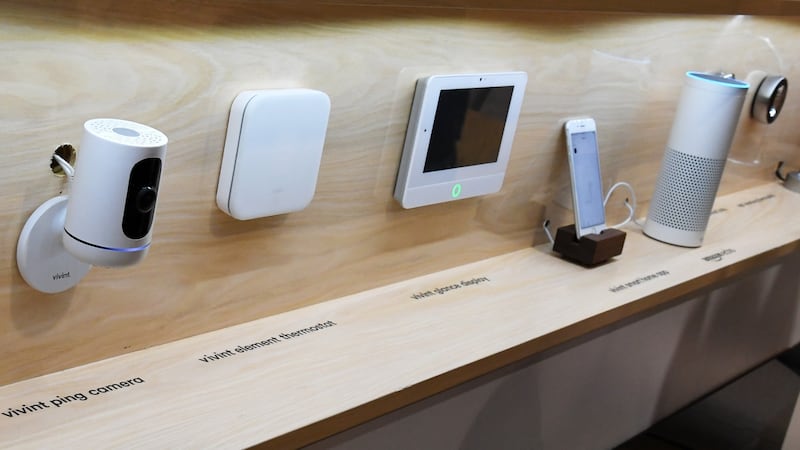
How to protect your smart home devices
While concerns about rogue AI agents have generated a lot of headlines lately, Papernot said he’s more worried about AI being used to attack critical infrastructure like power grids and water supplies.
He stressed there are simple steps people can take to try and protect their devices from AI-powered worms.
Two of his top pieces of advice? Stop reusing the same password for multiple services and keep all devices up to date.
As AI makes cyberattacks cheaper and easier to launch, keeping devices updated may matter more than ever. The window between a fix becoming available and a flaw being exploited “is becoming very, very short,” Papernot said.
“People have much less time to go and bring these devices up to date.”
With files from Reuters