One of the world’s top data centre destinations has some words of wisdom for Alberta as it seeks its own AI boom.
“The bill will come due if they’re not asking the right questions now,” says Juli Briskman.
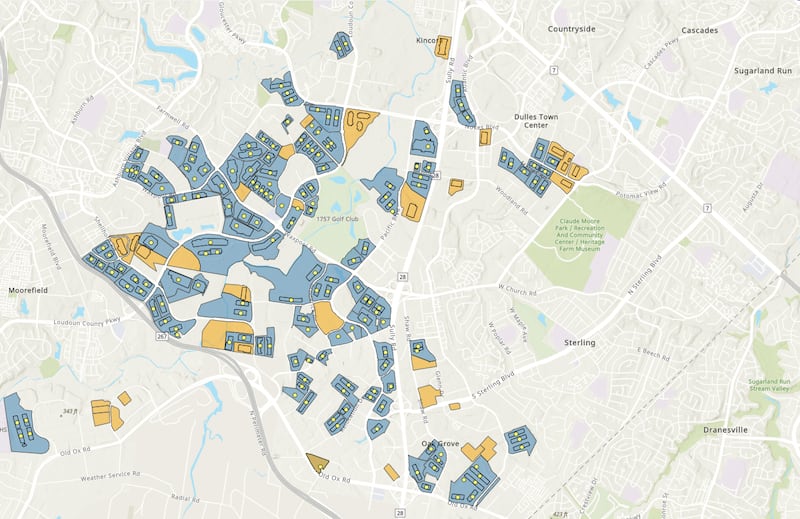
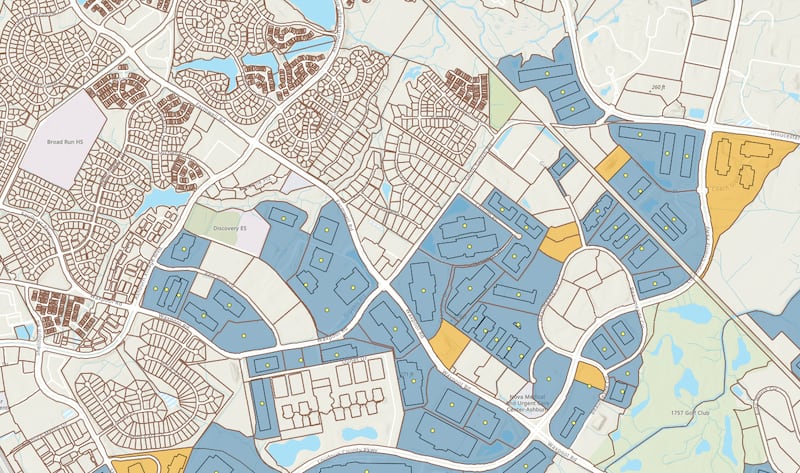
Briskman is a district supervisor in Loudoun County, Va., otherwise known as data centre alley.
It’s a region where the data centres are numerous and – in some cases – nestled right into the daily life of residents who pass them on the way to the post office, restaurants, health centres and schools.
Loudon became the epicentre of the industry’s development more than 25 years ago and is now reaping some of those rewards.
The county reports that its 233 data centres generated $1.2 billion in revenue in the 2026 fiscal year, representing 39 per cent of the county’s overall budget.
“They create great revenue, and it’s undeniable the amount of revenue that Loudoun County has been able to enjoy because of the data centre industry,” Briskman told CTV News Edmonton.
“But the scales have tipped to the point where the community is like, ‘Wait a minute, we’re seeing too many of these data centres.’”
The Government of Alberta has touted data centres as a way to capitalize on the province’s natural gas assets, turning the fuel beneath our feet into compute power – and cash.
“Natural gas is going to be foundational to underpinning the growth of data centre development, and we’re sitting on an ocean of it,” Premier Danielle Smith said in June.
The province wants to attract $100 billion in centres by 2030 and says it studied what went wrong elsewhere while creating the made-in-Alberta plan that includes requiring large centres to build their own power supply.
- New data centre will inject $250M per year into Alberta economy: Smith
- Meta data centre in Alberta to start up ahead of adjacent Greenlight power plant
For any centres planning on connecting to the grid, such as Meta’s Sturgeon County’s data centre, that means building a gas plant.
‘Pollution travels’
That requirement has raised concerns over emissions, with The Pembina Institute estimating that the Meta project alone could generate about 10 per cent of Alberta’s total electricity emissions once its power plant is online.
- Why renewables are being left out of Alberta’s data centre power plans
- Meta data centre could drive up Albertans’ power bills: report
A recent study from Loudoun County found natural gas and diesel emissions from powering just one data centre there could be responsible for upwards of six premature deaths each year, as well as millions in dollars in health-related damages.
“It’s definitely causing pollution,” said study co-author Francesca Dominici, a professor at Harvard’s school of public health whose expertise intersects air pollution and artificial intelligence. “And, as we know, pollution travels.”
The study explains that long-term exposure to fine particulate pollution, even at levels allowed in the U.S., is associated with heart disease, stroke, respiratory illness, asthma, and premature death.
Alberta does not require Environmental Impact Assessments for data centres, with Environment and Protected Areas saying their components, such as power generation and water infrastructure, are already “well understood and regulated.”
Dominici said data centres need environmental assessments carried out by parties with no vested interest in the projects.
“It will be to (companies’) advantage to have a neutral party to say, ‘OK, the negative impact could lead to $5 million extra health-care costs, but then look, they’re giving you $10 million into a new school and things like that,” she explained.
Alberta’s officials have said protections are already in place, with the provincial environmental regulator having existing legally binding conditions on air quality, noise and light pollution.
“Alberta will, absolutely, have the highest standards for what responsible data centre development looks like,” Technology Minister Nate Glubish told media at the Alberta legislature.
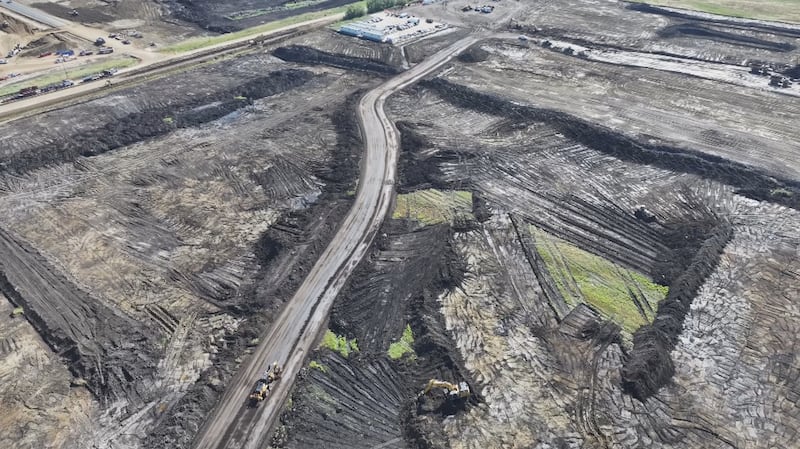
Briskman said Alberta needs to consider another problem her county is currently dealing with after the fact: what to do when a data centre is done.
“When big corporations come in and all they care about is making money, they aren’t worried about the people. They aren’t worried about the impacts they leave behind,” she said.
“Your communities need to be demanding that local government have regulations, have zoning policy and decommissioning rules in place … like, yesterday,” she added.
CTV News Edmonton reached out to Glubish’s office for more information on what plans there are in place for decommissioning data centres but did not receive a response by deadline.
The Government of Alberta created a concierge program to help fast-track data centres in the province and interest in the province has surged since.
The Alberta Electric System Operator reports requests for power for data centres has increased from five gigawatts in 2024 to more than 20 at the end of 2025.
According to the Alberta Data Centres map, there were 41 large-load connection applications awaiting approval as of July.
With files from CTV News Edmonton’s Nicole Weisberg

