Starbucks is kicking off the holiday gifting season early with a dose of nostalgia and cuteness.
The coffee giant has teamed up with Japanese company Sanrio for a Starbucks and Hello Kitty collection, launching Nov. 6 across Canada and the U.S., a partnership that arrives amid a period of restructuring for the company and rising industry costs.
The limited-edition lineup includes themed mugs, water bottles, tumblers and a plush Hello Kitty red-bow doll wearing Starbucks’ signature green apron.

The stainless steel tumbler also features her furry friend Tiny Chum with the seasonal tagline: “Together in Fun Forever.” Prices in the collection range from $36.95 to $50.95.
Retail analyst Bruce Winder said that Hello Kitty is an “interesting brand with a very large following in Southeast Asia and some following in North America.”
However, he doesn’t know how it will perform.
“It’s not cheap merchandise,” Winder told CTVNews.ca in an Zoom interview Tuesday. “They have to position it in concert with the way they position coffee, which is premium.”
“It gives their customers another something to look at,” he added.
In terms of brand benefit, Winder says the exposure is likely to tilt in one direction.
“I think Hello Kitty will benefit a little more than Starbucks, because Starbucks is already a household name,” he said. “They’re not quite as big and not quite as ubiquitous as Starbucks.”
A bright launch in a challenging year
The Hello Kitty partnership comes amid Starbucks’ US$1 billion restructuring effort led by CEO Brian Niccol. The plan includes store closures, with the coffee chain’s overall U.S. and Canada store count expected to drop by one per cent, or several hundred stores, by the end of the 2025 fiscal year.
Niccol, who took over as CEO in August 2024, said the Seattle-based company would end the fiscal year with nearly 18,300 total Starbucks locations — company operated and licensed — across the U.S. and Canada. This compares to the 18,734 locations disclosed in a July regulatory filing.
Winder says the current Starbucks fiscal landscape is a “company-specific issue.”
“They probably expanded too quickly and they’ve done that a few times. When the economy gets a little rough, they have to sort of pare back a bit on their number of shops,” he added.

In Canada, two Starbucks locations in Waterloo, Ont. served their last cup of coffee last week as customers were greeted with closure signs taped to doors.
Meanwhile in Ottawa, nine stores are listed as “permanently closed” on Google, as of Sept. 25.
In a statement to CTVNews.ca last month, Starbucks Canada said they were further reducing non-retail headcount and expenses.
“This includes the difficult decision to eliminate approximately 900 current non-retail partner roles and close many open positions,” a Starbucks spokesperson said.
Winder says that companies like Starbucks struggle when people go through tough economic times, whether it’s unemployment or inflation, because “it’s one of the first things people cut out.”
“People think, ‘Do I really need that $3 or $4 Starbucks? Can I go to a cheaper place? Or can I make my coffee at home?‘” he said. “So it’s a real uphill battle.”
Winder also pointed to staffing shortages and unprofitable locations as ongoing challenges.
“Certain locations weren’t conducive to what Starbucks calls being the ‘third place’ in your life — the place after home and work.”
Whether this collaboration will move the sales needle, Winder says not significantly.
“It’s more of an add-on sale,” he said. “(It’s)sort of something to get back in the social conversation.
Coffee costs rising across the industry
The timing of Starbucks’ restructuring coincides with wider price pressures across the coffee sector. Winder says Starbucks isn’t the only one feeling the heat.
Tim Hortons recently announced it will raise its coffee prices by 1.5 per cent per cup, marking its first adjustment in three years.
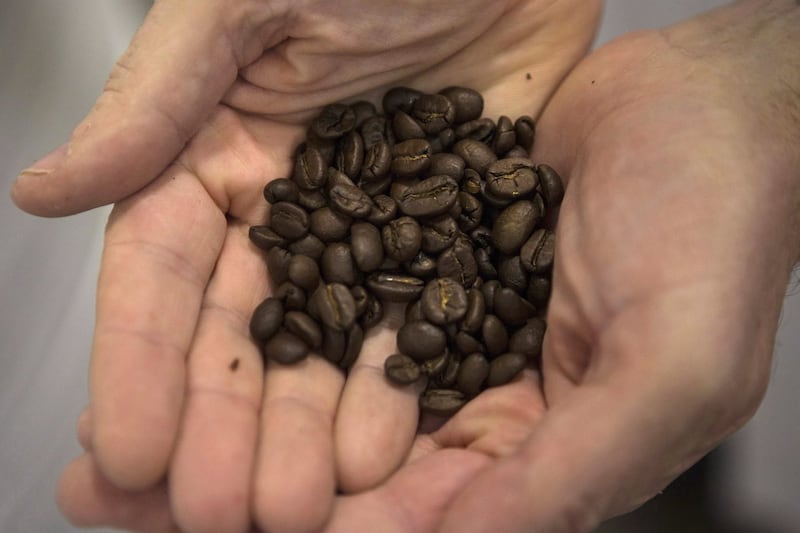
The price of coffee beans has more than doubled, Tim Hortons said. According to MarketWatch.com, the price jumped from C$2.21 to C$5.45 per pound over the last three years. The coffee chain said that the price hike would boil out to “an average of three cents per cup.”
“It’s an industry thing. They’re not the only ones who are increasing the price of coffee right now, input prices have went up,” Winder said.
“There is weather issues as it relates to crop yields, labour issues in countries that harvest coffee beans, transportation issues, operational issues at store level too. There’s a number of issues as to why retailers have had to increase coffee prices,” he added.
With files from Reuters, CTVNewsOttawa.ca’s Austin Lee, CTVNewsToronto.ca’s Joe Van Wonderen

