



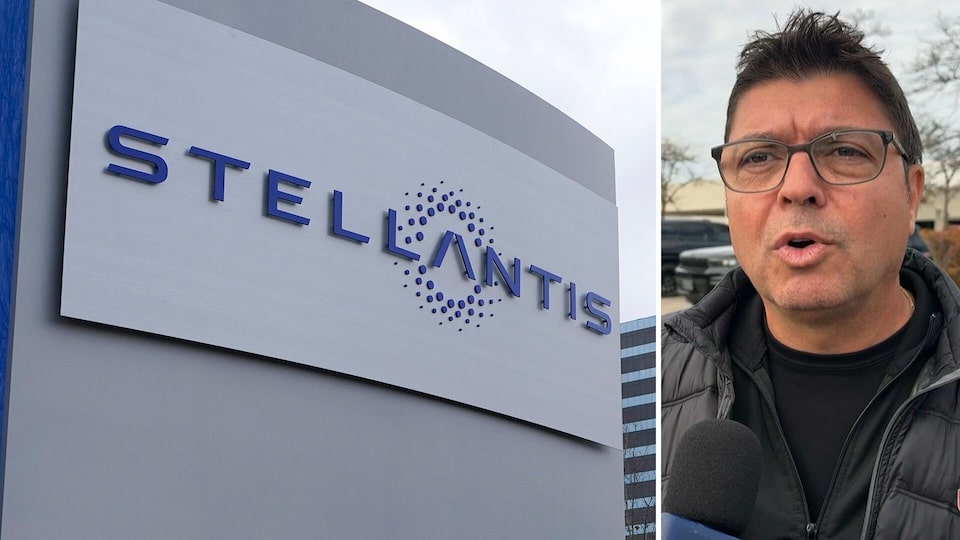



Less than 24 hours after automaker Stellantis announced that it is shifting production of the Jeep Compass from Ontario to the U.S., the federal government says it’s considering taking legal action against the company.
In a letter to Stellantis CEO Antonio Filosa, Industry Minister Mélanie Joly emphasized that Stellantis has “made important commitments to Canada and to its workforce.”
“Should Stellantis choose not to respect its obligations, we will act in the interests of all Canadians and hold the company to full account, and exercise all options, including legal,” the letter goes on to say.
Bloomberg was first to report on the threat of legal action.
On Tuesday, Stellantis announced it would be shifting Jeep production slated for its Brampton, Ont. plant to its Belvidere Assembly Plant in Illinois, creating 3,300 new jobs in the U.S. by 2027. The announcement was part of a US$13-billion investment by Stellantis to expand production in the U.S. over the next four years.
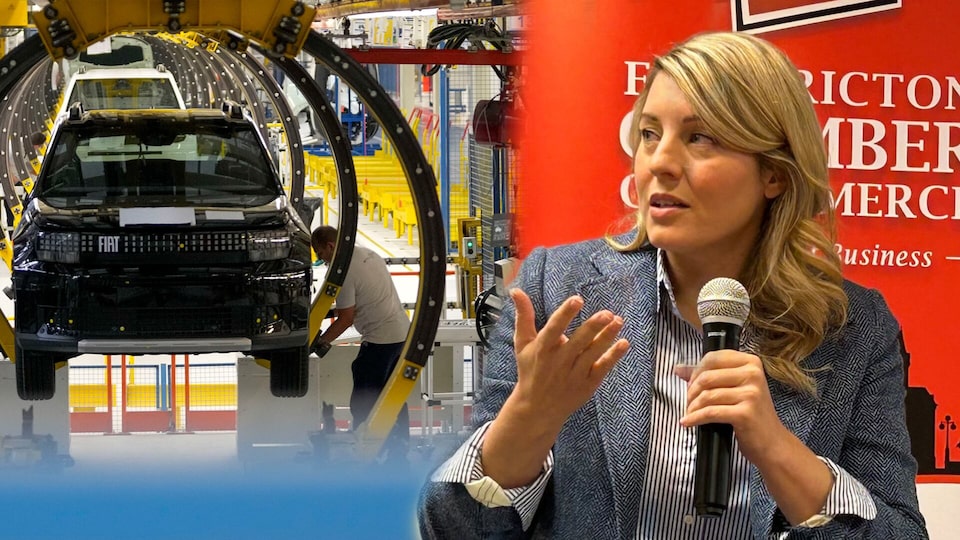
Speaking to reporters in Fredericton, N.B. on Wednesday, Joly said she spoke to Stellantis’ CEO the day before.
“We’ve invested millions of dollars in that facility based on the commitment that they would be investing in a new model,” Joly said to reporters. “And so that’s why, if they don’t do so, we’ll hold them to account.”

In 2022, Stellantis committed C$3.6 billion to retool the Brampton and Windsor, Ont. assembly plants to align with the company’s electric vehicle and battery development goals. Both the federal and provincial governments then committed C$1.4 billion for the upgrade, to total C$5 billion.
In her letter to Stellantis, Joly highlighted the funding provided to the company by both Ottawa and Ontario.
“Stellantis agreed with the Government of Canada and the Province of Ontario to maintain its full Canadian footprint, including Brampton, in exchange for substantial financial support,” Joly wrote.
“Anything short of fulfilling that commitment will be considered as default under our agreements,” she added.
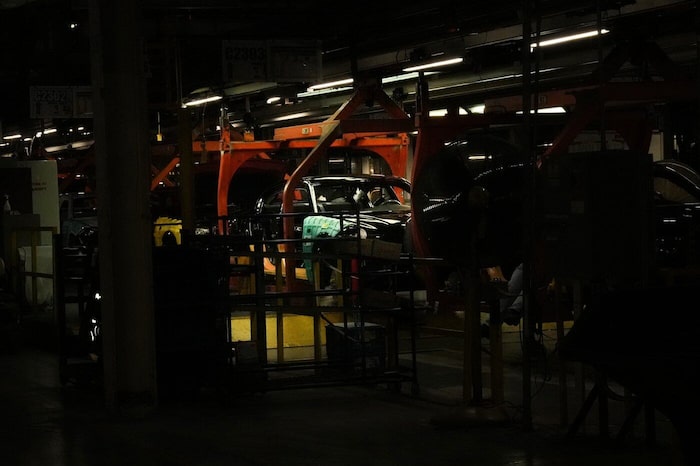
Work at the Stellantis plant in Brampton was put on pause in February amid threats from U.S. President Donald Trump to impose tariffs on Canadian goods. That work has not resumed. The automaker’s facility in Windsor, meanwhile, is still expanding to produce electric vehicle batteries.
Joly is also calling on the company to quickly “identify new mandates for Brampton that ensure the facility remains central” to the company.

Ontario Premier Doug Ford says Stellantis has given him assurances that the Brampton plant will continue operations in the future.
“I had a conversation with the president of Stellantis yesterday,” Ford said to reporters in Kenora, Ont. on Wednesday. “He said, well, they are going to postpone it for a year. They are going to find a new model.”
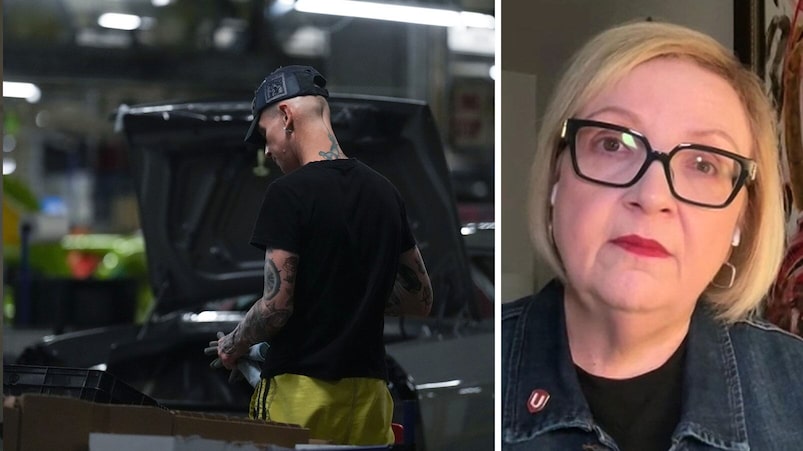
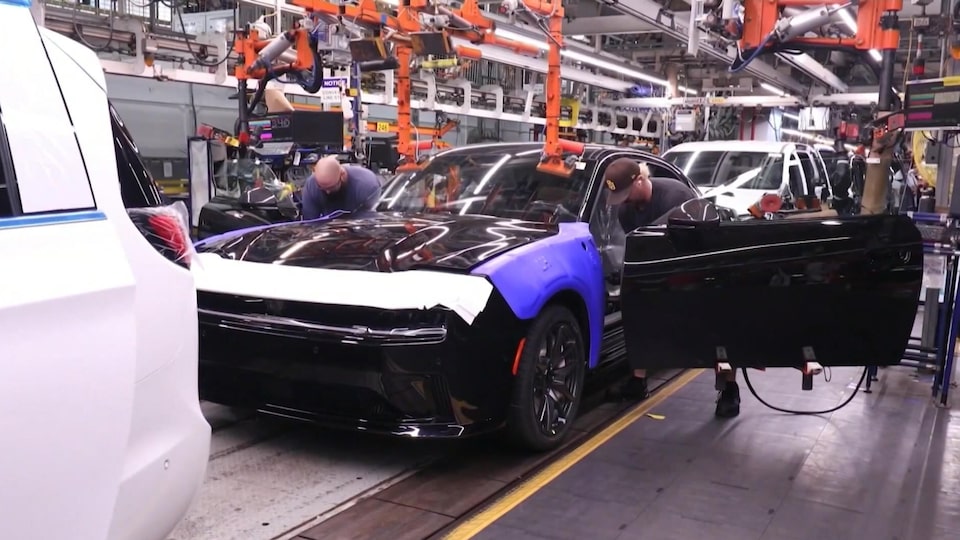
Ford also said there are plans to add a third shift in Windsor that would potentially allow 1,500 of the 3,000 impacted employees to transfer to that facility.
In a statement to CTV News Toronto, Stellantis said Canada is “very important” to the company, pointing to its 100-year history in the country.
“We are investing. We are adding a third shift to the Windsor Assembly Plant to support increased demand of all versions of the Chrysler Pacifica and the new SIXPACK-powered Dodge Charger Scat Pack and R/T models,” the company wrote.
“We have plans for Brampton and will share them upon further discussions with the Canadian government.”
Since his re-election, Trump has reiterated his desire to move vehicle production back to the U.S. to help revive manufacturing and provide more jobs for Americans.
Last week, U.S. Commerce Secretary Howard Lutnick dismissed any prospect of a comprehensive auto deal with Canada while speaking under Chatham House Rules at the US-Canada Summit hosted by BMO and Eurasia Group in Toronto.
Earlier this year, Trump imposed a 25 per cent tariff on all vehicle imports to the U.S., but made a carveout for the American-made parts of cars compliant with the Canada-U.S.-Mexico Agreement (CUSMA).
With files from CP24’s Codi Wilson and CTV News’ Spencer Van Dyk

