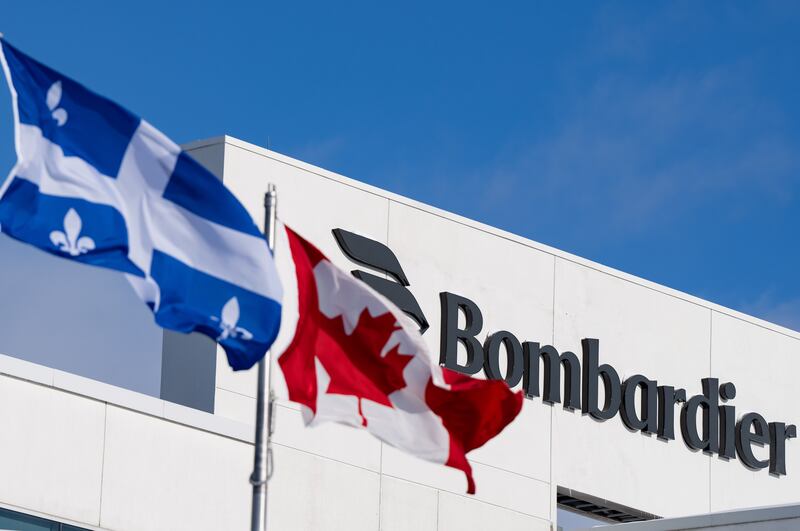
MONTREAL — In Bombardier’s home base of Montreal, U.S. President Donald Trump’s threats aimed at the aerospace sector landed with a thud.
The city is a global aerospace hub where one in 56 jobs is linked to the industry, and many politicians and business leaders, are bracing for impact.
“Everyone knows that there could be an impact in terms of jobs,” said Montreal Mayor Soraya Martinez Ferrada. “And yes, of course we’re worried about that … those conversations with Ottawa and the Quebec government is important.”
Aero Montreal is an industry association dedicated to boosting aerospace’s profile and competitiveness. It says the sector is the economic engine of the province, with tens of thousands of direct and indirect jobs.
“These are high-paying jobs, like well above the average salary that you see in the province,” Aero Montreal President and CEO Melanie Lussier said.
Bombardier is a crown jewel of the industry. Its deep roots in Quebec date back more than 80 years, when Joseph-Armand Bombardier invented the snowmobile. Bombardier launched its aerospace division in 1986.
It hit major turbulence starting in the mid 2000s, as its C Series aircraft faced challenges, which led to thousands of layoffs.
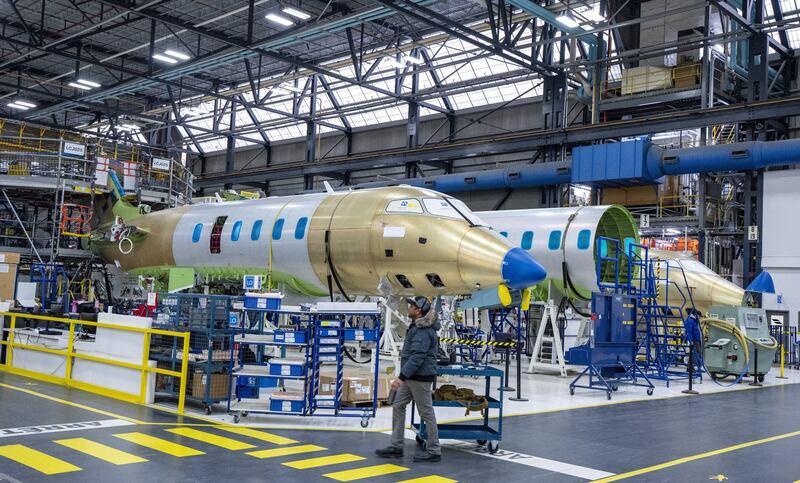
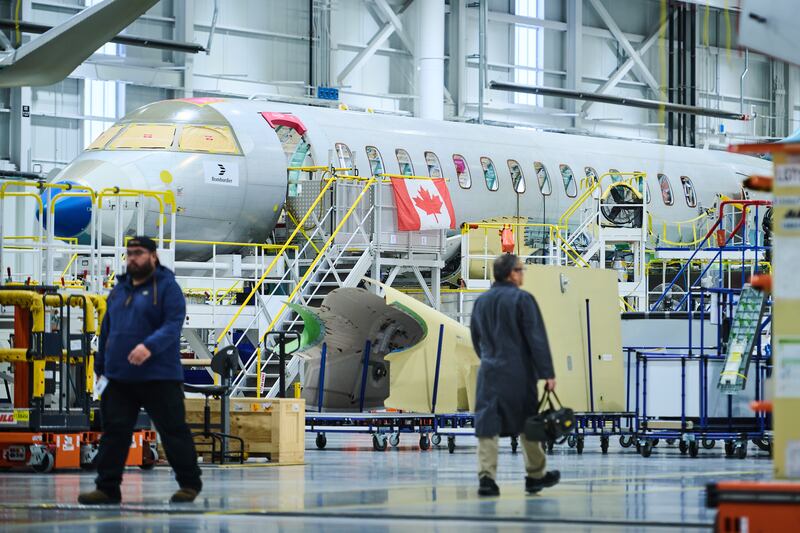
But it re-focused its strategy, and its business jet market has now taken off. Earlier this month, Bombardier announced it would enlarge its footprint in the Montreal area, with a new plant and the creation of more jobs.
Bombardier says it now employs 10,000 people in Quebec and more than 2,000 in Ontario. It also supports tens of thousands more indirect jobs across Canada.
After Trump released a post on social media Thursday night that threatened to decertify Bombardier’s aircraft from the U.S. market, as well as 50 per cent tariffs on all Canadian-made aircraft, the company released a statement that noted how it employs more than 3,000 Americans.
But most of the orders for Bombardier jets also come from the U.S., so if the threats become reality, many are concerned this could change the landscape. Some in the industry say the tariffs introduce uncertainty in an industry where stability is key.
“We want to reassure the public,” said Lussier. “The aerospace industry has been growing very fast, five per cent per year, year over year.”
And while industry leaders have been sending the message that not imposing tariffs is beneficial to both countries, they suspected a threat was likely to surface at some point.

