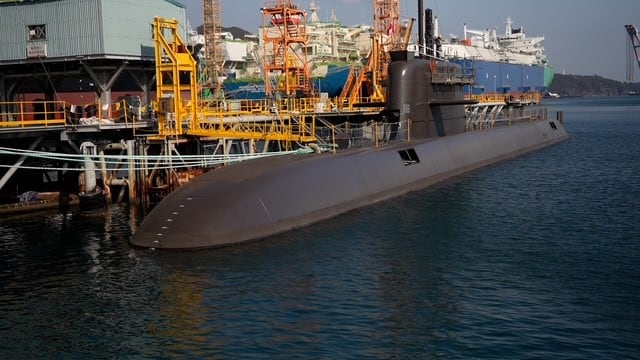
SOUTH KOREA -- Hanwha is planning to sail one of its advanced KSS-III attack submarines across the Pacific Ocean and dock it off British Columbia’s coast this spring, as the South Korean defence company competes for a lucrative federal contract to replace Canada’s aging submarine fleet.
The Republic of Korea Navy submarine is currently in dry dock at the Janae Naval Base, undergoing maintenance ahead of the two-month journey. The vessel is expected to surface off the B.C. Coast in late May.
The plan was confirmed to CTV News during a tour of South Korea’s southern naval base on Monday.
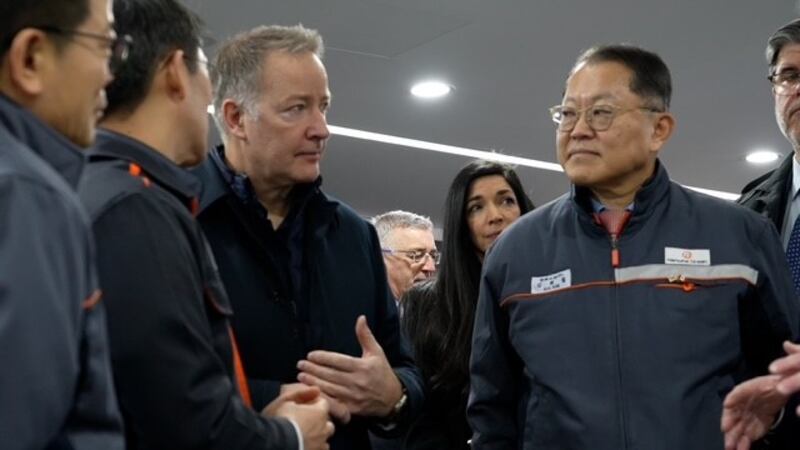
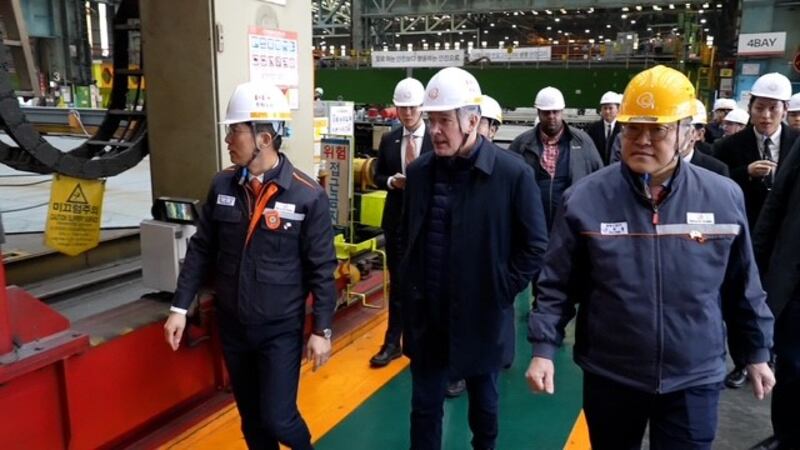
CTV News was in the country to report on a visit by Stephen Fuhr, Canada’s secretary of state for defence procurement, to Hanwha’s shipyard facilities.
During the tour, Fuhr walked through two Hanwha-built submarines, including one that rolled off the assembly line last October and is still undergoing testing. The other vessel is already in active service with South Korea’s navy.
CTV News was also able to follow Fuhr through the yet-to-be-certified KSS-III submarine, though security protocols prohibited the use of cameras or videos inside the vessel.
How the KSS-III compares to Canada’s subs
Unlike Canada’s current Victoria-class submarines, the KSS-III is capable of launching vertical missiles to strike targets on land, in addition to carrying multiple torpedoes on board. The 3,000-tonne submarine is about 50 feet in height and has room for 50 officers.
Fuhr found the Hanwha submarine “pretty incredible,” but said the federal decision would ultimately “come down to cost, timeline and economic benefits to Canada.”
Hanwha and its German rival, TKMS, are required to submit their final bids by March 2. Fuhr said the procurement of up to twelve submarines could become Canada’s largest-ever defence acquisition, though he declined to put a dollar figure on the project. The federal government expects to select a preferred supplier by the end of the year.
“We want to start creating jobs,” Fuhr said. “The infrastructure piece to this procurement is quite large and it’ll mean thousands of jobs on both coasts. (People) building the infrastructure over time to make sure we’re ready to go when the subs arrive.”
Both Hanwha and TKMS have been signing memorandums of understanding with Canadian partners in recent months to demonstrate industrial benefits tied to the project.
Last week, Hanwha pledged to invest in Algoma Steel by loaning the company $275 million to construct a new structural beam mill in Sault Ste. Marie, Ont., and buy an additional $70 million in steel. The agreement is contingent on Hanwha winning the submarine deal.
Algoma Steel’s new CEO, Rajat Marwah, was among a group of two dozen business executives that accompanied Fuhr on his visit to Hanwha.
In an interview, Marwah said that tariffs over the past year have significantly hurt the company, with roughly half of its U.S. business disappearing and contributing to layoffs of about 1,000 workers.
Marwah called the partnership with Hanwha “fundamental” to Algoma’s shift toward new products and said Canada’s military industrial strategy needs to move faster.
The speed and efficiency impressed representatives from Ontario Shipyards during their tour of Hanwha’s facilities. Vice-president Ted Kirkpatrick said about 45 ships roll of Hanwha’s assembly line annually. While the company employs roughly 31,000 people, only 10 per cent of welding is done by human hands, with most work completed using robotic technology overseen by human supervisors.
Kirkpatrick said Ontario Shipyards has signed an agreement with Hanwha to bring that technology to its Canadian plants – a move he said could transform domestic shipbuilding by shortening production timelines and enabling the construction of larger vessels.
The partnership, however, remains contingent on Hanwha being awarded the submarine contract, a decision that is still months away.

