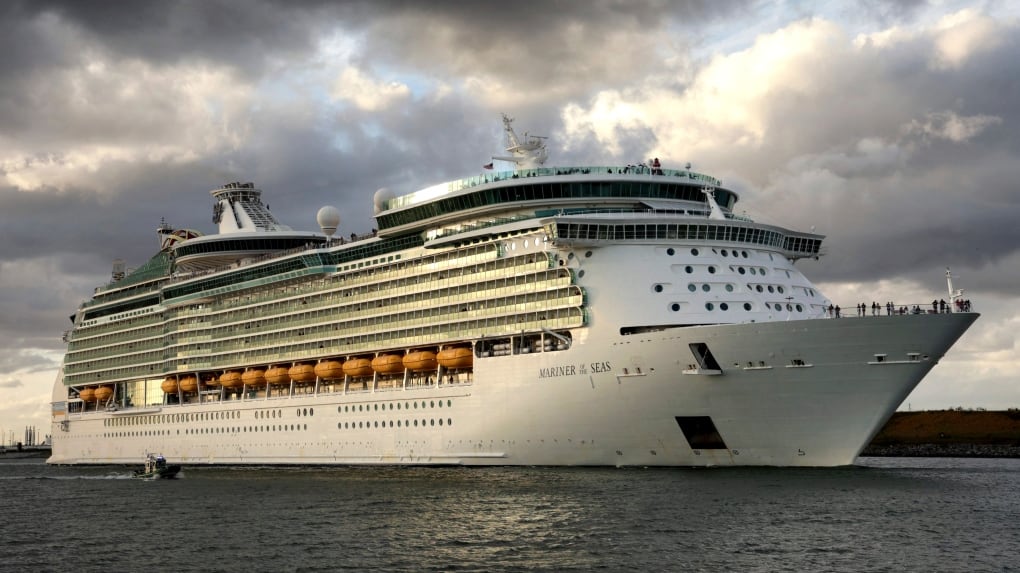
Royal Caribbean raised its annual profit forecast on Tuesday after beating quarterly estimates, sending its shares up 5 per cent, even as it factored in a modest hit to bookings due to the travel disruptions caused by the Middle East conflict.
Geopolitical uncertainty linked to the U.S.-Iran conflict has made some travelers wary of booking cruises, hurting demand for certain itineraries and adding to fuel-cost pressures for operators.
Royal Caribbean said bookings for some sailings, including Mediterranean itineraries, have been modestly hit, primarily in the third quarter.
“When you include a cruise plus the airfare (to get to the ports), it’s a little bit more costly (for American consumers),” CEO Jason Liberty said, adding travelers are either putting off their trips to next year or opting for the Caribbean instead of Europe.
While the cruise operator trimmed its revenue growth outlook to about 9 per cent from about 10 per cent, it raised annual adjusted profit to $17.73 to $17.87 per share, from its prior forecast of $17.10 to $17.50.
Demand from higher-income travelers has helped cruise operators like Royal Caribbean weather broader consumer caution, while strong pricing and onboard spending have helped offset pressure from higher fuel costs.
“Royal Caribbean could be relatively well positioned given the strength of its flagship brand and its above-average exposure to higher-income consumers...even if the macro environment becomes more challenging,” said Michael Gunther, analyst at Consumer Edge.
The Miami, Florida-based company reported a 27 per cent rise in quarterly fuel expenses to $355 million from a year earlier. However, it reduced its full-year fuel expense forecast to about $1.34 billion from its previous forecast of $1.35 billion.
For the quarter ended June 30, it earned $4.21 per share on an adjusted basis, compared with analysts’ estimates of $3.98, according to data compiled by LSEG.
Its quarterly revenue rose 6 per cent to $4.83 billion, beating estimates of $4.82 billion.
(Reporting by Sanskriti Shekhar in Bengaluru ; Editing by Tasim Zahid)

