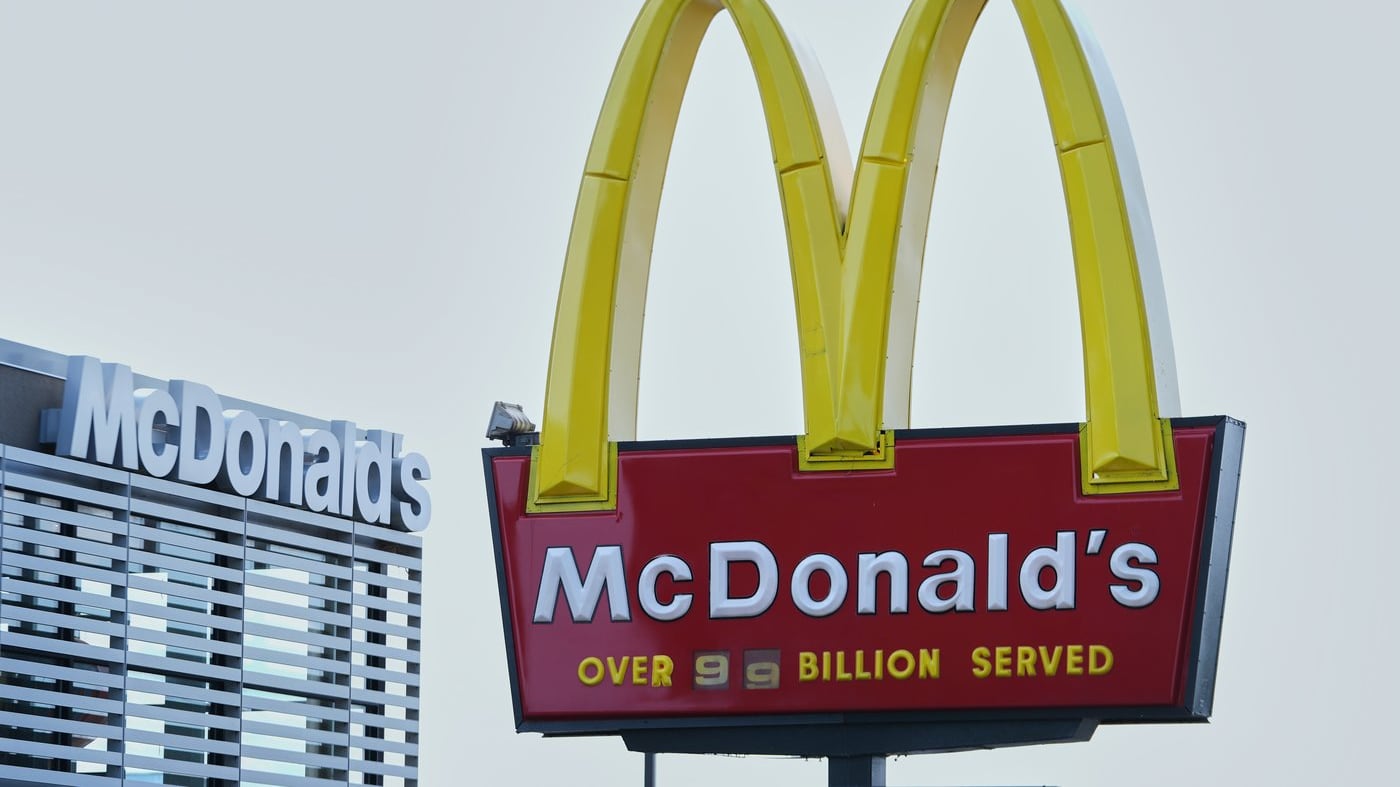
McDonald’s on Tuesday missed U.S. sales growth expectations for the second quarter, blaming execution lapses that blunted its value push aimed at lower-income consumers who have been cutting back restaurant spending.
CEO Chris Kempczinski said weak promotion of value deals and a pullback in digital deals, including its buy-one-add-one promotion, led to a drop in visits from loyal customers, which accounted for about two-thirds of the traffic shortfall in the quarter.
Comparable sales in the largest market for McDonald’s grew 0.8 per cent, below analysts’ estimates of a 1.06 per cent rise, according to data compiled by LSEG. The pace of growth in the U.S. was 2.5 per cent a year ago.
Higher prices for basic goods and fuel have left lower-income consumers, a key customer base for McDonald’s, with less money to spend on eating out.
“We don’t have a strategy problem, we simply didn’t execute at the level we needed to in the second quarter,” Kempczinski said on the earnings call.
NEW U.S. LEADER
In a push to revive growth in the U.S., McDonald’s named insider Skye Anderson to lead the business, replacing Joe Erlinger and betting on an executive with extensive experience across operations and international markets.
The appointment is a sign of management’s dissatisfaction with recent performance and could result in faster execution of sales and profit growth initiatives, Citi analysts said.
The company has begun restoring national digital offers, rolling out more targeted promotions for loyalty members and redirecting marketing spending to proven value platforms.
McDonald’s shares, which have fallen nearly 13 per cent this year, were marginally higher in early trading after the burger chain reported better-than-expected quarterly profit.
The softer demand also comes as a multistate cyclosporiasis outbreak tied to contaminated produce impact store visits to Taco Bell amid uncertainty about food safety.
McDonald’s expanded its McValue platform in April with a new under-$3 menu and a $4 breakfast meal deal, but executives said the offerings generated less incremental traffic than expected.
Sales of beverages improved as Kempczinski said the new beverage platform was running ahead of plan, lifting average spending per visit and drawing customers at new times of the day.
Globally, comparable sales rose 1.3 per cent, slowing from a 3.8 per cent jump a year ago. Sales in McDonald’s international operated markets segment, which includes major European nations, rose 1.5 per cent, down from 4 per cent a year ago.
Adjusted earnings per share increased to $3.38 from $3.19 a year earlier, beating expectations of $3.32.
(Reporting by Savyata Mishra in Bengaluru; Editing by Arun Koyyur)

