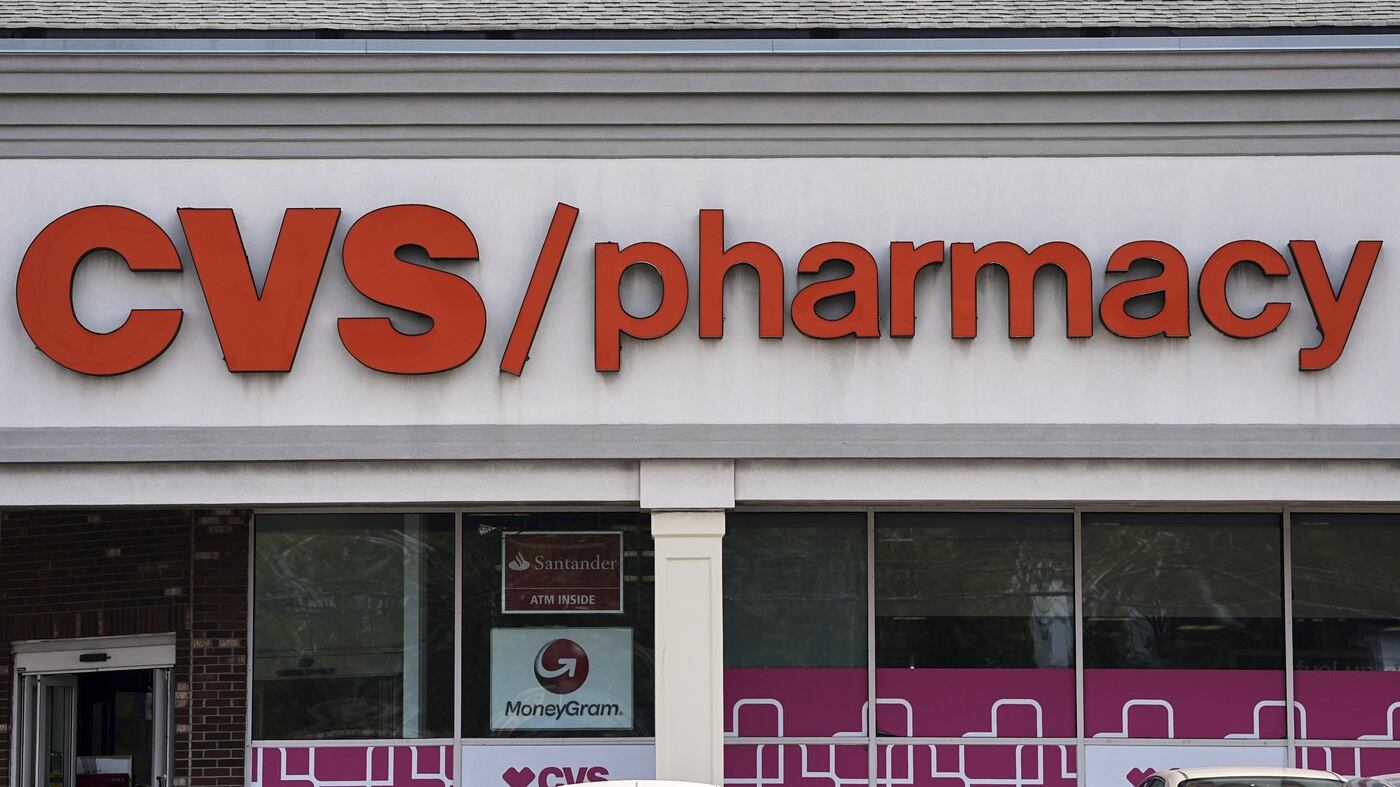
CVS Health reported better-than-expected second-quarter results on Wednesday, but its updated 2026 forecast and 2027 profit outlook appeared to underwhelm some investors, and its shares fell nearly 6 per cent.
The company increased its 2026 earnings forecast to $7.90 to $8.10 per share, raising both ends by 60 cents, which was less than the magnitude of the second-quarter beat, and set the new 2027 earnings bar of at least $8.44 per share.
“The guidance came in lighter than what the buyside was expecting,” said Stephanie Link, chief investment strategist at Hightower Advisors. For the second half of 2026, the range implies a single-digit growth rate, below Wall Street consensus, she said.
Hightower also pointed to concerns about possible pressure from medical costs and macroeconomics during the second half of 2026. CVS shares were down 5.8 per cent at $98.39 after falling almost 10 per cent earlier.
FIRST 2027 FORECAST
“While we would not normally comment on 2027 consensus this early in the year, an outlook of at least $8.44, consistent with current consensus, appears reasonable at this juncture,” CVS Chief Financial Officer Brian Newman said during a conference call with investors.
But analysts’ estimates for 2027 had not yet accounted for the large second-quarter beat announced on Wednesday that would typically lift their expectations going forward.
One major change coming for the company is in its Caremark pharmacy benefit manager business, which is moving away from its reliance on negotiating after-market discounts called rebates, leading to a possible change in profitability, said Morningstar analyst Julie Utterback.
CVS executive Prem Shah said the company’s pharmacy benefit manager expects to lose clients in 2027, as it took a more cautious approach to signing contracts.
“At this point in the year, we’re trending to a retention rate that’s slightly lower than our historical performance,” Shah said.
Caremark profit next year will be pressured by government regulations on discounted drug sales, Shah added.
This marks the seventh consecutive quarter that CVS has beaten Wall Street estimates, which has helped restore investor confidence, particularly in its Aetna insurance business, where it had missed targets for several quarters in 2024.
The company’s 2026 earnings forecast was up from its prior view of $7.30 to $7.50. Analysts expect full-year earnings per share of $7.45, according to LSEG data.
The quarter was driven by a more profitable mix of drugs in its pharmacy business and bonus payments for its highly rated government health plans. In the Medicare program for adults aged 65 and older, the government rewards plans with high ratings, called Star ratings, with bonus payments.
Aetna spent less on patients in the second quarter. Its medical loss ratio, or the percentage of premiums spent on medical care, was 87.4 per cent, down from 89.9 per cent a year ago and less than analysts’ estimates of 90.03 per cent.
OFFERING GLP-1 APPOINTMENTS
CVS also announced that its MinuteClinics, which provide walk-in and virtual care services, will offer $29 appointments for adults seeking weight-loss drug prescriptions for medicines including Novo Nordisk’s NOVOb.CO Wegovy and Eli Lilly’s LLY.N Foundayo and Zepbound.
For the quarter, CVS, which also operates a large retail pharmacy chain and one of the biggest U.S. pharmacy benefit managers, reported an adjusted second-quarter profit of $2.58, topping analysts’ estimates by 73 cents.
The second-quarter results were broadly in line with rival UnitedHealth, which lifted its forecast in July on improved medical cost controls, raising the bar for health insurers this earnings season.
Health insurers have faced persistently high costs for the last three years due to increased use of healthcare services. They have been raising prices, cutting benefits and pulling less profitable plans from the market.
(Reporting by Amina Niasse in New York, Christy Santhosh and Sriparna Roy in Bengaluru; Editing by Caroline Humer, Jamie Freed and Bill Berkrot)

