MONTREAL — The Middle East war cost CAE Inc. millions of dollars in its latest quarter, as the company navigates a “reset year” that will see it drastically reduce its global footprint in a bid to lower expenses, said chief executive Matthew Bromberg.
The CEO told analysts Thursday the conflict accounted for two-thirds of a striking drop in adjusted operating income in its civil aviation segment, or more than $11 million.
“The Middle East is causing disruption in fuel prices around the world, and that’s affecting some of our customers,” Bromberg said on a conference call, adding that he views the earnings hit as temporary.
“We’re able to work with a lot of our airlines to reroute their training, to put them in other facilities, but that has a cost as we move their training centres and sometimes instructors to other facilities.”
On the civil side — the larger of CAE’s two main divisions, with defence accounting for 45 per cent of segment revenue — adjusted income decreased nearly 14 per cent year-over-year to about $106 million in the quarter ended June 30, mainly due to the Iran conflict.
Soaring jet fuel costs caused by the closure of the Strait of Hormuz have pushed fares up and chipped away at travel demand, pushing carriers to shed lucrative — or potentially dangerous — routes and further depressing the need for pilot training.
CAE’s share price has dropped about 14 per cent since the start of the year — it fell five per cent on Thursday alone — falling in tandem with flight volumes and training demand.
As part of a broader transformation plan, Bromberg plans to drastically reduce the flight simulator maker’s global footprint by the end of the year, a process accelerated by the turmoil in the Persian Gulf.
He said the company will inhabit 1.7 million fewer square feet within a few years, a reduction of 17 per cent. Some 500,000 square feet will be shed from the civil segment by the end of June, he said, marking a more rapid retrenchment than previously announced.
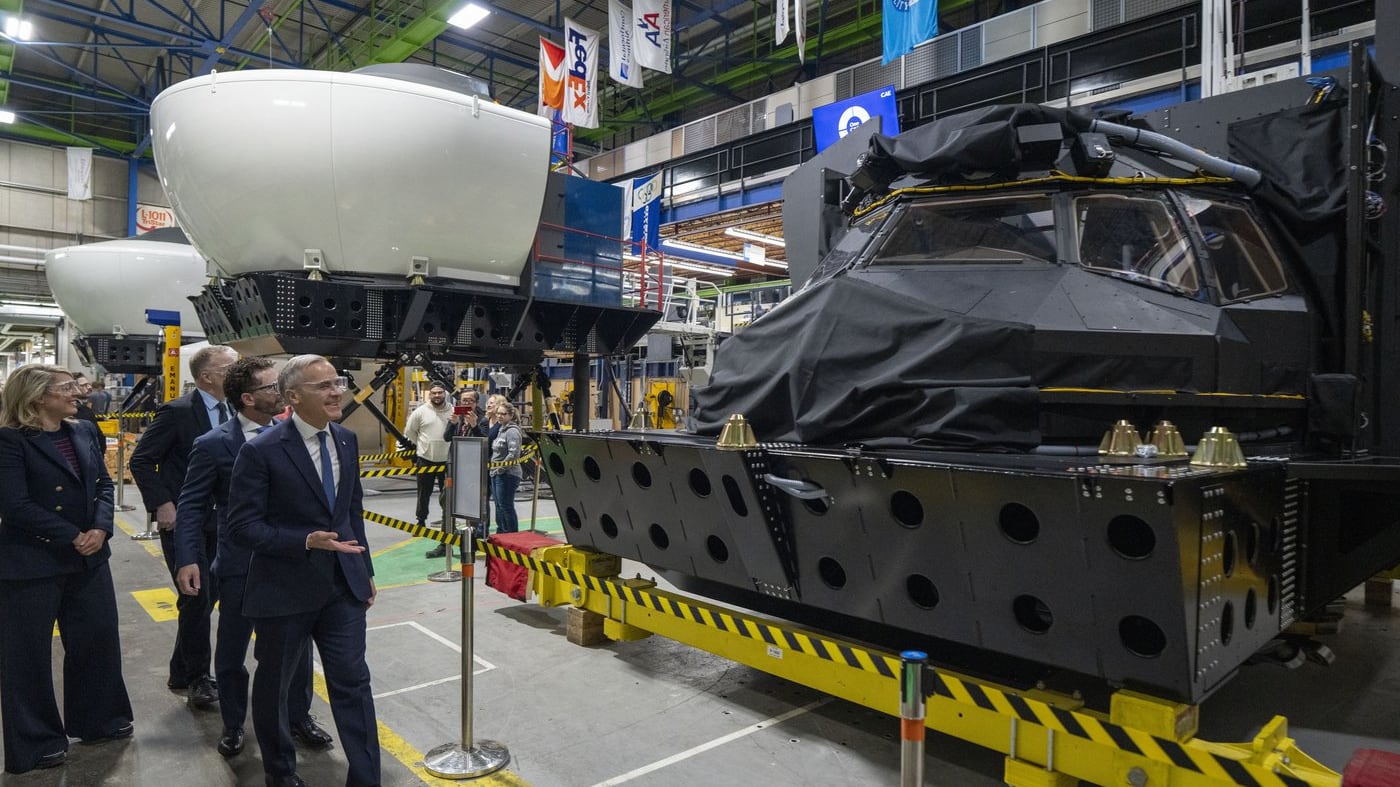
As part of the scaleback, the Montreal-based firm will retire one-tenth of its full-flight simulators — about 25 — relocate up to 15 more and close four to six civil aviation training centres to lower costs. One has already shut down, with another set to close its gates before January.
CAE counted 375 full-flight simulators across the globe as of June 30, among the facilities used to train more than 150,000 pilots a year.
The changes come amid an overhaul launched last fall that aims to bring down rent and labour expenses from a worldwide network and ramp up use of existing facilities.
While he said the company could lose some clients in the process, Bromberg expects to retain nearly all of its customer contracts as training shifts to other CAE sites.
CAE’s book-to-bill ratio — a measure of orders received to sales completed, and a key indicator of near-term demand for a company’s services — notched 1.1 times. However, its adjusted backlog slipped by nearly $300 million to $19.19 billion last quarter compared to a year earlier.
Calin Rovinescu, the former Air Canada CEO who serves as CAE’s executive chairman, announced Thursday he will step back to become “non-executive chairman of the board” on Jan. 1.
“This reflects our confidence in Matt and the rest of the leadership team and their ability to drive CAE’s next chapter of growth and value creation,” said Rovinescu.
Bromberg took over from his predecessor Marc Parent, who had occupied the CEO suite since 2009, precisely one year ago.
On Wednesday evening, the company reported that first-quarter profits fell 46 per cent year-over-year to $31 million while revenue rose seven per cent to $1.17 billion.
Despite the recent headwinds, CAE outpaced analysts’ expectations with adjusted earnings of 26 cents per share last quarter — same as the year before — versus predictions of 22 cents per share, according to financial markets firm LSEG Data & Analytics.
“In the short term, CAE is facing some softer market conditions in its civil segment and financial results for the company in the current year will also be hurt by the disruptions related to the company’s transformation activities,” said National Bank analyst Cameron Doerksen in a note to investors.
“However, the long-term fundamentals for pilot training demand remain positive,” he added, stressing that global defence spending shows no signs of slowing down.
---
Christopher Reynolds, The Canadian Press
This report by The Canadian Press was first published Aug. 13, 2026.

