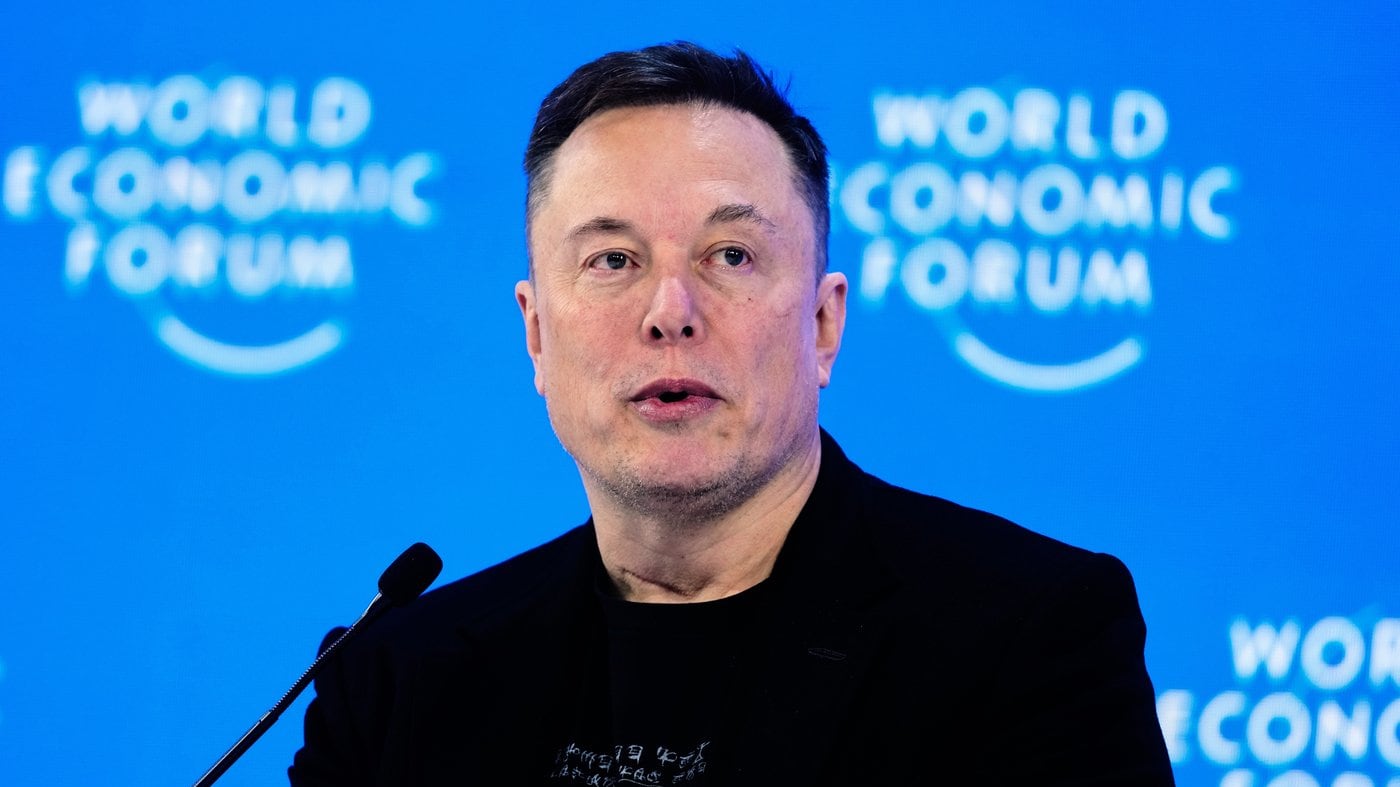
Extraordinary corporate compensation deals for Elon Musk have opened the door for the CEOs of other S&P 500 companies to win huge paydays, a new study shows.
Even excluding the CEO of Tesla and SpaceX, average compensation for chief executives in the S&P 500 soared 21 per cent to US$22.8 million in 2025, according to data released on Thursday by the American Federation of Labor and Congress of Industrial Organizations. That is the highest amount since the top U.S. labor federation began tracking the figure in the 1990s.
Driving the gains was an increasing number of mega-pay plans inspired by Musk’s compensation deal at Tesla worth as much as US$1 trillion if he hits all possible targets, labor officials said. Shareholders of the electric vehicle maker last November approved a restricted stock plan that the company valued at US$158 billion.
Including that figure, average S&P 500 CEO pay reached US$340.1 million last year, according to this year’s edition of the AFL-CIO’s widely followed Paywatch study. Musk also became the world’s first trillionaire, based on his stake in satellite and AI company SpaceX.
Musk’s pay “changes the dynamic when other CEO compensation plans come up, boards use it as a reference,” Fred Redmond, the AFL-CIO’s secretary-treasurer, said in a telephone interview.
Widening pay gap fuels union anger
Meanwhile, said Redmond, wages of employees are being held back by the rise of artificial intelligence and a National Labor Relations Board run by Republicans, who labor leaders view as hostile to union organizing efforts.
Both factors helped drive the average ratio of CEO-to-worker pay to 312:1 at S&P 500 companies last year, up from 285:1 in 2024, excluding Musk’s Tesla compensation. When Musk’s Tesla compensation is included, last year’s average pay ratio between CEOs and workers reached 5,387 to 1.
“As we talk to our members, they’re pissed off over what’s happening to them, and they feel as though they should be more vocal in terms of calling attention to inequality,” Redmond said. He noted union representation has hit the highest level in 16 years.
Rising CEO pay and inequality connect to broader political debates on why U.S. workers have trouble affording housing, healthcare and other necessities. Mean annual wages for all U.S. workers were US$69,770 as of May 2025, up 3 per cent from a year earlier, according to U.S. Labor Department statistics.
Boardroom compensation committees often argue their pay plans are linked to shareholder value and incentivize executives to deliver. They note investors including the largest asset managers usually back the pay plans at corporate annual meetings.
Average support for those advisory “say on pay” votes at S&P 500 companies stood at 90.6 per cent through late June, according to compensation consulting firm Semler Brossy, up from 89.4 per cent for all of 2025.
Hot-button votes
The trend does not always apply to the proliferation of special pay awards, however, Semler Brossy found. “These awards, which are usually intended to be one-offs and exist outside of annual compensation programs, are a hot-button issue,” the firm found.
Among S&P 500 companies disclosing special pay awards, Wall Street bank Goldman Sachs paid David Solomon US$118.9 million last year, including a major retention award. In an advisory vote, 71 per cent of shares cast backed the pay, below the average. Asked to comment, Goldman Sachs spokesman Tony Fratto said, “We’re very pleased with the strong supermajority this vote received.”
Also, real estate investment trust Welltower paid CEO Shankh Mitra US$821 million, meant to include most of his pay over the coming decade. Only 19 per cent of shares cast supported the pay.
“Welltower’s board and compensation committee remain committed to engaging with shareholders to gather their feedback and understand their perspectives,” a spokesperson said. He added that Mitra would receive the full amount only by hitting all performance targets.
---
Reporting by Ross Kerber in Boston; Editing by Matthew Lewis

