A Canadian uranium producer could emerge as a major player in the West’s push to build a rare-earth supply chain independent of China, explains a critical mineral analyst.
Toronto-based Energy Fuels Inc., which is the largest uranium producer in the U.S., is expanding into a mine-to-magnet critical minerals supplier using its existing uranium mill in Utah.
“It is a large-scale and ambitious growth plan,” Max Yerrill, a critical minerals analyst at BMO Capital Markets, told BNN Bloomberg.
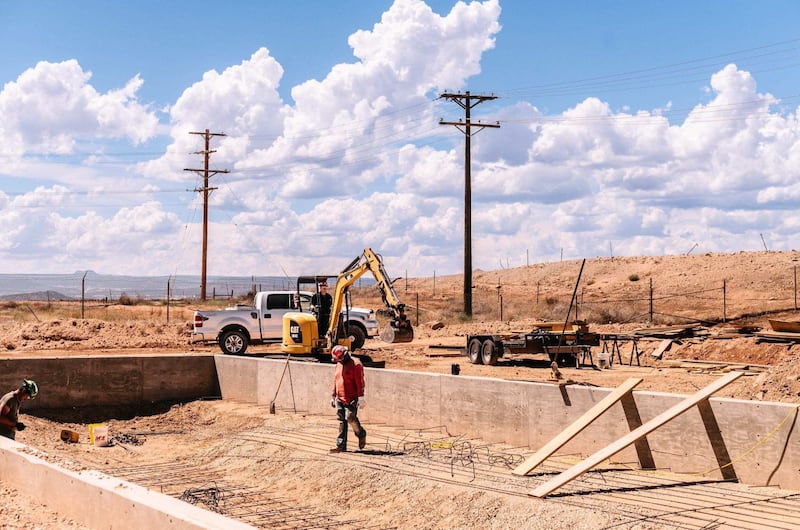
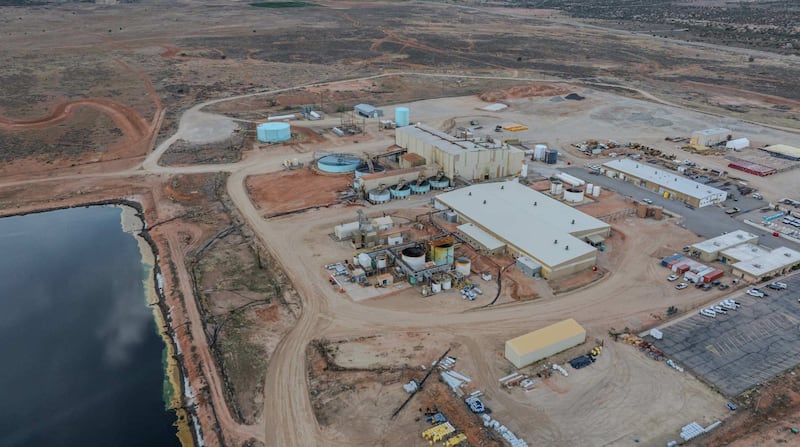
The company began construction on its heavy rare earth expansion at the White Mesa Mill in Utah a month ago, which it says is the only fully licensed and operating uranium mill in the U.S. with licensing capacity of over eight million pounds of uranium per year.
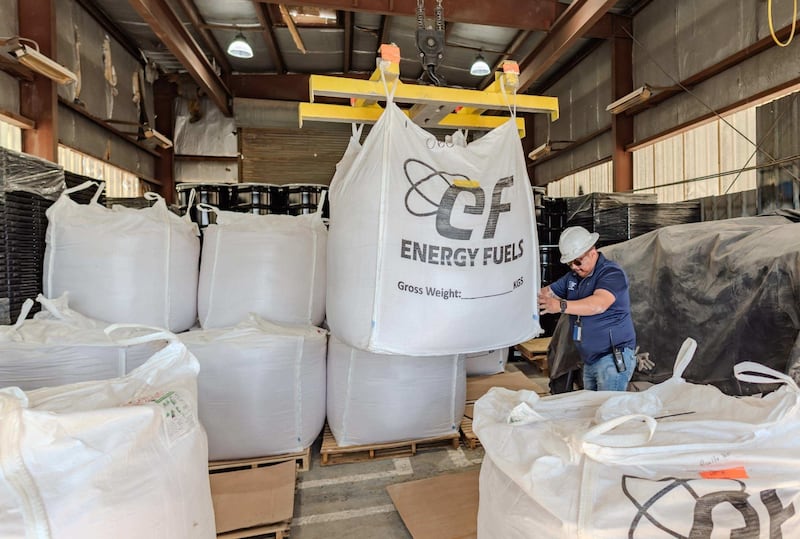
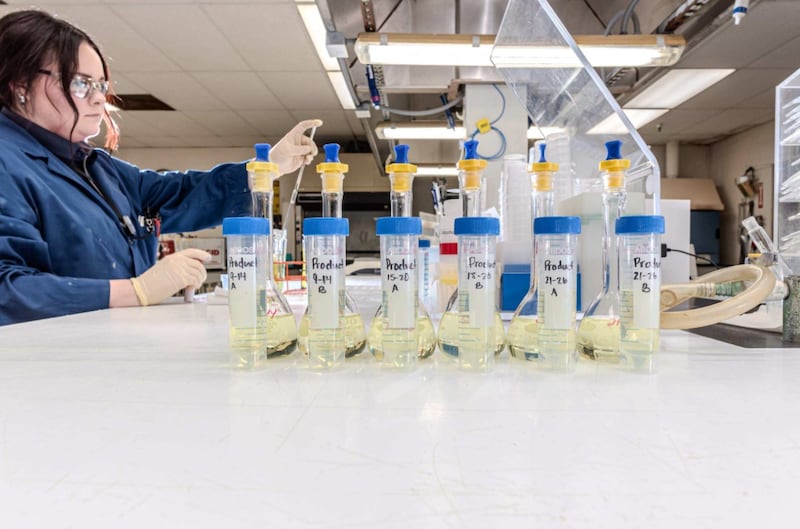
The mill consolidates the processing of natural uranium, rare earth oxides, high-grade recycled feeds, and vanadium into a single facility.
This helps position the company as a highly versatile player in the critical minerals sector, explains Yerrill.
On Friday, BMO Capital initiated coverage on Energy Fuels, which is listed on the New York Stock Exchange, and the Toronto Stock Exchange.
BMO Capital listed the stock with an outperform rating and a price target of US$18 which is approximately $25.
Yerrill states that BMO’s investment thesis follows Energy Fuels’ agreement to buy German magnet manufacturer Vacuumschmelze (VAC) for $1.9 billion, which it announced two months ago.
This acquisition will make Energy Fuels one of the world’s largest non-Chinese producers of magnets for the aerospace, defence, and renewable energy sectors.
“That deal is really at the core of our investment thesis,” explains Yerrill, adding that upon completion of that deal, the company will essentially become a fully integrated mine to magnet producer.
Energy Fuels says the deal with VAC would create a vertically integrated rare earth platform capable of supplying growing demand across sectors including electric vehicles, aerospace and defence and robotics.
Yerrill says the shift comes as the West looks to reduce its reliance on China, which dominates the rare earths market.
“Rare earths in the United States and the rest of the Western world have long been reliant on China for these magnets, and caused by export restrictions, where China has restricted exports of these crucial magnets to the United States and many Western countries,” says Yerrill.
“We are seeing a huge push for deglobalization and localizing supply chains.”
Uranium now, rare earths later
Energy Fuel’s existing uranium business provides the company with the near-term source of cash flow while its rare-earth business represents a longer-term growth opportunity, explains Yerrill.
Now, a key part of its strategy is its acquisition of VAC, which is already an advanced magnetics company with over 100 years of manufacturing experience, explains Yerrill.
The company, which operates in North America, Europe and Asia, has already shipped over a billion rare-earth permanent magnets over the past decade.
“We see that acquisition as really a de-risking milestone, and that de-risks much of the operational and scale-up risk that many of the rare earth peers will face as they start to produce more magnets,” says Yerrill.
He says the de-risking strategy essentially sets the company apart from competitors trying to build their own magnet manufacturing capabilities from scratch.
“We haven’t had magnets produced in the United States since the 1980s, and this is a new industry and a new operational risk that the industry is going to have to face,” says Yerrill.
Government support in building supply chain
Energy Fuels has already benefited from U.S. government support and expects the broader rare earth industry to continue to attract public funding as the U.S. builds out domestic capacity, says Yerrill.
“We don’t think this is an industry that the U.S. is comfortable moving forward without,” he says.
“Eventually, once these businesses are scaled, they won’t be reliant on government capital.”
Still he cautions that the company carries significant execution risk.
“We want to be ambitious, but not reckless. And the risks here are like with any other mining company,” says Yerrill.
“As you ramp up magnets, these have to go to a variety of different customers with varying degrees of performance characteristics and very different grades. So as they ramp up production, we’ll be watching carefully to see how they’re able to meet their production targets and making sure that they’re able to ramp towards their long-term target.”

