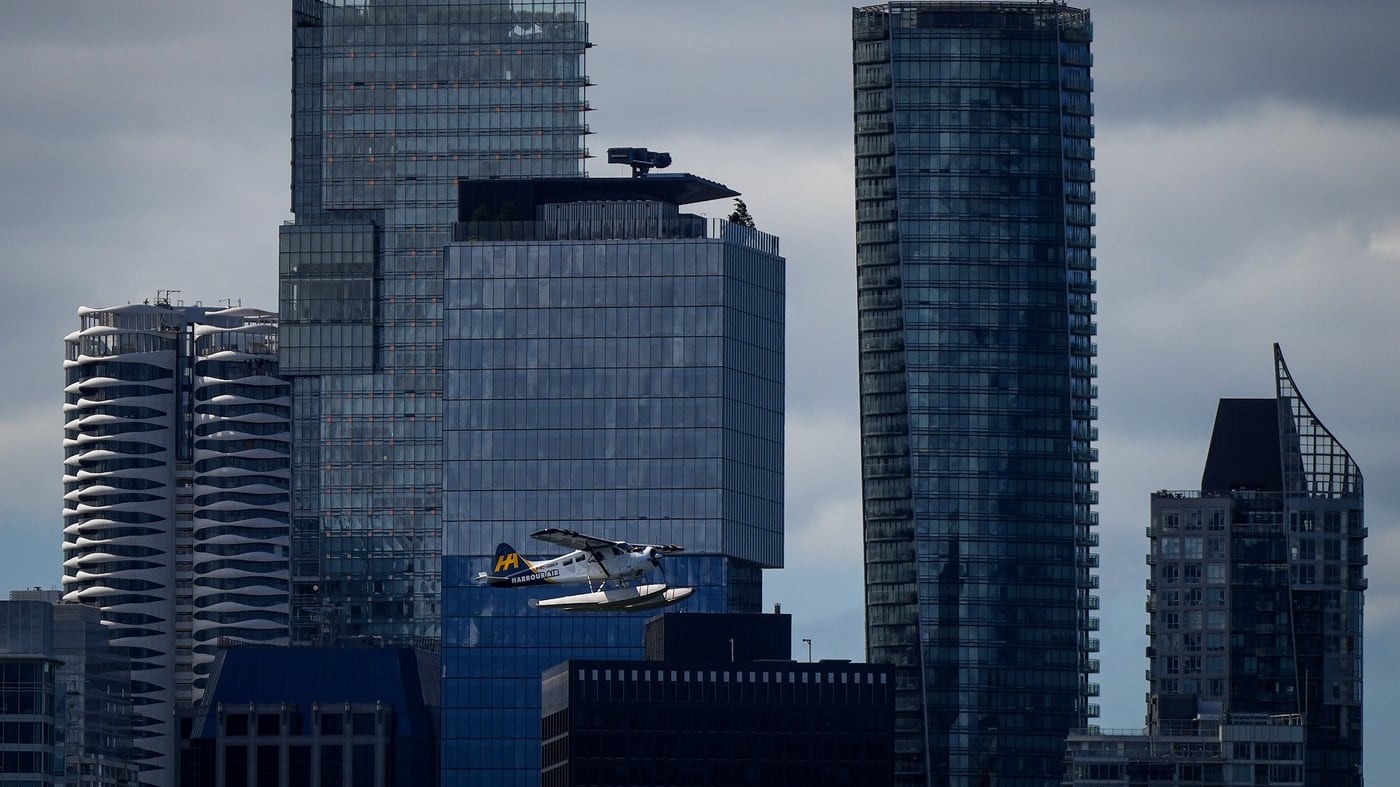
Seaplane operator Harbour Air is set to acquire Pacific Coastal Airlines in a deal that will bring two of British Columbia’s regional carriers together under common ownership while still operating as separate brands.
The airlines announced the merger Tuesday, saying the transaction will create a regional airline group with a fleet of 59 aircraft serving 25 communities across the province.
The price and timing of the acquisition, which is still subject to regulatory approvals, has not been disclosed.
“As a private transaction between Harbour Air and Pacific Coastal Airlines, the parties have agreed not to share financial details,” said Harbour Air a statement announcing the transaction.
The two airlines serve different networks with Harbour Air’s seaplanes operating primarily in coastal tourism destinations while Pacific Coastal Airlines operates wheeled aircraft connecting rural hubs in the B.C. Interior.
‘More destinations’
Bert van der Stege, CEO of Harbour Air, says the company has “a deep respect” for Pacific Coastal Airlines and looks forward to welcoming its workers into a combined workforce of more than 900 employees.
“For our collective guests, this means more destinations, greater connectivity, more resilient year-round travel, and the opportunity to connect our communities with the rest of the world through the largest airports in Western Canada,” said van der Stege in a video statement recorded alongside Quentin Smith, president of Pacific Coastal Airlines.
Smith described the deal as an opportunity to invest in growing Pacific Coastal Airlines under new ownership.
Both brands are expected to continue operating their existing routes with a combined 300 daily flights while the new airline group looks for opportunities to expand.
‘Greater choice’ for passengers: analyst
Duncan Dee, an aviation analyst and former chief operating officer for Air Canada, says the acquisition is likely a net-positive for travellers who would stand to benefit from a stronger regional operator in B.C. to compete with larger airlines while filling the gaps in existing routes.
“Overall, depending on the future business plan that the merged entity will pursue, this could mean greater choice for B.C. consumers and a stronger platform for regional routes in British Columbia, which unfortunately has been seeing a reduction over the last few years,” said Dee in an interview Tuesday.
The deal could also help address some of the challenges facing Harbour Air and Pacific Coastal Airlines, particularly around pilot recruitment and retention.
“It’s very, very difficult for small Canadian carriers to compete with the WestJets and Air Canadas of the world because they simply had very few career options for pilots to stick around for a very long time,” Dee said.
“When you’ve got a larger airline, that platform gives you that type of opportunity.”
Harbour Air was founded in 1982 and has grown to become the largest seaplane operator in North America.
Since 2019, the company has been conducting test flights on an electric version of its Beaver seaplanes that it plans to develop into a viable commercial platform pending further research and regulatory approvals.

