After planning a one-year Caribbean sailing adventure with their family and dog, an Alberta couple fears they will be living a financial nightmare if Air Canada flight attendants strike Saturday.
Carla Levitt and Stephen Brown said they were ready to fly with their three teenagers and golden retriever Sunday to Grenada, where their $320,000 catamaran awaits, but a strike would throw their plans up in the air.
“So we’ve sold everything, including our house and our vehicles, and this is really a trip of a lifetime,” Levitt said in a video interview with CTVNews.ca on Friday.
They said they’re worried they’ll be on the hook for the rental car, Airbnb accommodation, as well as $100-a-day storage for their catamaran. They’ve also already paid for their golden retriever’s vet costs and fees for the pet import.
“There’s mounting costs for us just financially for this,” Brown added during the same video interview.
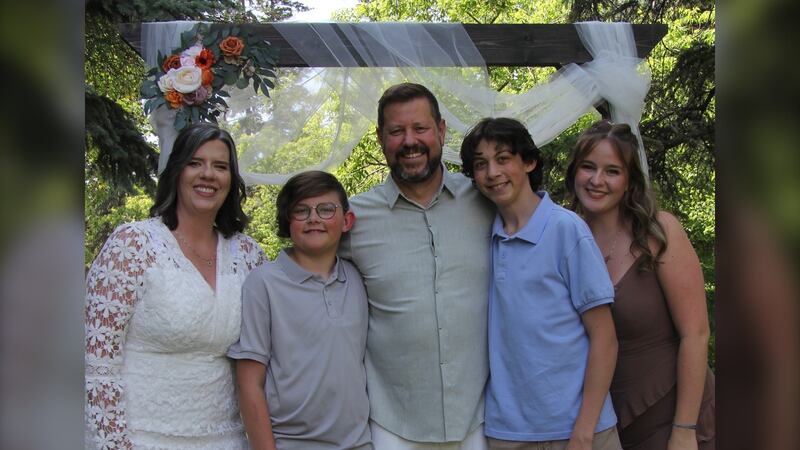
The family said they got refundable tickets, but are having problems with Air Canada’s rebooking site, adding that they’ve tried calling Air Canada but the wait times are long. They also said last-minute flights for five people and their dog would be expensive. Despite having bought travel insurance for the entire year they planned to be away from Canada, they did not know about the strike threat, and they’re unsure if it would cover the event.
The couple was among the Canadians who responded to CTVNews.ca’s callout, expressing fears about losing hundreds, or even thousands of dollars in travel-related expenses, such as hotels, tours and cruises, should Air Canada and the union representing its flight attendants fail to reach a deal by Saturday.
Air Canada began cancelling flights Thursday, with 294 flights cancelled as of noon Friday, affecting 55,726 people.
With Air Canada customers anxious about the looming strike’s ripple effects, experts gave advice about the expenses they’ve already paid for their trip.
Air Canada is obligated under Canada’s Air Passenger Protection Regulations to offer a refund or alternative flights for free. But more expenses are involved with travelling that will end up costing people even more than just the flights.
Will travel insurance help?
“I’ve always said it’s not the airfare refund that’s really going to change your life,” Martin Firestone, president of Travel Secure travel insurance brokerage in Toronto, said in a video interview with CTVNews.ca on Friday.
“The problem is more the cruise you didn’t make, the Airbnb that you rented, the tour guides, the wine country, tours, those things. ... if you don’t get there, you’re going to be out all of that, assuming they were non-refundable when you bought them, and the majority of them are.”
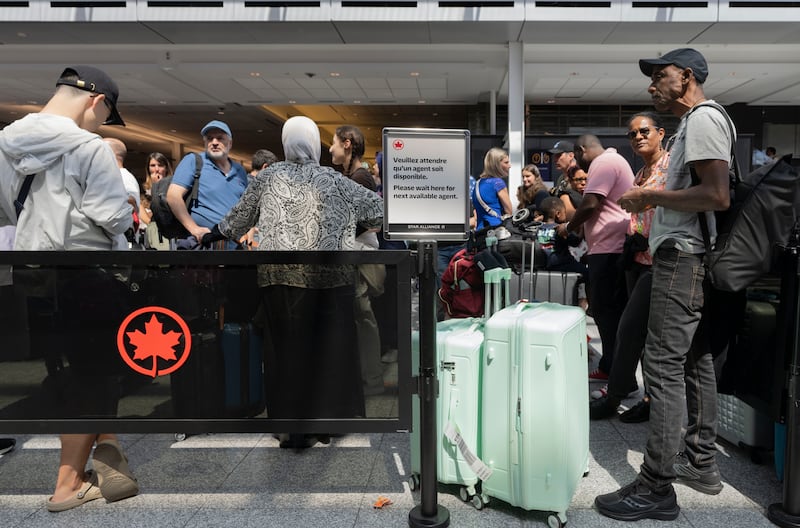
Firestone said those who didn’t buy trip cancellation and interruption insurance “are out of luck” and may have to shoulder the costs. He said it’s too late to buy travel insurance now, because insurers have considered the strike threat a “known cause.”
“Bottom line is: they can at best hope to get a refund from the airline for their flight,” Firestone said.
Firestone said travel insurance would’ve allowed people to recoup some of their travel expenses, such as for hotels, tours and cruises. In those cases, he said they would have to show proof that they paid and no refund was issued.
People stuck at their destination can try to find a refundable flight, he said, which will be tough to do at the last minute, given that Air Canada serves about 130,000 passengers per day and it’s the peak summer travel season.
Barry Choi, a Toronto travel expert who founded Money We Have, a Canadian website offering personal finance and travel advice, recommended that people check their travel insurance to see if their expenses are covered.
Choi said in an email to CTVNews.ca on Friday that customers may have protection from the travel expenses booked before the union gave the strike notice.
Those without insurance will likely lose money if there’s a strike or disruptions, so Choi recommended that passengers buy travel insurance, such as trip cancellation and disruption, whenever they travel. He said consumers should research the differences between insurance policies, including one that covers future strikes and caps on coverage for trip costs.
But he also has tips for those without insurance.
“If you don’t have insurance, it’s worth contacting your hotels, excursions or any travel bookings to see if they’re willing to provide a refund due to unforeseen circumstances, or give you a future travel credit,” he wrote.
Another option is to buy airfare, excursions and other travel expenses that are fully refundable if travellers want extra peace of mind. The additional cost would be “minimal” in some cases, such as hotels, while fully refundable flights are expensive, he added.
Choi recommends travellers whose flights have been cancelled to contact Air Canada with four or five different flight options to try to minimize costs and get booked on a new flight immediately.
“Keep in mind that anyone on the same flight as you is likely trying to do the same, so have some flights that aren’t a direct flight as there may be less demand,” he wrote.

