For those searching for savings at the grocery store, many are finding out that there’s no safe place to take cover from sky-high food costs.
“The problem in recent years is all categories (of groceries) are going up in price, all at once,” said Sylvain Charlebois, Agri-Food lab director at Dalhousie University.
One shopper outside a Toronto-area Loblaw Grocery store shared with CTV News that in years past, her weekly grocery bill was around $80, but it now falls between $150 and $200.
Food inflation is an ongoing concern. The most recent Statistics Canada inflation report found that food prices rose by 3.4 per cent in October, which is down from four per cent in September.
Though as of right now, any incremental decrease in food inflation on a month-to-month basis isn’t bearing fruit for Canadians at the checkout counter.
“The challenge we have with food inflation right now is it remains way above general inflation,” said Charlebois, who added that “grocery prices remain elevated” and have exceeded overall inflation for nine consecutive months.
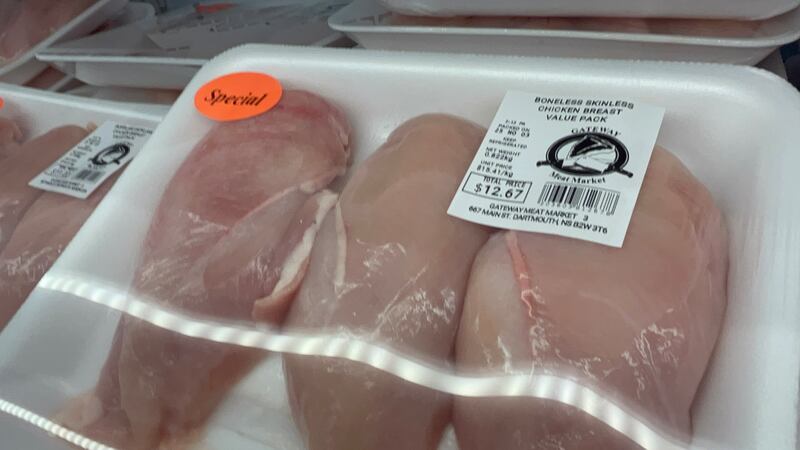
The priciest pickings at your local grocer can be found at the meat counter. Shoppers who spoke to CTV News pointed to the price of chicken, a staple in kitchens across the country, as a bone of contention.
“Whole chicken prices are up 23 per cent, year-over-year, and chicken is typically the cheapest animal protein at the grocery store,” Charlesbois said. “Ground beef is up almost 22 per cent, as well, and proteins in general now make up nearly 40 per cent of all the money you spend at the grocery store.”
The food expert believes that Canada isn’t producing enough beef and chicken to sustain Canada’s population growth and government limits on imports from other countries are also driving up the price of protein.
Though there may be some reprieve soon, with Canada dropping counter tariffs against the United States. Charlebois says there’s hope that the rate of food price inflation will continue to decrease. He says it may finally be passed on to consumers, as stores slash prices to keep loyal customers coming back for a second helping in the grocery aisle.

