A new global risk assessment is warning that no country would be more “profoundly affected” by a political upheaval in the U.S. than Canada.
Published Monday, the Eurasia Group’s “Top Risks For 2026″ report cites deep economic, security and geographic ties that leave Canada especially exposed to instability south of the border.
Eurasia Group, a political risk consultancy, identifies what it calls a potential U.S. “political revolution” - driven by U.S. President Donald Trump’s efforts to consolidate power, “capture the machinery of government, and weaponize it against his enemies” - as the most significant threats to global stability this year.
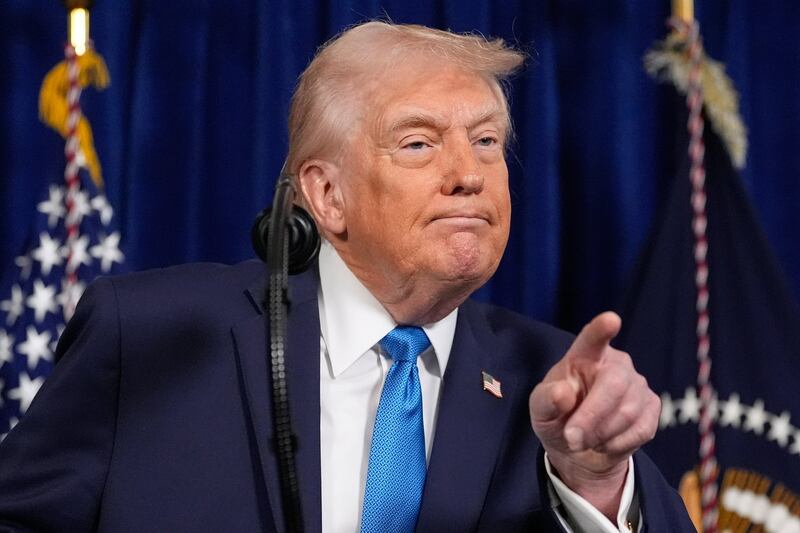
According to the report, Canada is exposed because it is closely tied to the U.S. through geography, trade and defence, meaning sudden political or policy changes in Washington could have an outsized impact on Canada.
Former foreign affairs minister Lloyd Axworthy told CTV’s Your Morning Thursday that those risks are already becoming more visible.
“The Trump administration has a view that they are the masters of the Western Hemisphere, and they can do what they want to whomever they want, whenever they want,” Axworthy said, warning that Canada must be prepared for a more aggressive and transactional U.S. approach to national security and geopolitics.
Arctic, Greenland as pressure points
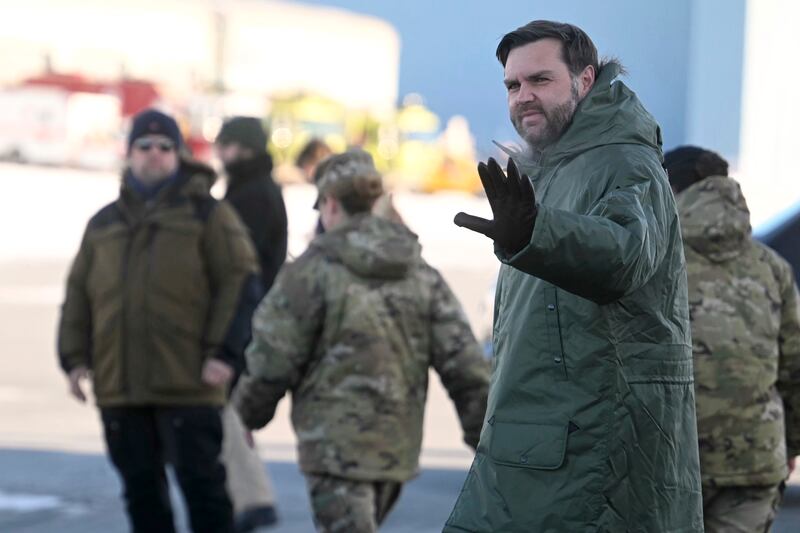
Axworthy pointed to the Arctic - and Greenland in particular - as an emerging “chokehold” point that could directly affect Canadian sovereignty and security.
“We’ve seen what (Trump’s) just done in Venezuela. ‘We’re taking it over. We’re running it. We’re using to sort of exploit their resources,’ and he will do the same thing on Greenland,” Axworthy said.
“For us as Canadians, that means he’s going to have a chokehold on the Arctic itself. And that’s our backyard,” he added.
Axworthy cautioned against assuming shared values alone will protect Canadian interests.
Eurasia Group’s report highlights growing competition between the world’s great powers in the Arctic as melting ice opens new shipping routes and access to critical minerals. This increases the stakes for Canada, the consultancy said, as both the U.S. and Russia expand their presence in the region.

Where Canada may not be ready
While the report outlines multiple geopolitical risks, Axworthy said Canada’s vulnerability is compounded by a lack of domestic engagement and preparedness.
“Canadians have to be much more engaged in this issue,” he said. “This can’t be something that is managed in a very small group in the Prime Minister’s Office ... you have to bring Canadians along with you.”
He also warned that global co-operation is breaking down at a time when it’s needed the most.
“One thing that Trump is trying to do is to break down all the architecture that we’ve spent a lot of time building, to put restraints on great powers, to ensure that there are treaties and agreements that makes for co-operation agreements, whether it’s on climate or on trade or on military security,
“Those are things that really we have to let our diplomatic system go full monty on,” Axworthy explained.
Pivotal year ahead
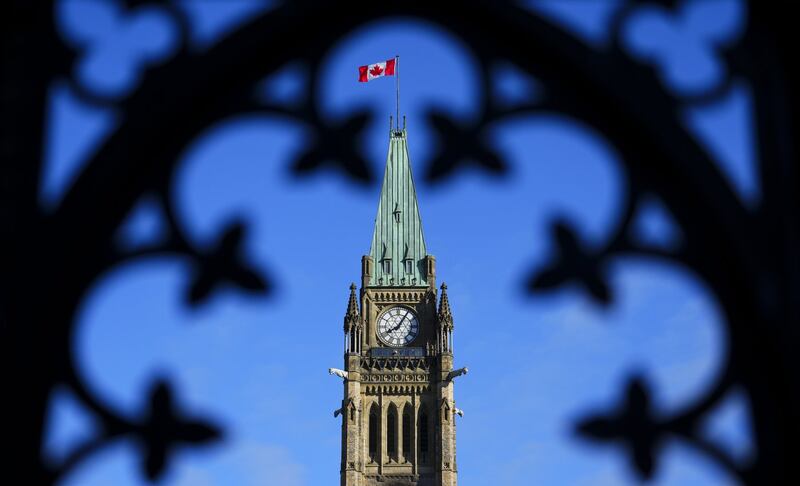
Beyond warnings of a U.S. political revolution, Eurasia Group flags “Zombie USMCA,” referring to the North American Free-Trade Agreement, or NAFTA, staggering forward without meaningful updates or political commitment.
In December, Trump said the U.S. may let CUSMA “expire” or “work out another deal,” with Mexico and Canada.
The group warns that prolonged uncertainty around the pact could chill investment, disrupt cross-border supply chains and leave Canada vulnerable to sudden policy shifts from the U.S amid heightened trade disputes.
The report also predicts that its “Europe under siege” risk will make Prime Minister Mark Carney’s goal of diversifying trade away from the U.S. more challenging, as the prolonged Russian invasion of Ukraine and economic strain across the continent could have ripple effects for Canada.
For Canada, the fallout could mean higher defence spending commitments, pressure to take in more refugees and economic spillover effects as European partners grapples with rising political unrest.

