In the spring of 2020, Brent Colman was working as a junior analyst with the City of Edmonton before he was furloughed when COVID-19 restrictions were put in place.
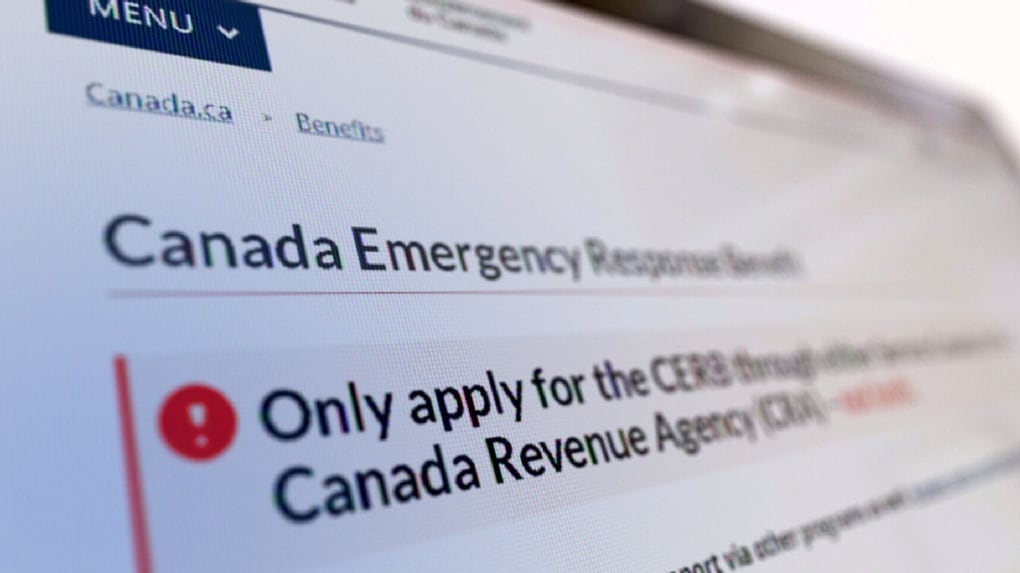
Like thousands of other Canadians, he applied for the Canada Emergency Response Benefit (CERB).
He says he received the benefit for a few months before going back to work in the fall, but years later he found out that the Canada Revenue Agency (CRA) had deemed him fully ineligible for the $12,000 he was given.
“The really sad thing is, on top of this $12,000, they’re counting (it) after repayment as additional income, and then backdating the interest charges and late payment charges on that,” he told CTVNews.ca in an interview last month.
“So altogether, they’re currently seeking $23,000 because they were unable to read their own record of employment.”
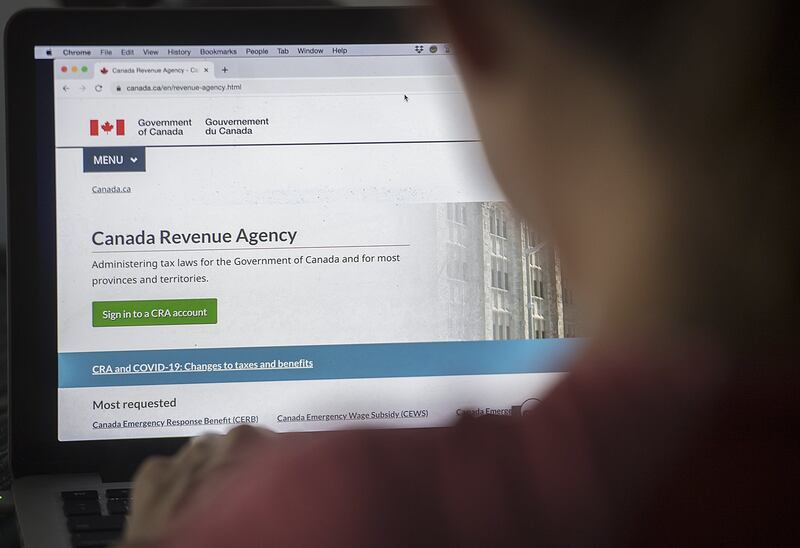
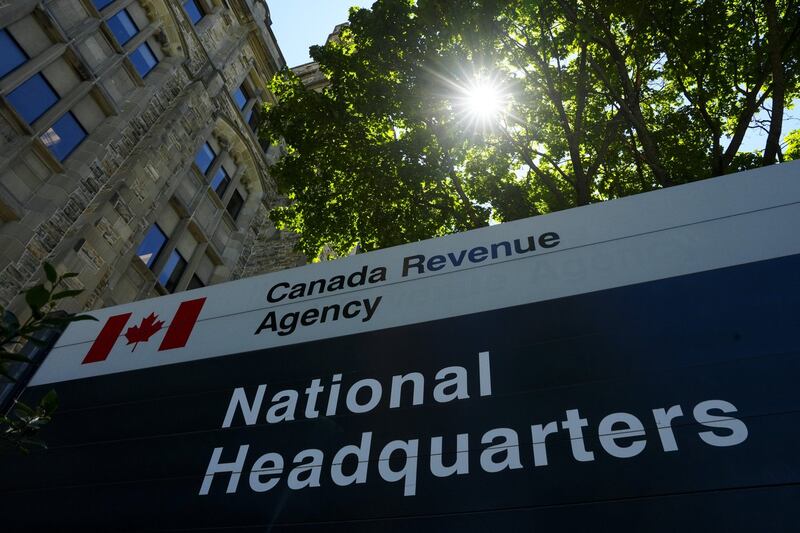
Colman is one of many Canadians the CRA has contacted since 2023 as the agency attempts to recoup billions of dollars’ worth of emergency pandemic benefits it says were doled out to individuals who did not meet the criteria to receive them.
CTVNews.ca received dozens of responses to a callout asking Canadians if they had been contacted about CERB repayments, and many claimed they were in ongoing disputes with the CRA.
Colman was one of them. He maintains that he was eligible to receive CERB and is getting ready to fight the CRA’s decision in federal tax court.
‘Complete nightmare’
When CERB was announced by former prime minister Justin Trudeau’s government, there were two main prerequisites for eligibility: having earned at least $5,000 before taxes in 2019 or the 12 months prior to applying; and having your working hours reduced or fully halted due to COVID-19.
Additionally, those applying for CERB could not have earned more than $1,000 in income during each monthly claims period.
“As far as qualifications go, it was a sudden and complete layoff from my typical work and the previous year … (the CRA) had a filed tax return for $80,000,” said Colman.
Colman added that he was encouraged to apply for CERB at the time by his union, Civic Service Union 52, which negotiated a deal with the city on behalf of its furloughed members. That deal took the amount Colman and others were expected to get from CERB each month into account, he said.
Union president Bryce Jowett confirmed the deal in an email to CTVNews.ca.
“The city continued to employ some employees at reduced hours if there was available work, but capped each employee’s maximum hours of work so that they would not exceed the $1,000 per month maximum in order to retain eligibility for CERB,” he said.
“They reached an agreement with us to set those variable caps… while CERB was in existence.”
Many readers who contacted CTVNews.ca said they too were encouraged to apply for CERB by employers, officials and others, even if they weren’t absolutely sure they qualified. The federal government at the time said it was prioritizing speedy assistance to those that needed it.
But those readers who received the benefit, only to be told later that they were ineligible, said that getting in touch with the CRA to dispute the agency’s decision was an uphill battle.
“It’s been absolutely excruciating. There was one day that I called in, and I was transferred to nine different departments, and by the time I hit the last department, all the departments were closed for the day,” Colman said.
“There’ll be one person that says, ‘I can’t help you, but I think this person can,’ and you sit on hold for another hour, they transfer to another person, and it’s just kind of a complete merry-go-round of trying to find someone who can help.”
Colman said the yearslong process has been “a complete nightmare,” and that the CRA has closed his file at this point, leaving him no option but to challenge the decision in court.
CTVNews.ca reached out to the CRA for comment on cases such as Colman’s but did not receive a response by the time of publication.
‘Financial devastation’
While most readers who contacted CTVNews.ca said they were in the process of disputing their repayment notice from the CRA, there were some who expressed support for the agency’s push to recover funds.
They said the money being sought by the CRA belongs to Canadian taxpayers, and some argued that the federal government was clear when CERB was announced that compliance would be enforced later to ensure there were minimal delays to those that needed support immediately.
But for Canadians like Colman who believe they’ve fallen through the cracks of the CRA’s back-end enforcement, the amount the agency says they owe is too much for many of them to handle financially.
“My spouse and I are waiting to buy a house because if this hammer comes down, that becomes a significant issue. It has held up four or five years now of tax return repayments and benefits like the carbon tax,” said Colman.
“I’m a career long public servant, and it’s a really big frustration when you find yourself always being the one trying to stand up for the government and say, ‘No, like, the system works,’ and then having this cloud of financial devastation hanging over you … for such a silly mistake.”
Law firms offering support
As Canadians like Colman continue to dispute CRA repayment decisions, law firms across the country have begun offering specialized support for these types of cases, some on a pro bono basis.
Osler, a firm specializing in business law, says on its website that many people who were retroactively deemed ineligible for pandemic support by the CRA are not in a financial position to repay, but it also noted that the CRA’s determinations are often incorrect.
Many individuals in these cases are low-income earners from diverse backgrounds including those with disabilities, seniors and recent immigrants who were disproportionately impacted by the pandemic, said one of the firm’s litigation associates.
They often lack the financial resources to pursue effective legal representation, and many struggle to understand the complexities of the administrative and judicial processes that come with a CRA dispute, according to the firm.
“As someone that’s spent his career as a bureaucrat in the municipal system,” said Colman, “if I’m having this much of a (problem) trying to do this, I couldn’t imagine how someone who’s not entrenched within systems like these is feeling.”

