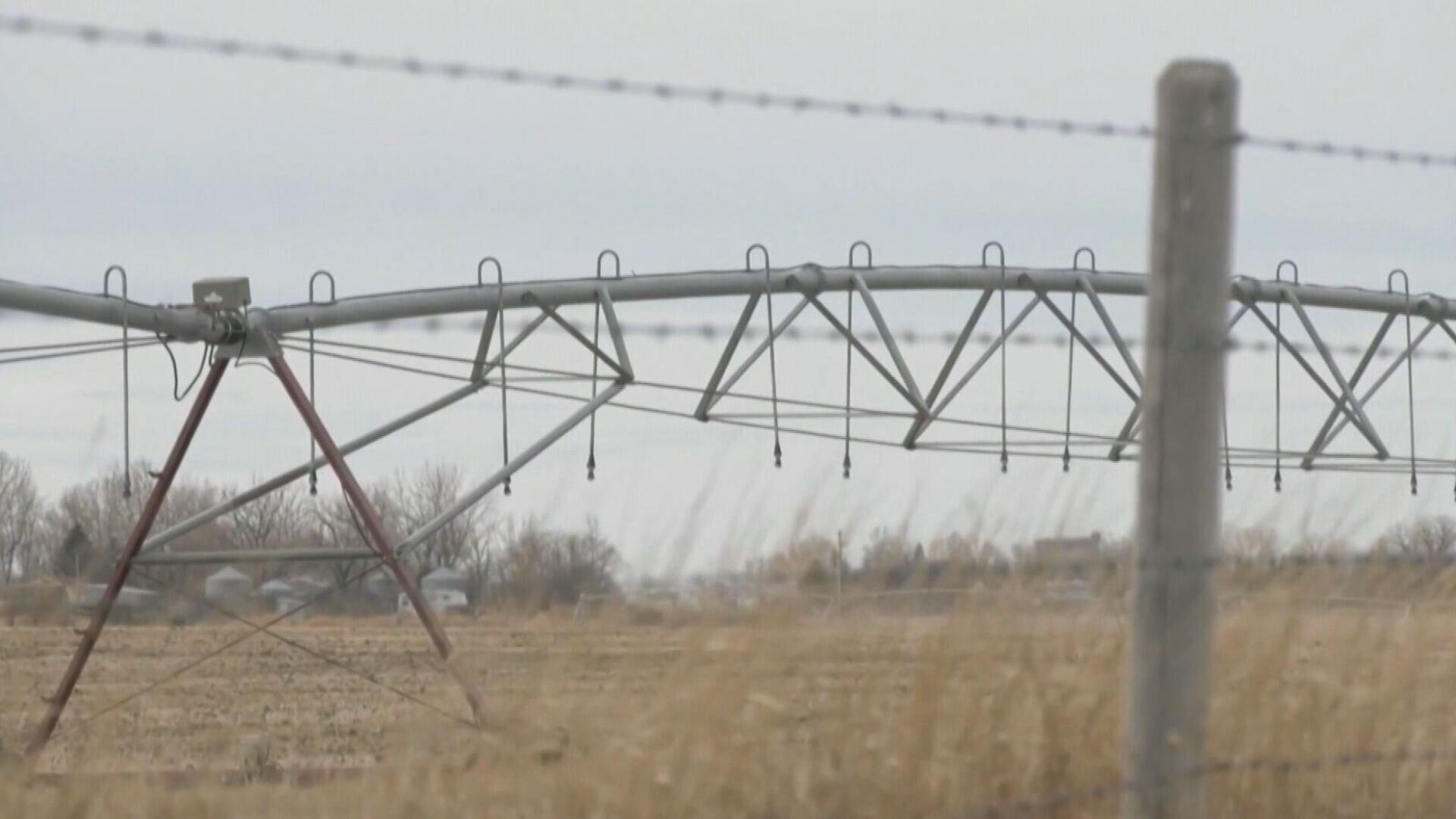
ANOLA and RANDOLPH, Man. — Fertilizer is an essential part of Kevin Peters’ farm in southwestern Manitoba.
But since Israel and the U.S. attacked Iran, the average price of urea fertilizer, which is widely used around the world, has skyrocketed, surging around 30 per cent over the last week.
Peters says the interruption in supply didn’t come as a huge surprise to him.
“We deal with geopolitical issues all the time with markets, be it pork, be it grain, and now fertilizer,” he said. “There’s always some disruption seeming to happen somewhere in the world that is changing our daily prices.”

Peters says he pre-purchased his fertilizer for this farming season back in the fall but is concerned about prices later this year when he has to buy fertilizer again.
“We’ll see what the market looks like in eight months,” he said.
Like Peters, Andrew James also pre-bought his fertilizer in the fall for his farm in Anola, Man., and he says he is happy he did.
“My fertilizer bill for that (at the time) was around $350,000. If I would try and lock that in today, it would be $140,000 higher,” he said. “For instance, urea went from $750 a tonne when I bought, to now $1,150 a tonne.”
It’s not just increased costs for fertilizer that he is looking at, but fuel too, which James says he hopes goes down soon.
“If not, it will cost me an extra $40,000 to farm this year,” he said.

‘Couldn’t have happened at a worse time’
This price increase is yet another blow for farmers, who have seen their input costs increase dramatically over the last few years.
Jill Verwey, president of Manitoba’s Keystone Agriculture Producers (KAP), is hoping for a quick resolution to this war.
“If this drags out further, then it’s going to have bigger impacts on availability and capacity for farmers to get that fertilizer this spring,” said Verwey.
A third of the world’s fertilizer shipments move through the Strait of Hormuz off southern Iran.
Since the war broke out, threats from Iran’s military against Western vessels have brought shipping to a halt through the critical maritime passage.
Fertilizer Canada says impacts on production are being felt around the world.
“This remains a fluid situation, and we are staying closely engaged with our members as conditions evolve,” said Michael Bourque, president and CEO of Fertilizer Canada. “Farmers are encouraged to consult their local agricultural retailers for the most up-to-date information on fertilizer supply in their area.”
Leigh Anderson, a senior economist with Farm Credit Canada, told CTV News that the global fertilizer supply was already under pressure before this war started.
“This adds another layer of increased cost to their bottom line,” he said. “Stuff that is happening overseas might feel like it’s a long ways away, and it doesn’t have an impact here, but definitely for our growers, we are seeing that impact right away.”
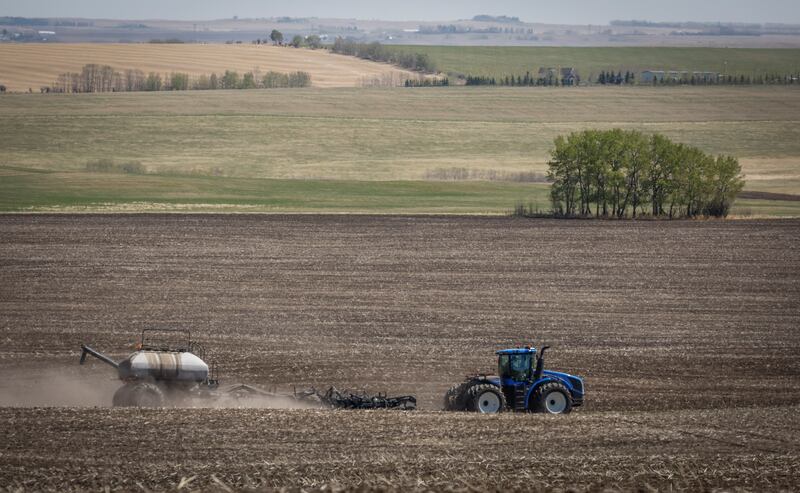
Ongoing challenges
University of Manitoba economics Prof. Derek Brewin echoes the sentiment.
“Prior to the trade route disruptions, urea prices were already on an upward trend from a low in December, so farmers may have seen that as a signal to buy,” said Brewin, who is the head of the Department of Agribusiness and Agricultural Economics at the University of Manitoba.
“Other fertilizers may be affected, but they trade in less fluid markets and can take time to respond,” he added. “Still, nitrogen represents the largest cost of fertilizer for our major crops.”
For Peters, watching the situation unfold makes it difficult to stay optimistic.
“We’re just cautious about overextending ourselves. We want to be here producing food and livestock for the markets,” he said.
“We’re very tied to world pricing. It’s always a challenge. Margins get tighter. We tell ourselves we buy retail and we sell wholesale, which is a very tough thing do to.”

