Statistics Canada’s February Consumer Price Index says gasoline prices contributed largely to the slowdown of inflation, but experts warn that the conflict in the Middle East could lead to a three per cent rise in the months ahead.
In February, inflation slowed to 1.8 per cent, compared to 2.3 per cent in January.
The slowdown was largely driven by change in prices this time last year, StatCan remarked, when costs rose in line with the end of the federal tax holiday on select items.
Prices fell in a number of sectors including homeowners’ replacement costs, travel tours, natural gas, which saw a -17.1 per cent drop, and gasoline with a -14.2 per cent decrease.
In February, gasoline prices contributed largely to the slowdown in inflation, declining 14.2 per cent after a 16.7 per cent decline in January. Both reports preceded the U.S. and Israeli strikes on Iran.
BMO senior economist Robert Kavcic told The Canadian Press he expects we’ll see higher inflation reported in March, since such a large share of Statistics Canada’s consumer basket.
He also warned the ongoing conflict could affect transportation costs for food.
“That’s not an impact you see right away, but the longer these higher oil prices persist, the more it squeezes margins, the more that price pressure tends to get passed on,” Kavcic said.
Last month, Canadians were most impacted by food inflation in restaurants, with smaller impacts to purchases of alcoholic beverages and toys, according to Statistics Canada.
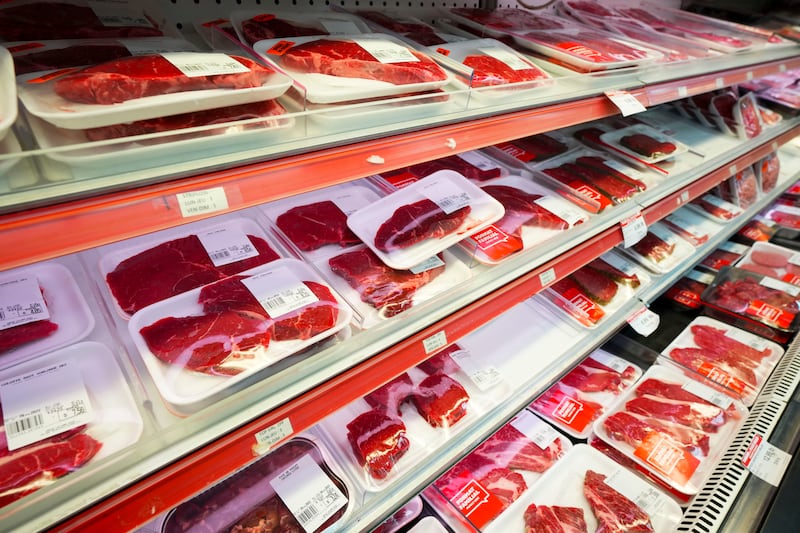
On a year-over-year basis, prices for food purchased from stores rose 4.1 per cent in February following a 4.8 per cent increase in January.
Kavcic said he expects food inflation will continue to be a pain point in 2026 and adds that the Bank of Canada will be keeping an eye on the temporary effects from the war.
“The good news is that before all this started, we were actually moving into a very good spot on inflation,” Kavcic said.
With files from The Canadian Press.

