


Several Canadian airlines tell CTV News the suspension of the federal gas excise tax is welcome news, but only one is suggesting it could help make ticket prices cheaper.
On Tuesday, in his first act as prime minister of a new majority government, Mark Carney announced a cut to the federal excise tax from April 20 until Labour Day.
Currently, a four cent per litre excise tax applies to aviation fuel, with 10 cents per litre on unleaded aviation gasoline.
With rising fuel costs representing the biggest operating cost for Porter Airlines, spokesperson Robyn van Teunenbroek told CTV News the suspension “will factor into overall operating costs and be represented as part of the total airfare passengers see.”
“Base fares adjust for variable fuel prices on a route-by-route basis,” van Teunenbroek wrote in a statement.
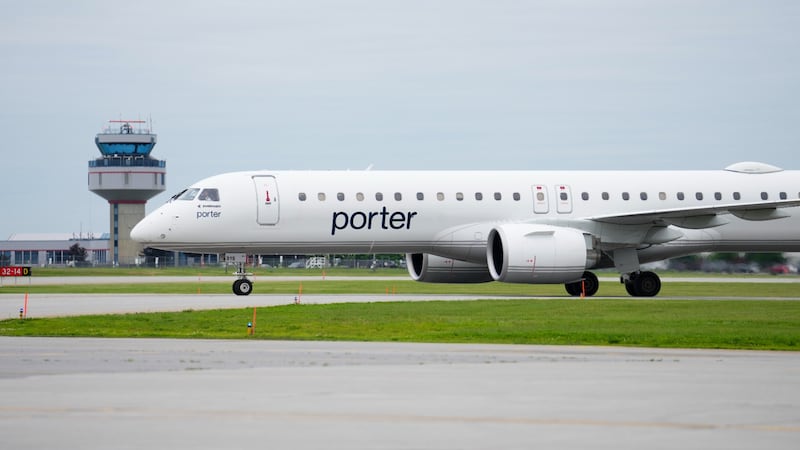
The airline did not provide any further specifics about impact on ticket prices.
Air travellers have been seeing higher ticket prices in recent weeks due to several factors linked to the Iran war, most notably a hike to fuel costs.
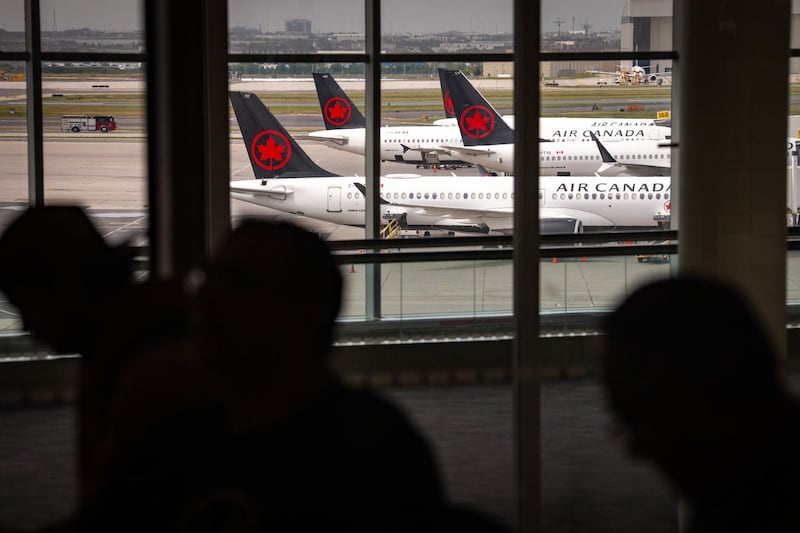
Air Canada says fuel is its single biggest variable expense, with jet fuel prices twice as expensive as before the war began.
“As for the future direction of fares, while any relief is welcome, the situation in the Middle East, which has been driving fuel prices, is very volatile and unpredictable. This makes it impossible to say what future pricing may be,” wrote spokesperson Peter Fitzpatrick.
“This is why we say fares naturally go up and down in response to many factors. That said, we also aim to be competitive in all the markets we fly.”
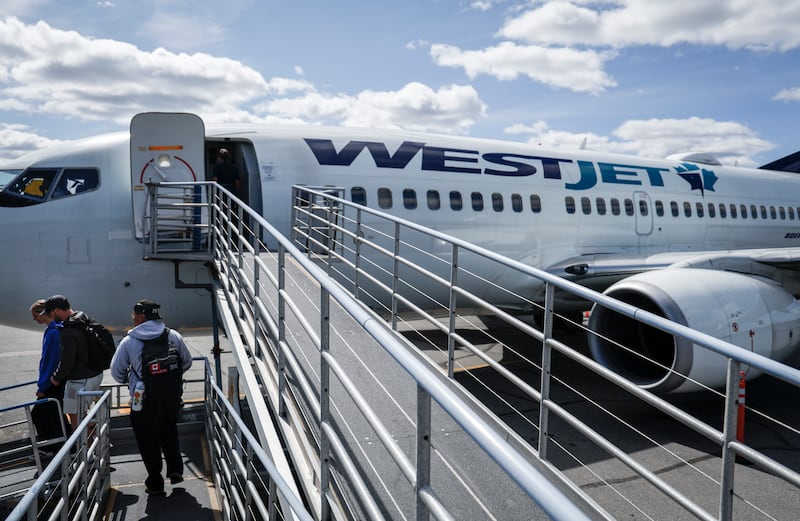
WestJet told CTV News that while the suspension is welcome, “additional efforts will be needed to deliver more meaningful relief and support a broader shift in costs.”
A spokesperson for the Calgary-based airline explained the tax relief represents less than five per cent of the amount jet fuel has increased for domestic flights since the start of the Middle East conflict.
On top of increased ticket prices, new fuel surcharges have also been frustrating customers. Porter was the only airline to reference those in its response, adding that they won’t be removed until fuel costs return to pre-war pricing.
Van Teunenbroek says the surcharge “represents a very small percentage of purchases,” since it is only in place for customers redeeming VIPorter loyalty program rewards.
“We will continue to monitor the situation closely,” she wrote.
CTV News also reached out to Air Transat, with a spokesperson responding Wednesday that the airline won’t benefit from the fuel tax cut.
“International flights are not subject to the federal excise tax, and Air Transat only operates international flights – with a few exceptions for connection purposes,” Alex-Anne Carrier wrote.
The estimated cost of the government’s tax suspension program is $2.4 billion.

