A former Bank of Canada governor is predicting Canada has about a 30 per cent chance of falling into a recession, amid growing global economic pressures.
The ongoing war in the Middle East — with blockades in the Strait of Hormuz and damage to production facilities — is taking a striking toll on the global economy, sending fuel prices soaring and risking a global energy crisis.
The International Monetary Fund, meanwhile, issued a stark warning this week that the global economy could come close to experiencing a recession if the conflict in the Middle East persists, writing in its latest world economic outlook that “the downside risks are tremendous.”
Stephen Poloz — who is now a special adviser at Osler, Hoskins and Harcourt — said growth in Canada is only at about one per cent, and the economy is still “digesting” U.S. President Donald Trump’s tariff regime.
“It’s not about somehow avoiding all that,” Poloz told CTV Question Period host Vassy Kapelos in an interview airing Sunday. “Then on top of that, we’ve got this oil shock.”
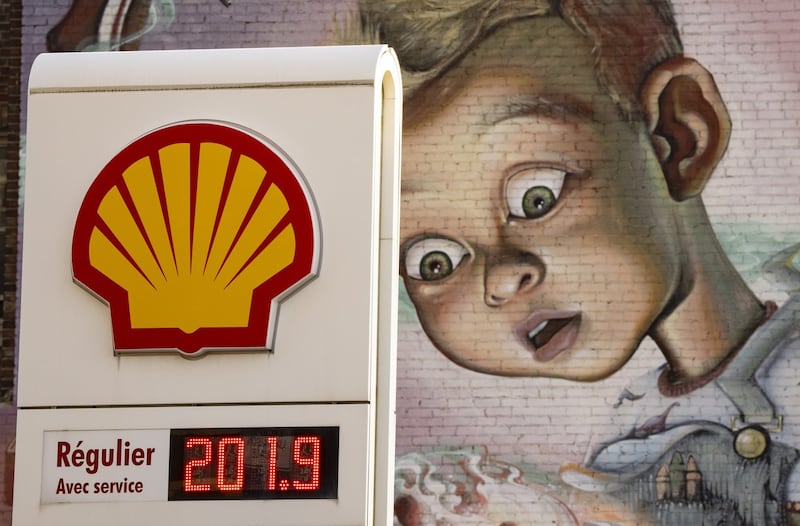
“Can we do some offsets? Like, for example, the government changes the tax structure on gasoline. That’s a mitigant, a short-term kind of offset,” he added. “But really, for the Trump tariffs, what we need is to find replacements, as opposed to offsets.”
He pointed to expanding the conventional energy sector and boosting the homegrown defence industry as examples of potentially effective offsets.
The IMF in its outlook lays out its base, adverse and severe economic scenarios. Poloz said while it appears the global economy is currently veering into adverse territory, it’s possible it eventually returns to base if the conflict in the Middle East winds down soon.
“Canada may get a little bit luckier than others, because we’re a big producer and net exporter of oil,” Poloz added. “That doesn’t mean we can just suddenly walk away and not have a recession with everybody else, but it means it’s mitigated by the revenue flows from the oil.”
“But within Canada,” he added, “we’d be a case with our head in the oven and our feet in the freezer, (with) very big divergences across sectors, households versus companies, regions, etc.”
The Liberals, meanwhile, have pointed to other recent data from the IMF, forecasting that Canada will be the second-fastest growing economy in the G7 by next year. Speaking to reporters on Parliament Hill this week, Finance Minister Francois-Philippe Champagne called it reason to “celebrate a bit.”
In an interview with CTV Question Period this week, Secretary of State (CRA and Financial Institutions) Wayne Long also cited the data and said the government is focused on growing the economy. He left open the possibility of other measures to address affordability, when asked by Kapelos if the federal government is prepared to do more to help Canadians.
You can watch former Bank of Canada governor Stephen Poloz’s full interview on CTV Question Period Sunday at 11 a.m. ET.

