At a produce market in downtown Toronto, shoppers told CTV News they continue to feel the pinch from rising food prices.
“It sucks,” said Shane Walters. “You just have to be a lot more selective. You have to plan a lot more with regards to what you want to buy.”
In its latest inflation report, Statistics Canada noted the price of fresh vegetables is up 7.8 per cent — the largest year-over-year increase since August 2023.
“Everything has gone up in price. Absolutely everything,” another person told CTV News outside the market. “It’s onerous.”
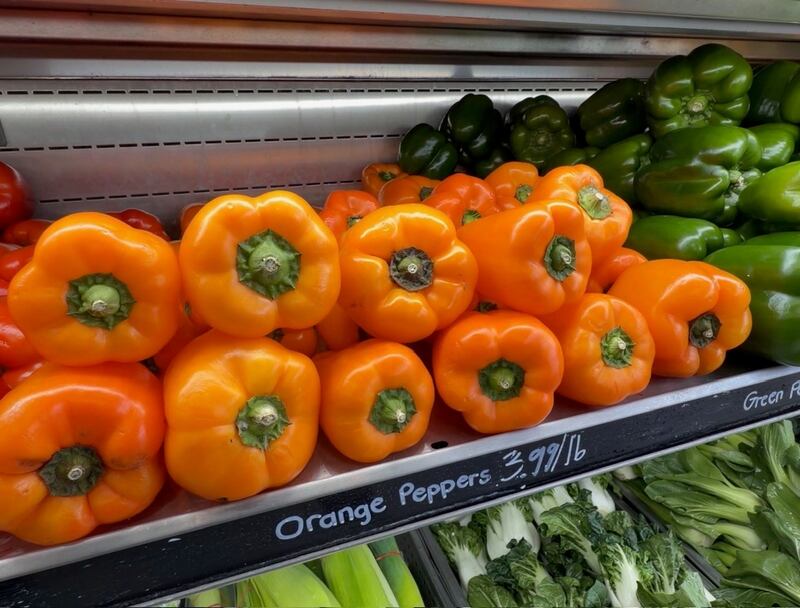
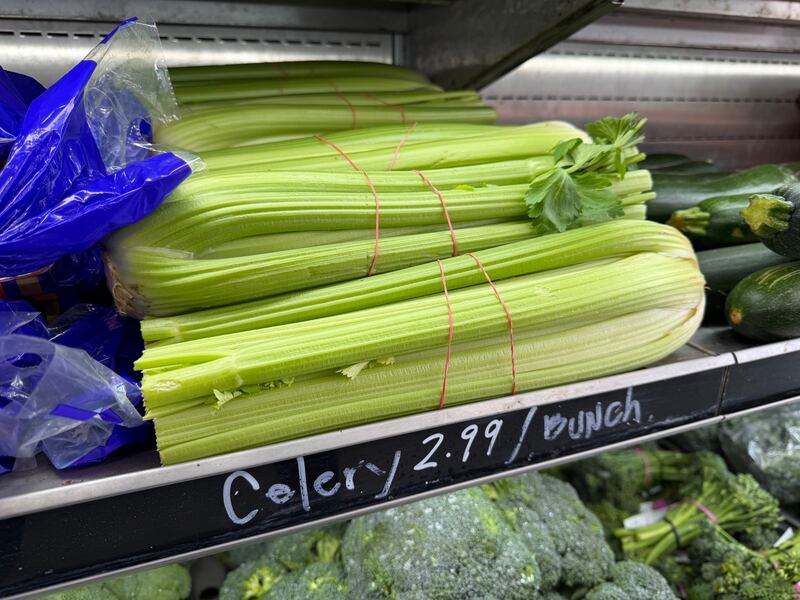
The agency noted cucumbers, peppers, and celery, in particular, have spiked.
“There’s been some production difficulties in some supplying countries for some produce,” says Pedro Antunes, chief economist at Signal49 Research.
He says food bought from stores was up 4.1 per cent in February, while it’s up another 4.4 per cent in March.
“We’re not seeing that component of inflation coming down.”
- READ MORE: Statistics Canada reports inflation data amid ongoing war in Iran
- READ MORE: Inflation rate jumps to 2.4 per cent as fuel prices surge
He says every household is affected but those with lower incomes are particularly feeling it, because a larger share of their budget goes into food.
Food prices could also continue to face upward pressure because of the ongoing closure and blockade of the Strait of Hormuz. Fertilizer shipments from Gulf states cannot get out and farmers are warning it could drive up costs.
Prices for food at restaurants were also up 3.2 per cent in March, compared to a year ago.
Overall inflation in March came in at a relatively modest 2.4 per cent, driven up largely by the sudden, surging energy costs.
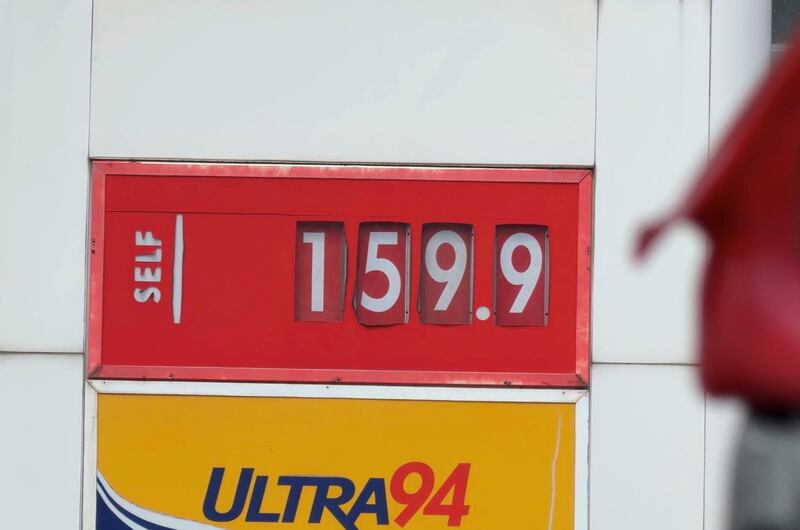
Gas prices across the country fell Monday, after the federal government temporarily cut its 10-cent-per-litre excise tax on gasoline and four-cent-per-litre tax on diesel, though experts are uncertain how long the lower pump price will last. At some Toronto stations, gas fell below $1.60.
Chief petroleum analyst Roger McKnight of En-Pro told CTV News it depends on what happens next in the Middle East.
- READ MORE: ‘It’s an energy price shock’: Canada’s inflation rate to get worse, economists say
- READ MORE: Inflation jumps on Iran war shock but few signs yet of spreading price hikes
“I don’t have a lot of confidence it will stick for an extended period of time,” he said.
“If the Strait gets opened the prices will stay low and go lower. If it closes, this will be a very temporary saving for consumers and prices will go right back to where they were before.”
Higher transportation costs will also ripple through the economy and show up in the price of everything.
“Groceries are very sensitive to increases in transportation costs, and fresh fruits and vegetables is where that will show up first, because they are being transported on a short timeline,” says D. T. Cochrane, a senior economist with the Canadian Labour Congress.
As for Walters, he says he’ll continue to be careful with how he spends his money at the produce market and grocery store.
“Sometimes you have to make the decision on choosing one item over another,” he says. “All you can do it hope is does get better over time.”

