


The federal and Alberta governments are likely to announce Friday they’ve hashed out a deal on industrial carbon pricing, a critical piece of the puzzle in their memorandum of understanding to get a pipeline to the West Coast built, sources confirm to CTV News.
They also say Canada and Alberta are working around the idea of setting the $130-a-tonne price by 2040, as opposed to 2030.
Twenty-thirty was considered a “sweet spot” for the $130 price because it is viewed as the threshold to kickstart massive decarbonization projects and help Canada meet targets set out in the Emissions Reduction Plan.
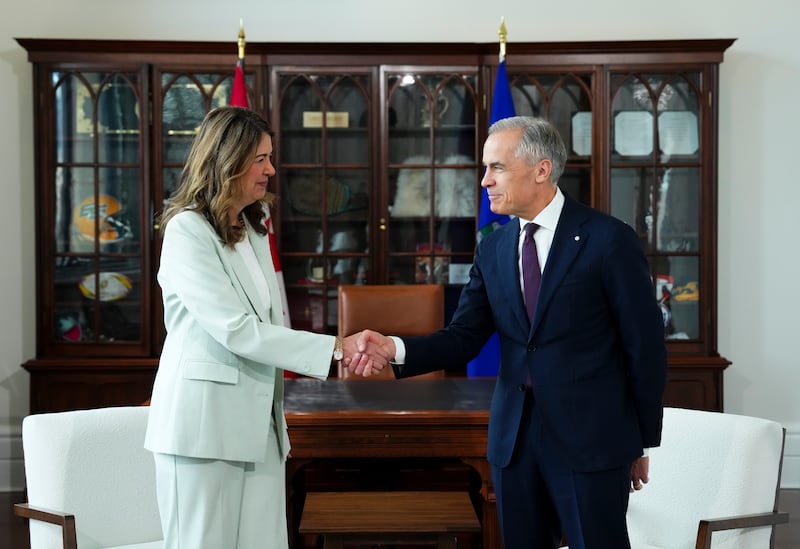
In November, Prime Minister Mark Carney and Alberta Premier Danielle Smith inked an energy co-operation agreement, which outlined the conditions that need to be met for a new oil pipeline to the Pacific Coast to proceed.
The memorandum of understanding (MOU) laid out deadlines by which the two parties need to agree on certain issues, including on an industrial carbon price, specifically stating Alberta’s system “will ramp up to a minimum effective credit price of $130 per tonne.”
They’re now six weeks past a self-imposed April 1 deadline to hash out a target date by which Alberta must meet the $130-per-tonne industrial carbon price and finalize the carbon capture project backed by the Pathways Alliance.
Sources say Carney is presenting the broad strokes of the agreement to his cabinet in a virtual meeting Wednesday.
News the federal and provincial governments had reached a deal on the industrial carbon price was first reported by the Calgary Herald and Global.
In an interview with CTV Question Period in March, Environment and Climate Change Minister Julie Dabrusin would not commit — when pressed several times by host Vassy Kapelos — to the 2030 target date.
Ahead of a meeting with Carney in Ottawa last week, Smith told reporters that Canadians in her province and industry stakeholders are “getting a bit impatient” when it comes to plans to get major projects moving.
“If we’re going to move forward with that MOU, I hope it happens in the next number of days,” she said.
Later that day, Smith said she was “much more confident that this will be completed,” and that she hoped to have something to announce “very, very soon.”
The federal government also announced late last week it plans to change key pieces of environmental law to make building a pipeline to the West Coast, as well as other energy projects, easier and faster.
Speaking to reporters following an announcement on Prince Edward Island Wednesday, Industry Minister Melanie Joly was asked about criticisms of that announcement. In response, she said the federal government has implemented a slate of measures to protect the environment, specifically pointing to the pledge to protect 30 per cent of Canada’s land and waters by 2030, and investments in renewable energy.
Industry source says still more to negotiate
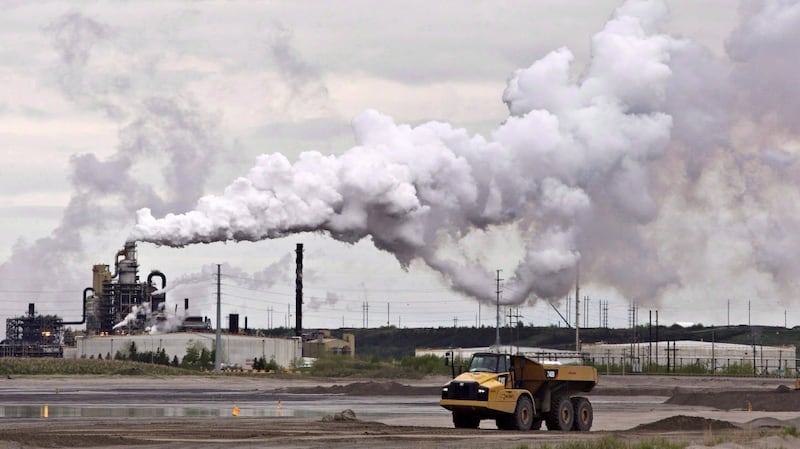
An industry source, meanwhile, tell CTV News that energy companies are less concerned with the specifics of the Canada-Alberta deal than they are the negotiations that will take place afterward, namely around a carbon capture project in the oil sands called The Pathways Project.
Earlier this month, the companies behind the Pathways Project, now known as the Oil Sands Alliance, wrote in a press release that “the pace of change has been too slow,” and urged the federal and provincial governments to “urgently reform their regulatory and fiscal frameworks.”
Smith also pointed to the negotiations with Pathways and the need to move quickly during her visit to Ottawa last week.
“The discussions with the Pathways group will continue after that, and I hope they don’t take too long, because Pathways also needs to have the certainty so that they can go to their boards of directors and start planning for how we’re going to increase production,” Smith said last week. “So, I would say that this framework is pretty essential before we begin that conversation.”
An agreement on the industrial carbon price is essential before negotiations with Pathways can move forward. Those conversations are expected to happen while Carney and Alberta navigate the specifics of approving a potential pipeline, namely to find a private backer for it, the industry source says, adding whatever is announced on the industrial carbon price is a step forward but there is still a lot of uncertainty.
With files from CTV News chief political correspondent Vassy Kapelos and CTV News’ Rachel Aiello

