When 47-year-old Francesco Colosimo suffered a seizure in early May 2025, he received devastating news: he had glioblastoma, one of the most aggressive forms of brain cancer.
According to the Brain Tumour Foundation of Canada, glioblastoma is the most common primary brain tumour in men, affecting nearly five in every 100,000 people.
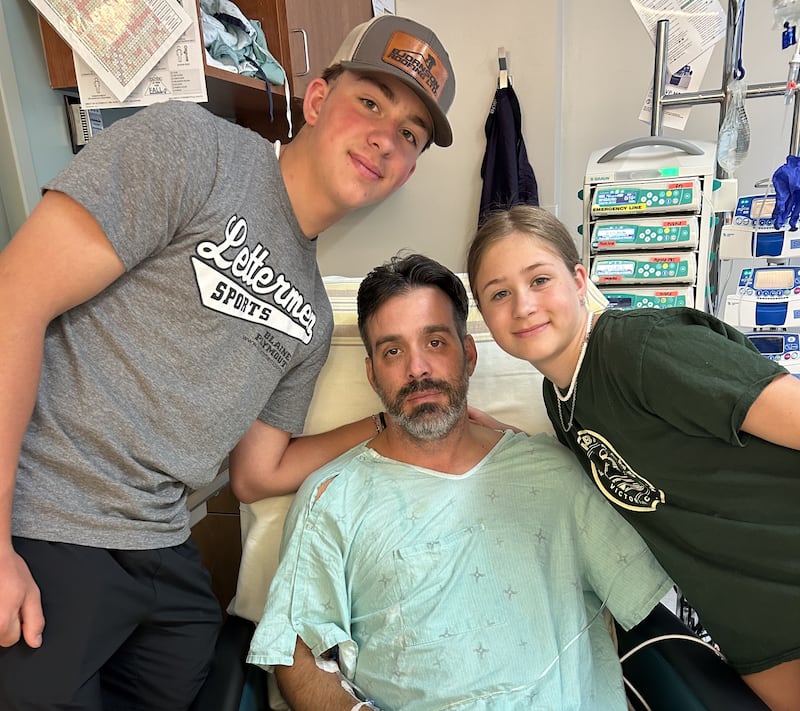
Despite undergoing surgery, radiation, and chemotherapy, Colosimo’s stage four cancer continued to worsen.
“The medications and the treatment protocols were really aggressive on the brain,” said Colosimo. “It was horrific.”
“My language skills tanked,” he said. “By late October, I was in a wheelchair which was really all I could do to move.”
Throughout November and December, his condition had declined so severely that doctors told him he had just three-to-six months left to live.
“We got to the point where we were looking at some of the medical processes for ‘it might be time to end this process.’ It wasn’t productive for my family,” he said.
But his wife, Shauna, refused to give up hope. After researching alternative treatments, she discovered Optune Gio, a portable, wearable device designed to slow or stop glioblastoma cancer cell division. The device received approval from Health Canada in 2022.
Colosimo began using the device alongside the drug Avastin and soon noticed dramatic improvements.
“I started to feel better,” he said. “It was a progressive evolution in how we were doing, the ability to talk, walk, be around friends, understand where we were going.”
“It’s been progressively beneficial to the point where I would say I have improved to 90 per cent.”
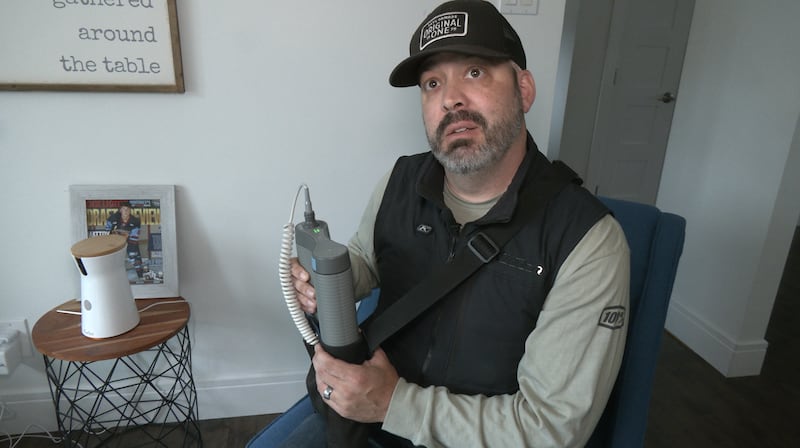
Large cost involved
British Columbia began covering the cost of the Optune Gio device in February and remains the only province in Canada to provide funding.
Colosimo lives in Manitoba, and as a result, he’s been paying more than $28,000 a month to use the treatment.
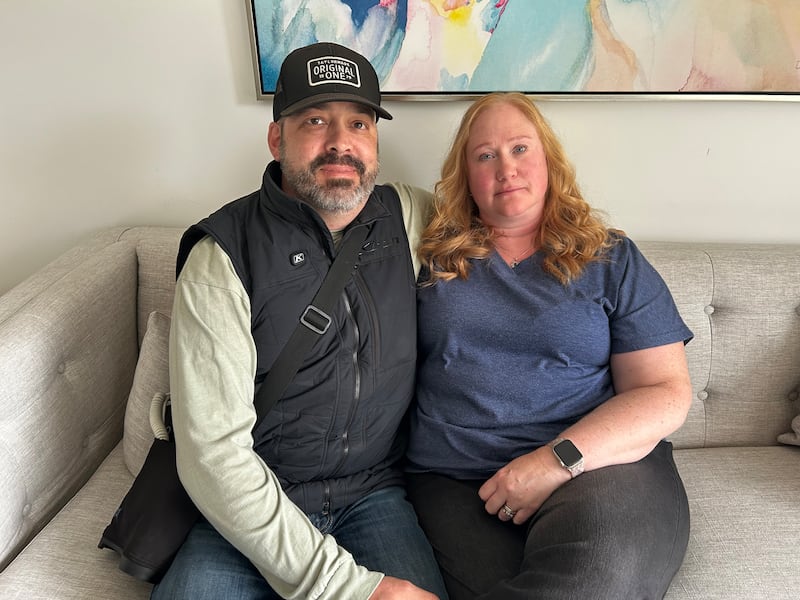
Shauna, a radiation therapist from Winnipeg, said they have received significant support through donations to help cover ongoing monthly costs, adding that accessing the treatment would have been extremely difficult without that financial assistance.
“If it was covered, and it was given as an option for treatment in the beginning, we could’ve started it right when he was diagnosed,” she said.
“Maybe it would have changed things, maybe it would have helped to control the swelling because it developed into something that caused such terrible side effects.”
Shauna believes broader access to treatments like Optune Gio could dramatically improve outcomes for many families facing similar diagnoses.
Shauna and Francesco are now urging the Manitoba government to help fund the device for patients in the province.
‘Significant, emotional strain’
In a written statement, Uzoma Asagwara said the Optune Gio device is currently under review in Manitoba as a new medical technology.
“These reviews are led by CancerCare Manitoba, where clinical experts assess the evidence, patient outcomes, and how treatments fit within the broader cancer care system,” Asagwara said in a statement.
“British Columbia is the first and only jurisdiction covering this device. Other jurisdictions across the country, including Manitoba, are now working through similar review processes.”
“We remain focused on making sure Manitobans have access to safe and effective care, while continuing to carefully evaluate new and emerging treatments as evidence evolves,” the statement reads in part.
Angeline Webb with the Canadian Cancer Society says cancer drugs and treatment devices are essential for improving patient outcomes but says Canada’s coverage creates “inequities and limits access.”
“The Canadian Cancer Society supports systems that provide equitable access to cancer drugs and treatment for all Canadians without financial hardship, regardless of where they live and where the treatment is administered,” Webb, the senior manager of advocacy with the organization, said in a statement.
“These expenses can add to the already overwhelming burden of a cancer experience.”
Hope for the future
For now, Francesco is focused on taking life one day at a time.
Most importantly, he says, he’s grateful for the extra time he’s been given with Shauna and their two children.
“I shouldn’t even be here,” he said. “So, the ability to go and talk to your friends and family and my kids, and we can spend time together and just be there, it’s a win.”
He also hopes sharing his story will help others learn about treatment options they may not know exist.
“If I can help you in any way, if my wife can help you in any way with passing on information or getting you a direction to go, we will be happy to do whatever we can,” he said.

