WINNIPEG - Ian Heather is always surprised to see how high prices are when he goes to the grocery store.
“When you walk out of the store with half a bag of groceries and it’s close to $100, you say, ‘oh wow,’” he said.
Heather has resorted to just buying the essentials.
“There’s not much you can do about it if you want the food and you have to eat nutritiously,” he said.
Randy Van Caeyzeele and his mother are noticing the same thing.
“I just bought some pop in the last couple of weeks, and I noticed that’s gone (up) like double in price,” he said.
New figures from Statistics Canada show Manitoba had the third-highest inflation rate among provinces in May compared to April.
Manitoba targeting shrinkflation
In response to concerns about affordability, the Manitoba government has released a study outlining ways to help lower grocery costs.
The provincial NDP wants to adopt a new law targeting shrinkflation.
Shrinkflation is where a product’s size decreases, but consumers are charged the same price.
The province says it will require the unit price per item to be shown at the grocery store, so consumers know what they are getting for how much.
Manitoba would join Quebec, which is the only province in Canada to mandate unit pricing by law.
Finance Minister Adrien Sala says possible legislation would require grocers to establish standardized unit pricing, so consumers can make more informed purchasing decisions.
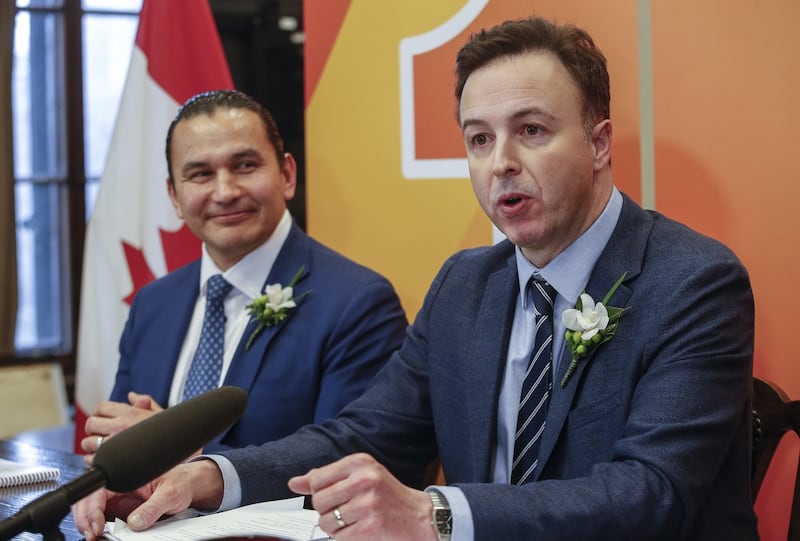
“We’ve been able to identify more ways to save you money at the grocery store and we are taking action to bring in these measures right away,” Sala said at a press conference Monday.
The government also announced $2.5 million for a new transformation centre, where leftover food from farms and grocery stores will be sent to Harvest Manitoba to reduce waste.
There is also support for a new grocery store in downtown Winnipeg to increase access to affordable food.
The release of the report comes a week before the PST (provincial sales tax) is removed from groceries in Manitoba, which will bring some relief for consumers.
But not everyone is convinced the recommendations will make a difference.
‘Beyond our control’
Grocery store owner Munther Zeid says measures like unit pricing place more responsibility on retailers rather than addressing the root causes of higher prices.
“Adding a few more lines on a tag isn’t going to bring prices down, and most of the time, people don’t have time to read that. They’re just walking by, and they see a price,” Zeid said, who owns FoodFare in Winnipeg.
“It won’t change their mind on buying.”
Zeid feels the government is missing the mark and is bringing even more work to retailers like himself.
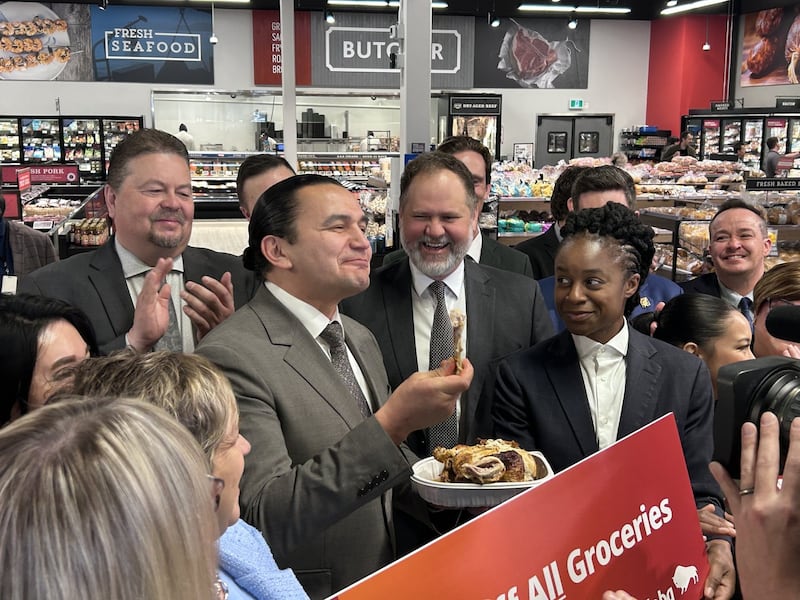
“It seems like the government keeps coming back to the retailer and going, ‘this is the way that we’re going to lower prices,’ well it’s not,” he said.
“Go after the wholesalers, go after the people that make it. That’s where you’re going to get lower prices. Don’t keep coming back to me and have me do more and more work. That’s really not going to drive prices down.”
The report comes just over a week after Ottawa unveiled a multibillion-dollar national food strategy aimed at making groceries more affordable.
The Liberal plan is intended to change the way food is bought, sold, transported and distributed in Canada to better support farmers, small independent players and consumers.
The government says the strategy is backed by more than $3 billion in investments over 10 years.
Gary Sands with the Canadian Federation of Independent Grocers (CFIG) says there are similarities between the federal and provincial approaches, but questions whether consumers will see relief anytime soon.
“By the time they come on stream, will they have lowered prices? That’s a hard prediction to make. It’s not one I would make,” he said.
“We wish there was something that we could do to reduce prices, to bring them down, but the fact is, there isn’t. A lot of these things are beyond our control.”

