Shipping prices are soaring as companies rush to get ahead of a new round of U.S. tariffs that are expected towards the end of July.
“Shippers are trying to get ahead of the curve and ship their goods sooner, so they don’t have to pay the higher tariffs,” Freight Management Association of Canada president John Corey told CTV’s Your Morning on Tuesday. “This creates a bit of a bulge in demand and it’s making prices go up.”
Fuel price increases and the months-long closure of the Strait of Hormuz due to the Iran war are also contributing to rising maritime shipping costs, which are currently at a four-year high.
“There are [also] other factors that are involved,” Corey explained from Buckhorn, Ont., northeast of Toronto.
“Shipping companies, the operators of the ships, have sort of selectively reduced their capacity to ensure that the costs remain high.”
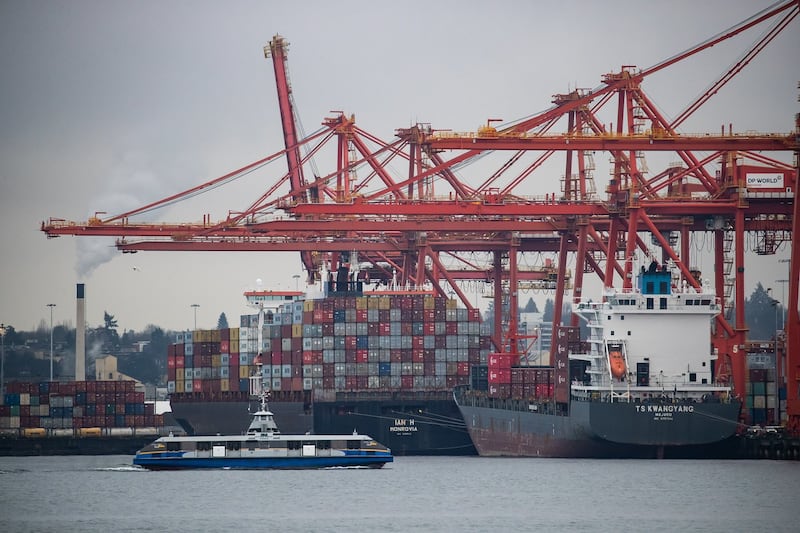
According to the Platts Container Index, global shipping rates at the end of June were the most expensive they’ve been since April 2022, when pandemic-related supply chain issues peaked. Data from the online logistics platform Freightos shows that the average price to send a 40-foot container from East Asia to North America’s west coast surged by 120 per cent over the past six weeks to reach US$6,200.
Meanwhile, the U.S. is widely expected to impose a fresh round of international tariffs after the current global duties expire on July 24. From running shoes to lawn mowers and toys, Corey says anything that arrives in Canada via a shipping container could see price increases in the near future.
“We’re starting to see the shipping companies obviously passing the fuel price on through fuel surcharges onto consumers,” Corey said. “If this situation continues, obviously it is going to start trickling down and we are going to pay higher prices for just about everything we buy now.”
With files from The Canadian Press

