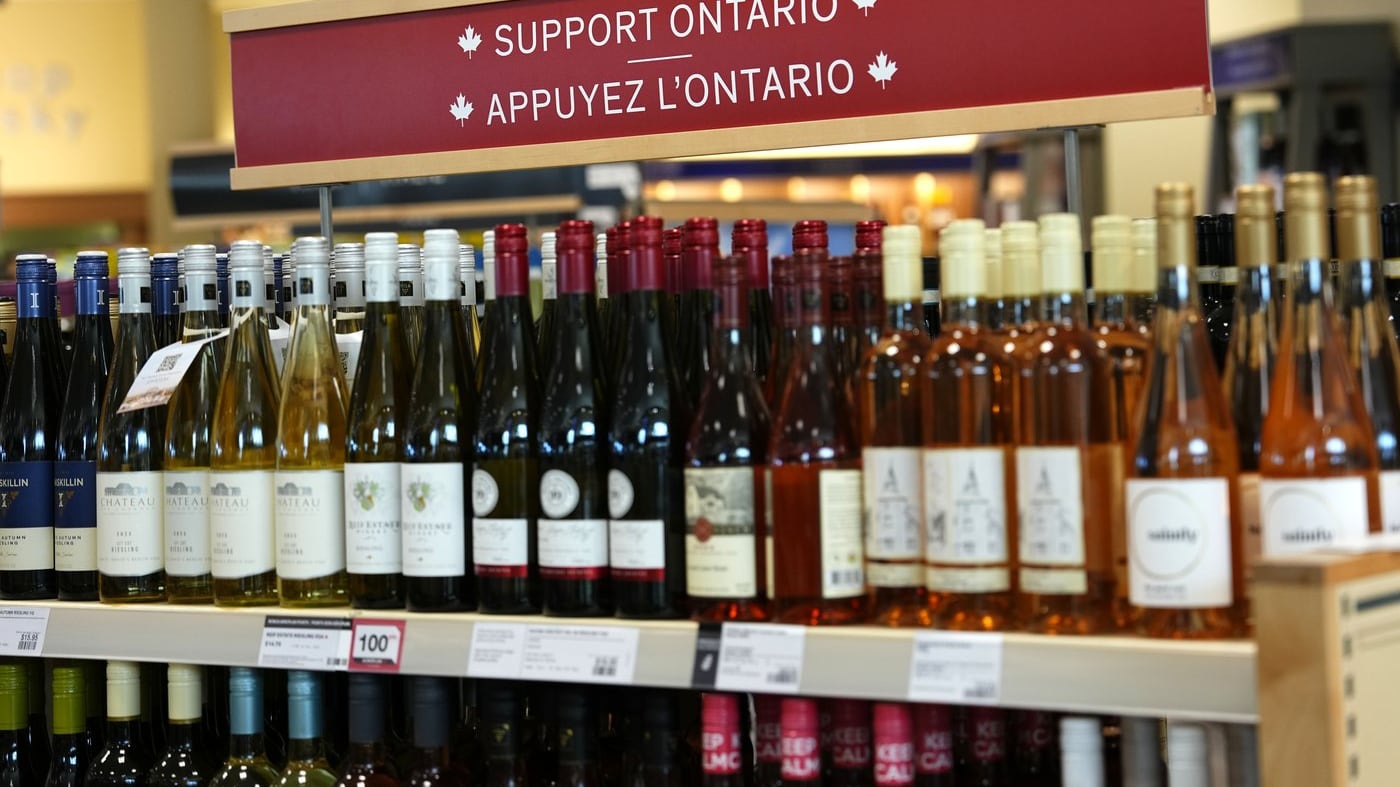
OTTAWA — Talks between Canada and the United States are intensifying as the clock ticks down toward a midnight deadline that could see a steep 50 per cent tariff imposed on a range of Canadian exports.
If the two sides aren’t able to come to an agreement, goods including Canadian booze, cement, honey and hockey sticks will all face new duties at the U.S. border as of Aug. 19.
The varied collection represents roughly five per cent of all of Canada’s exports to the United States, to a value of roughly $28 billion annually.
The tariffs themselves are grouped by three executive orders loosely themed around motor vehicles, dairy and alcohol. But the content of each of U.S. President Donald Trump’s actual tariff lists are broader and not necessarily tied to those items.
Here’s a broad look at what’s in the Trump administration’s sights as negotiations enter the eleventh hour.
The dairy order:
Milk and cream
Whey and milk protein concentrates, including casein
Bones and horn-cones
Lactose, glucose, fructose and blended syrups
Sugars, cane molasses
Non-alcoholic beer
Essential oils of peppermint
The alcohol order:
Beer, wine, liquor, cider and other fermented beverages
Essential oils of grapefruit
Densified wood blocks, plates, strips
Some wooden tableware
Wood marquetry and inlaid wood, wooden articles of furniture
Skewers and ice cream sticks, as well as bamboo products
Basketwork and other articles
Grease-proof paper
Ice hockey and field hockey equipment, other than balls and skates
The motor vehicles order:
Natural honey
Down feathers
Tortoise shell, whalebone, horns, antlers and other animal parts
Tulips and other dormant flower buds, live orchids and mushroom spawn, tubers, mosses and lichen
Vegetable, tree and shrub seeds
A range of other vegetation and parts
Perfumes containing alcohol and plant parts used in perfume
Various essential oils
Makeup preparations
Doughs and other bakers’ mixes
Bitters
Synthetic paints and varnishes, printer inks
Cements
Candles
Various fatty acids
Vinyl floor tiles
Non-plastic office supplies
Plastic furniture fittings
Household and toilet articles, tableware, kitchenware
Dog leashes and saddles
Luggage and other cases, such as for musical instruments
Various fibreboard, laminate and plywood sheets
Various paper, wallpaper, binders, paper pulp products
Silk, yarn, carpet and other various textiles
T-shirts, sweaters, trousers, dresses, gloves, coats and other clothing items of various materials
Wigs, false beards, eyebrows of synthetic textile materials
Glass packing materials
Non-industrial diamonds, not set
Various gold, silver and imitation jewelry
A range of power tools and equipment
Armoured safes, locks and lockboxes
Brewery machinery
Refrigerating or freezing furniture and equipment
Vacuums
Smartphones and other recording devices
Devices containing semiconductors for data transmission and storage
Cameras and projectors
Radar equipment and antennae, optical fibre cables
Motorcycles fitted with an engine capacity of 800 cc or greater
Floating docks, vessels and rafts
Furniture seats and parts made of wood, plastic and metal with a range of outlined uses and exemptions
Chandeliers and lamps
Toys, puzzles and models
Video game consoles
Christmas and other festival decorations
Ice skates, golf and gym equipment
Swimming pools, wading pools and parts
Fishing rods and parts
Paintings, drawings, collages, sculptures of various ages
Postage stamps and other collectors’ pieces
Antiques of an age exceeding 100 years but not exceeding 250 years
This report by The Canadian Press was first published Aug. 18, 2026.

