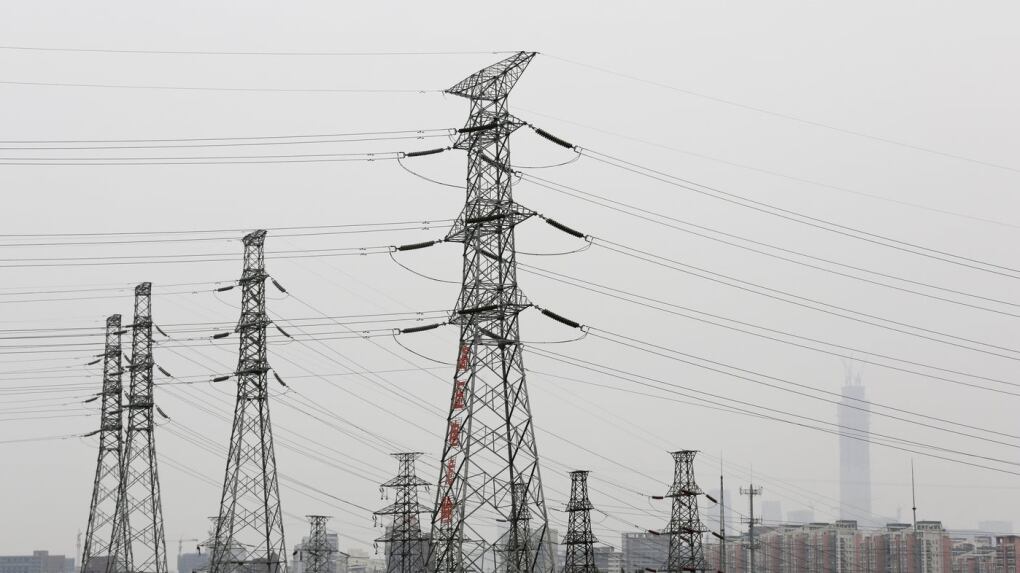
Rising demand for onsite power among businesses struggling to secure capacity from strained American utilities is propelling orders for larger generation blocks at Capstone Energy+ CEO Vince Canino said in an interview with Reuters.
As grid constraints grow, businesses are increasingly viewing onsite generation as a way to secure power for expansion rather than simply a means of reducing energy costs.
Capstone, which provides microturbine and behind-the-meter power systems for commercial and industrial customers, is seeing demand from sectors including healthcare and is pursuing data-center projects.
“Today’s discussions are truly about energy certainty,” Canino said.
Capstone is now seeing customers buy larger blocks of power, including 3, 4 and 6-megawatt systems, compared with smaller projects that were more typical in the past, Canino said.
A 1-megawatt power system can typically supply electricity to roughly 750-1,000 homes at a given time, depending on average household demand and location.
Customers are also moving faster to secure onsite power as they face delays in obtaining utility capacity.
“I think today a lot of those cycles are shrinking because it’s no longer about, well, is this a really good investment and what’s the return? It’s more about I need power and I’ve got to make sure I have it on demand,” Canino said.
Capstone recently installed a 2 MW combined heat and power system at Scripps Mercy Hospital in San Diego, providing electricity and backup power during outages.
The company has deployed its technology at small enterprise data centers but has yet to deploy it at a large-scale data center, Canino said.
(Reporting by Arunima Kumar in Bengaluru; Editing by Devika Syamnath)

