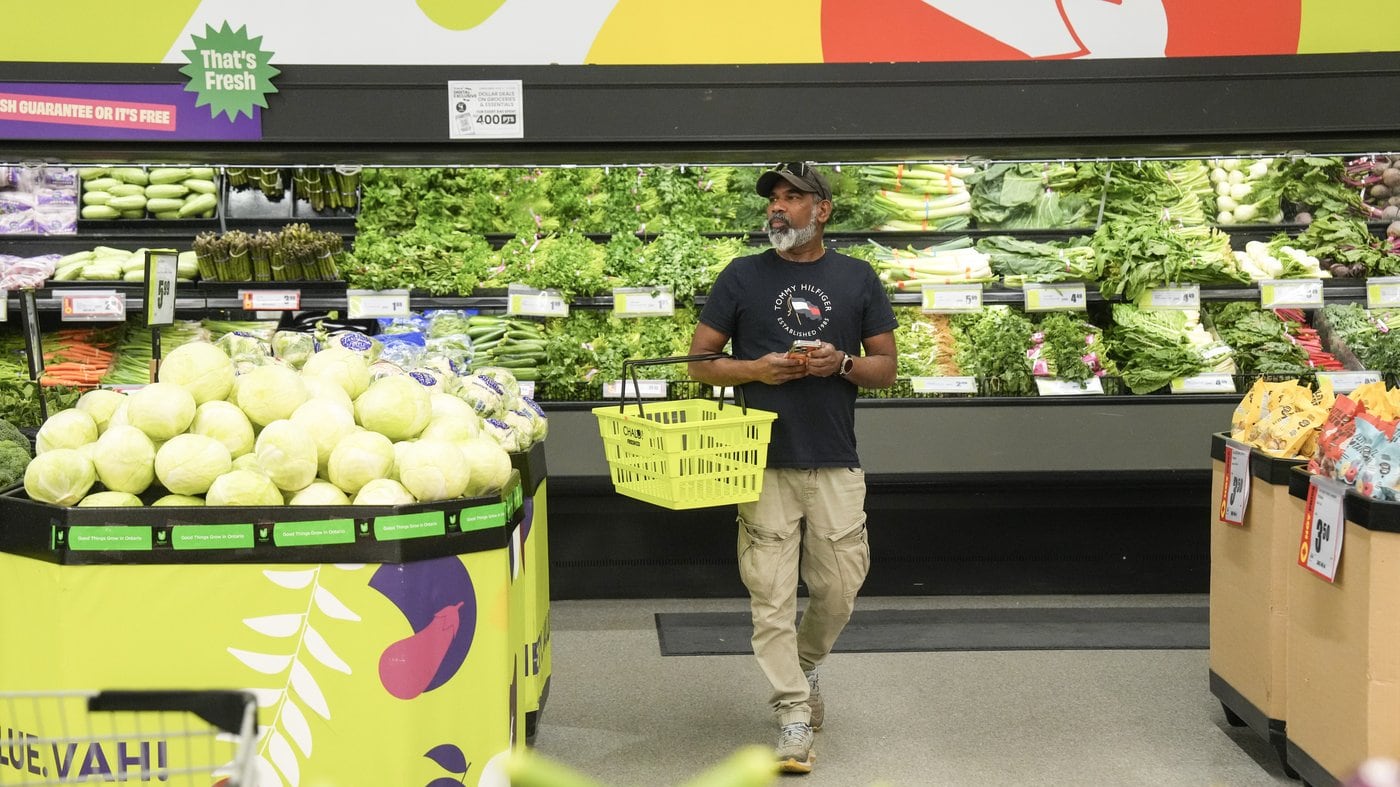
Canadians could soon see closer scrutiny of how grocery prices are set, as the federal competition bureau prepares to gather information on pricing policies in the retail food sector.
The bureau, whose task is to protect and promote competition for the benefit for Canadian consumers and businesses, says the move is part of its ongoing examination of Canada’s food supply chain and will build on recommendations from its 2023 retail grocery market study.
Seeking data on pricing
The bureau is expected to publish a call for information on the morning of Sept. 28, asking for input on pricing policies used in retail grocery.
It says the information will help support its broader work examining competition throughout the food supply chain.
The agency’s 2023 study concluded that stronger competition could help improve outcomes for consumers, including through lower prices and greater innovation.
Broader look at grocery competition
The move comes as the bureau continues to examine competition in the grocery sector, including areas such as production, processing, transportation and distribution.
Its work also oversees how products are priced on store shelves and how consumers interact with pricing through tools such as loyalty programs.
The bureau has also been examining practices including algorithmic pricing, shrinkflation or lowering a product’s quality while maintaining or raising its price, and skimpflation which happens when a product’s quality is reduced while its price remains unchanged.

